

Masterbatch allows the economical colouring of raw polymers in the plastics production process. Colour masterbatch or colour concentrate is a granule used to colour thermoplastics. It consists of one or more colourants and a carrier resin specific to the polymer.
Masterbatches are highly concentrated, have high release rates, and can fit one ton of natural polymer into a 25 kg bag. Masterbatches dilute nature and provide higher accuracy in dosing expensive components.
Masterbatch solid crystals are solvent-free and tend to have a longer shelf life because the solvent in the polymer will not evaporate. They typically contain 40 percent to 65 percent additives, although the range can vary from 15 to 80 percent in some cases.
The main benefits of Masterbatch are:
Essentially, masterbatches allow for less complex addition via pellet-to-pellet mixing or addition in the extruder. No special dosing device is required for the smallest powder quantities. It also reduces the accuracy of addition required to achieve the same addition rate in the final product.
The use of additive masterbatch also improves product consistency and process stability through better dispersion.
Many additives are hazardous or degradable substances in their pure form. Masterbatches encapsulate the additive in a polymer resin or liquid. This encapsulation reduces or, in many cases, eliminates the hazardousness of the additive. It also eliminates numerous potential hazards of powder processing. These properties require less technical control and less personal protective equipment.
Masterbatch additives are cleaner as well as safer to handle. There is no pigment or other powdery additive to spread, spill or statically cling to surfaces. The result is a cleaner production area, less cross-contamination and potentially faster changeovers between different products.
Masterbatch can help prevent the additive from being exposed to moisture, temperature and ultraviolet rays during storage.
Research shows that incorporating antimicrobial technology is as simple as possible for customers and benefits from the comprehensive benefits of masterbatch concentrates.
Super engineering plastics offer exceptional performance, often on par with metals and more exotic materials. Compared to commodity plastics, these lightweight, customizable alternatives require a more complex and expensive manufacturing process. Testing and quality control are essential when significant manufacturing costs are involved.
Tests typically include:
A muffle furnace is ideal for processes such as ashing, which require very high but extremely precise and stable heat (potentially approaching 800-900 degrees).
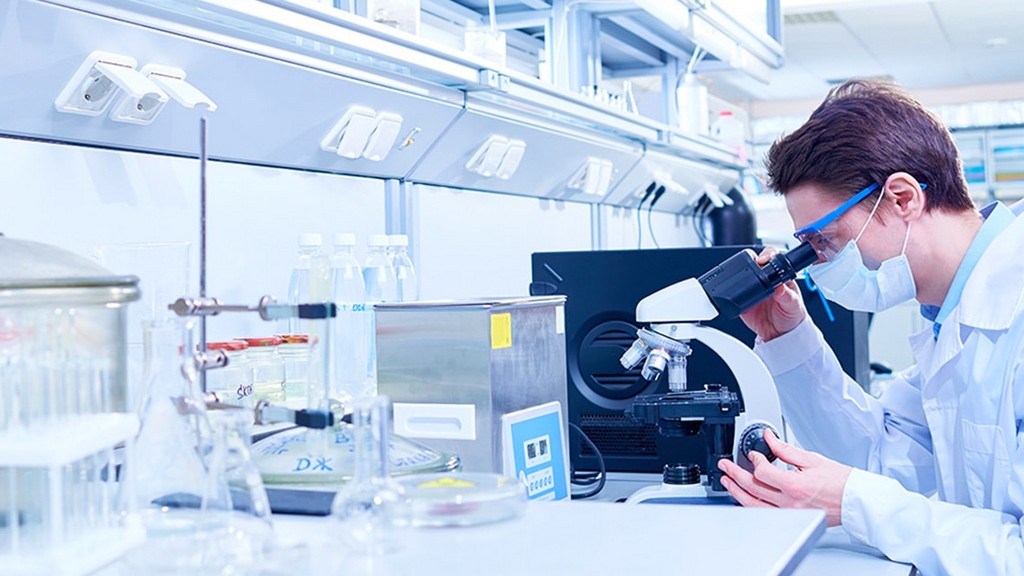
In masterbatch analysis, the raw polymer rarely looks or performs as a customer wants. From simple color changes to static control to life-saving flame retardancy, a finished super-engineered plastic often contains multiple additives. Working with raw additives is often undesirable. For example, batch sizing and precision are common challenges. In contrast, pre-compounded polymers are a much simpler alternative, but potentially slow, costly, and inflexible. Masterbatches provide a middle ground. Neither completely custom nor completely premixed, they allow for rapid customization and testing while avoiding restrictions on batch size or shelf life. However, masterbatches and final polymers both require careful analysis. Carrier materials can have undesirable effects on the finished plastic, so it is important to measure their content and detect byproducts that could degrade the finished product.
The use of muffle furnaces is common in masterbatch and additive analysis. Ash analysis from plastic combustion is usually performed at temperatures below 900 degrees. Muffle furnaces can comfortably maintain this temperature range, all in a cost-effective form that is versatile enough for a wide variety of other thermal processes. Current models have maximum temperatures from 1050 degrees (usually recommended for additive and masterbatch analysis) to 1900 degrees, and have equally high stability throughout the range. However, smaller models are generally recommended for ashing and similar procedures.
Among the numerous testing, measurement, analysis and evaluation studies carried out for businesses in various sectors, our organization also provides Masterbatch analysis (related to paint and color) services with its trained and expert staff and advanced technological equipment.
To get an appointment, to get more detailed information or to request an evaluation, you can ask us to fill in our form and reach you.

