
EN 17333-1 Characterization of Single-Component Foam - Part 1: Foam Flow Properties

EN 17333-1 Characterization of Single-Component Foam - Part 1: Foam Flow Properties

The European standard “EN 17333-1 Characterization of single-component foam - Part 1: Foam flow properties” describes test methods for evaluating the foam yield characteristics of moisture-cured, self-curing, or water-drying foams sprayed from single-pressure foam containers.
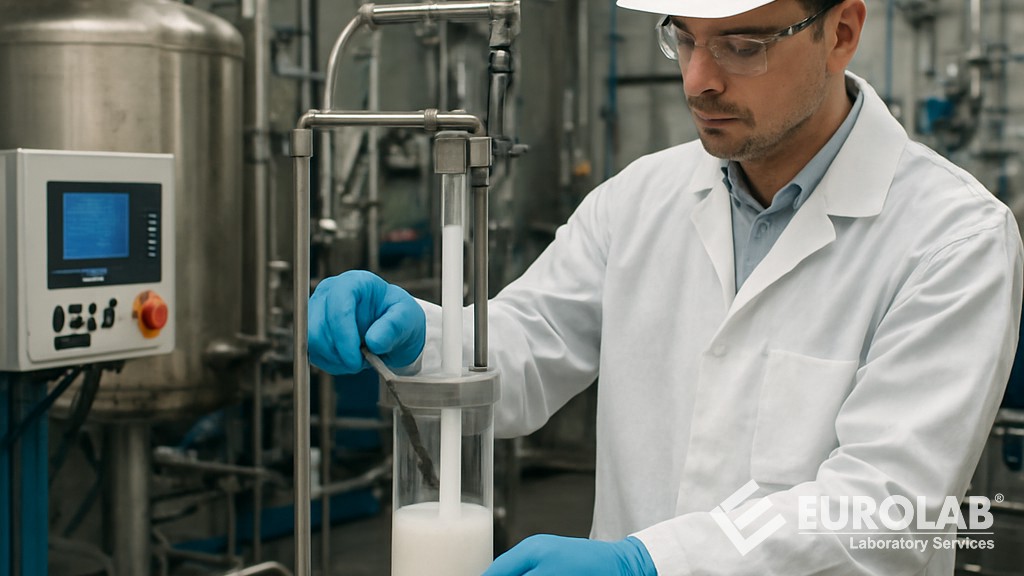
EN 17333-1 Characterization of Single-Component Foam - Part 1: Foam Flow Properties

This standard describes the following test methods:

  • Method 1 Apparent density and theoretical yield: Determining the apparent density of a single-component foam extruded at the joint and calculating the theoretical foam yield in meters per container. The foam is applied to a defined joint. The density is measured. The theoretical yield is calculated in meters per container.
  • Method 2 Actual yield of cured foam: Determining the actual yield of cured foam by considering possible voids within the foam structure. Measures the actual usable foam after curing. Takes into account internal voids or cavities.
  • Method 3 Free foam density: For identification purposes only, determining the free foam density of a cured single-component foam. It determines the density of the freely expanding foam. It is primarily used for identification, not performance.
  • Method 4 Total foam yield (water displacement): Determination of the total foam yield of the entire single-component foam container for moisture and self-curing foam measurable by water displacement. Measures the total foam volume using water displacement. Suitable for evaluating the full container output.

This standard defines controlled test conditions to ensure consistency:

  • Temperature: Approximately 23 degrees plus/minus 2 degrees
  • Relative humidity: 50% plus/minus 5%
  • Minimum sample size for accuracy

For the purposes of EN 17333-1, the terms and definitions given in EN 923 apply. Furthermore, single-component foam refers to moisture-curing or water-drying foam, as well as self-curing and self-activating foam sprayed from a single pressure foam can.

In short, the EN 17333-1 standard provides test methods for evaluating the foam yield characteristics of single-component foams. These foams are typically supplied in pressure vessels and are widely used in construction, insulation, and sealing applications.

This standard is part of a broader series of EN 17333 standards that focuses specifically on how efficiently the foam expands and performs after application.

The EN 17333-1 standard applies to:

  • Moisture-cured foams
  • Self-curing, activable foams
  • Water-drying foams
  • Products dispensed from single-pressure foam boxes

The primary objective of this standard is to provide consistent and repeatable test methods for measuring foam yield and density.

Single-component foam refers to ready-to-use foam systems that cure upon exposure to moisture or air, and are typically used for the following purposes:

  • Fill in the blank
  • Thermal insulation
  • Sealing of joints

Foam yield is a critical parameter that indicates the following:

  • The volume or length of foam that can be produced from a single container.
  • Product efficiency and cost effectiveness.

Single-component foam is a ready-to-use polyurethane foam contained in a pressurized can that expands after application. It does not need to be mixed with another component, hence the name single-component. It hardens by reacting with moisture in the air or on the surface, forming a rigid or semi-rigid foam structure.

Its basic features are as follows:

  • Single-component system (no mixing required)
  • It expands after application (filling gaps and spaces).
  • It hardens with moisture.
  • It provides thermal insulation, sound insulation, and airtightness.

However, the EN 17333-1 standard has certain limitations. For example, this standard does not cover safety requirements. Furthermore, users must comply with health regulations and environmental standards.

The EN 17333-1 standard is widely used in the following areas:

  • Construction industry:
  • Sealing gaps in windows, doors, pipes, and cables.
  • Filling cracks and gaps.
  • Wall and roof insulation
  • Automotive industry:
  • Closing the gaps
  • Noise and vibration reduction (NVH control)
  • Thermal insulation in vehicle body structures.
  • General use:
  • DIY repairs
  • Mounting and fastening elements

The EN 17333-1 standard is essential because it provides a common and reliable framework for evaluating the performance, particularly the efficiency (production volume), of single-component foams. Without such a standard, the industry faces inconsistencies, inefficiencies, and potential quality problems. This standard is considered important for the following reasons:

  • It ensures consistent measurement of foam yield: Different manufacturers may measure foam production in different ways. Some may report theoretical yield, others may report usable yield. This standard ensures the following by defining uniform test methods:
  • The results are comparable.
  • Measurements are repeatable.
  • The data is reliable.
  • It prevents misleading product claims: Foam products are often marketed based on how much they can produce. This standard ensures the following:
  • Transparent and honest product labeling.
  • Fair competition in the market
  • It supports quality control in production: For manufacturers, this standard is an important tool for:
  • Monitoring party consistency
  • Detection of production variations
  • Maintaining product quality.
  • Improves application reliability: In construction, sealing, and insulation applications, incorrect foam yield can lead to insufficient filling, poor insulation, or structural voids. By standardizing yield measurement, this standard helps ensure the following:
  • Predictable field performance
  • Better assembly quality.

In conclusion, the EN 17333-1 standard is a crucial standard for evaluating the performance of single-component foams. By defining precise and reproducible test methods, it ensures the following:

  • Reliable product performance.
  • Transparency in product claims.
  • Improving quality across the sector.

For many years, our organization, with its competent and experienced staff, has been understanding the needs of its clients, providing the advanced testing services they require, and assisting them in the establishment, implementation, and improvement of management systems. Within this framework, we also provide testing services in accordance with the EN 17333-1 standard.

WhatsApp

