SES N 3145 Copper Alloy Castings
Developed by Suzuki Motor Corporation under the standards for copper and non-ferrous materials, the “SES N 3145 Copper Alloy Castings” standard describes the requirements, specifications, and quality criteria for copper alloy castings used in various electrical applications in the automotive industry.
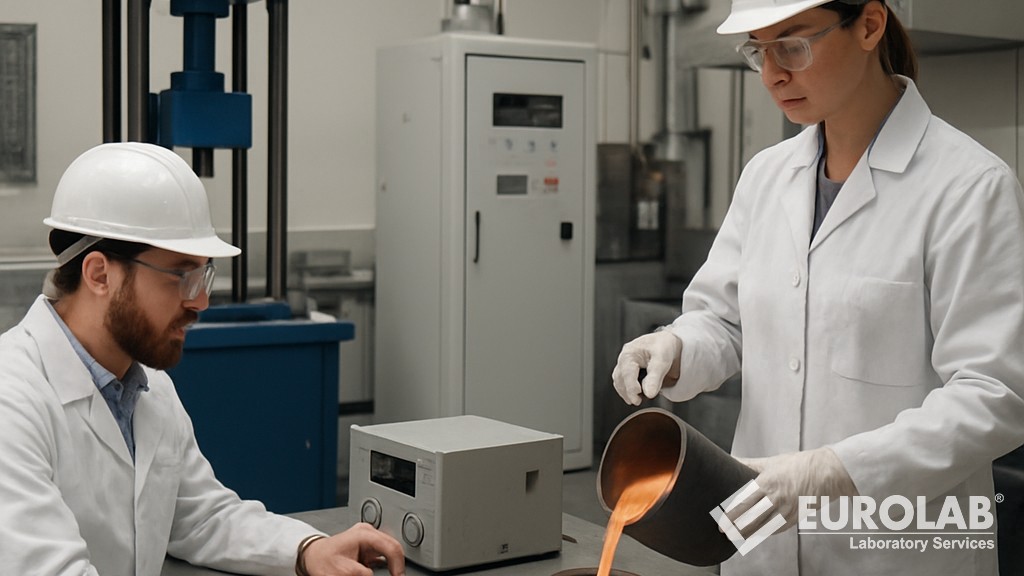
Copper alloy castings play a critical role in the automotive industry due to their excellent combination of mechanical, thermal, and electrical properties. These alloys are used in components requiring high wear resistance, corrosion resistance, thermal conductivity, and strength at high temperatures.
Copper alloys are generally classified as follows:
- Bronze alloys: Copper and tin-based alloys, sometimes containing small amounts of phosphorus, aluminum, or silicon.
- Brass alloys: Copper and zinc-based alloys, sometimes containing additions of lead or tin.
- Copper-nickel alloys: Used because of their excellent corrosion resistance.
- Aluminum bronzes: Copper alloys containing aluminum, providing high strength and wear resistance.
In the automotive industry, bronze and brass castings are dominant due to the balance between machinability and mechanical performance.
Copper alloys can be cast using a variety of methods suitable for automotive applications:
- Sand casting: Ideal for medium to large-sized components such as housings, bearing supports, and valve bodies. It allows for complex geometries but requires post-casting machining.
- Precision casting: Provides high dimensional accuracy and a smooth surface finish, used for smaller, precision parts such as bushings, connectors, and gears.
- Die casting: Less common for copper alloys due to their high melting temperatures, but sometimes used for custom small components.
Copper alloy castings are commonly used in the automotive industry in the following areas:
- Bushings and bearings: High wear resistance and compatibility make bronze alloys ideal for plain bearings and sleeve bearings in engines, transmissions, and steering systems.
- Electrical and electronic components: Excellent electrical conductivity makes copper and brass alloys suitable for connectors, terminals, and motor components in hybrid and electric vehicles.
- Cooling and heat transfer systems: The high thermal conductivity of copper alloys makes them ideal for radiator components, heat exchangers, and engine cooling systems.
- Corrosion-resistant components: Components exposed to harsh environments, such as water pump impellers and HVAC system parts, benefit from copper-nickel or aluminum bronze castings.
Copper alloy castings offer the following advantages in automotive applications:
- High wear resistance: Ensures a long service life under conditions of high friction.
- Corrosion resistance: This is especially important for engine and cooling components exposed to moisture and chemicals.
- Thermal and electrical conductivity: Supports efficient heat transfer and electrical performance.
- Machinability: Copper alloys are easier to machine than many ferrous metals, reducing production costs.
The strengths of copper alloy castings include the following:
- High melting point: Requires careful control of casting temperatures and specialized equipment.
- Cost: Copper alloys are more expensive than aluminum or steel alternatives, which can limit their use to critical applications.
- Weight: It is heavier than aluminum, so design optimization for fuel efficiency is important.
With the rise of electric vehicles, copper alloy castings are increasingly being used in the following areas:
- Electric motor components (rotor and stator housings)
- Battery connectors and busbar lines
- Power electronics housings
Advances in powder metallurgy and additive manufacturing are also making it possible to produce more complex, high-performance copper alloy components for automotive applications.
In conclusion, copper alloy castings remain indispensable in the automotive industry for components requiring durability, corrosion resistance, and thermal/electrical efficiency. While cost and weight considerations limit their universal use, their superior performance in specialized areas ensures they will remain a significant material for years to come.
SES N 3145 is a supplier engineering standard that regulates copper alloy castings. Copper alloy castings include bronzes, brasses, aluminum bronzes, silicon bronzes, and other copper-based materials produced by sand, investment, mold, continuous, or centrifugal casting. Common applications include:
- Bearings, bushings, and wear parts (e.g., leaded tin bronze).
- Valves, fittings, and marine components (corrosion resistance).
- Electrical/thermal conductors with extra strength.
- Architectural or decorative elements.
The basic properties depend on the alloy:
- High conductivity (pure or high-conductivity copper alloys).
- Strength and wear resistance (aluminum bronzes).
- Machinability (lead alloys).
- Corrosion resistance (especially in seawater or chemicals).
For copper alloy castings, this standard specifies the following:
- Chemical composition limits (e.g., ranges for copper, zinc, tin, lead, aluminum, iron, and nickel).
- Mechanical properties (tensile strength, yield strength, elongation, hardness).
- Microstructure and robustness (porosity, inclusions via radiography or visual inspection).
- Casting method tolerances, heat treatment (if any), and testing (tensile, chemical analysis, pressure/leak tests).
Other international standards equivalent to this standard include:
- ASTM B584 Standard specification for copper alloy sand castings for general applications.
- ASTM B148 Standard specification for aluminum-bronze sand castings.
- SAE J462 Cast copper alloys
- BS 1400 Specifications for copper alloy ingots and copper alloy and high conductivity copper castings.
The SES N 3145 standard is necessary because it ensures consistent quality, performance, reliability, and safety of copper alloy castings used in vehicles and related products. This standard is considered important for the following reasons:
- Vehicle safety and durability
- Consistency in the supply chain
- Performance in real-world conditions
- Quality assurance and traceability
- Risk reduction and cost control
In summary, the SES N 3145 standard covers cast parts made of copper alloys (e.g., bronze, brass, aluminum bronze, or other copper-based materials) used in automotive components. These include bushings, bearings, valves, fittings, electrical connectors, or wear-resistant parts.
For many years, our organization, with its competent and experienced team, has been understanding the needs of its clients, providing the advanced testing services they require, and assisting them in the establishment, implementation, and improvement of management systems. Within this framework, we also provide testing services compliant with the SES N 3145 standard.



