

Vehicle wash testing refers primarily to standardized laboratory methods used in the automotive industry to assess the scratch resistance (or abrasion/scorch resistance) of vehicle paint coatings, varnishes, protective films, or even glass materials when exposed to conditions that mimic automated car wash conditions.
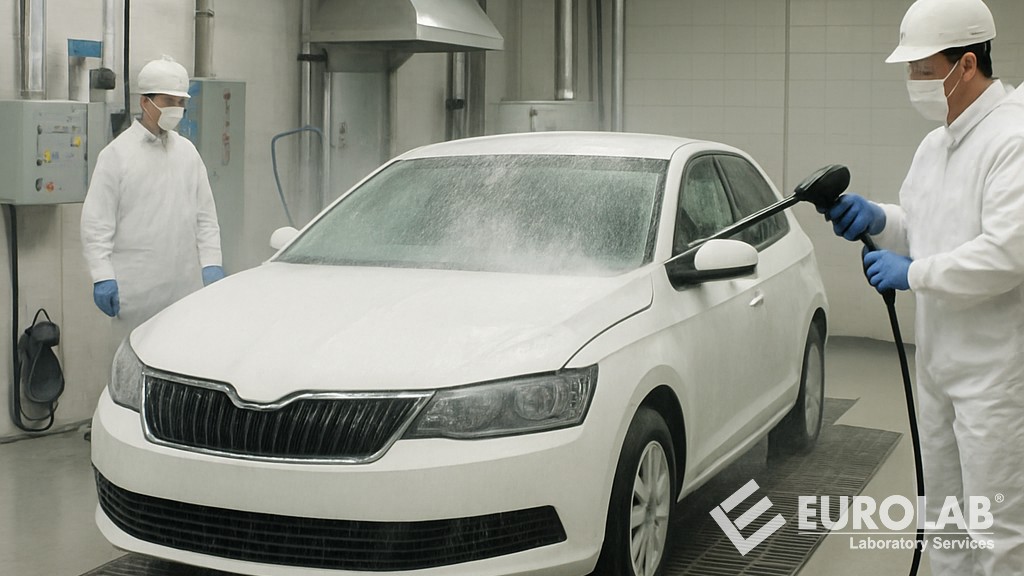
These tests simulate the abrasive effects of brushes, dirt, sand, and water in real-world car washes. They help manufacturers evaluate how well a coating withstands repeated washing without visible damage such as scratches, abrasion, cloudiness, or loss of shine.
The most widely accepted standard for these tests is: ISO 20566 Paints and varnishes – Determination of the scratch resistance of a coating system using a laboratory-scale car wash.
This standard essentially follows these steps:
The test conditions aim to closely mimic real automated car wash processes. It is primarily applicable to automotive paints, but with adjusted parameters, it can also be applied to plastics or protective films.
Relevant/regional variants or supplementary standards include:
The phrase "vehicle wash test standards" most commonly refers to the ISO 20566 standard and its related scratch and abrasion resistance tests for automotive coatings in professional and original equipment manufacturer contexts.
The ISO 20566 standard defines test procedures for evaluating the scratch resistance of organic coatings, particularly paint surfaces (car wash resistant) for the automotive industry. It is preferably used to differentiate between various coating systems. In a laboratory setting, machine-based cleaning is simulated using rotating brushes with synthetic dirt. Test conditions are designed to be as close as possible to real conditions in such a car wash. If the test parameters are compatible, the method can also be used for testing plastic foils.
The technical specifications of the car wash test describe a controlled laboratory simulation of auto wash abrasion on automotive coatings (e.g., clear coatings, primers) or protective films. This test uses a rotating brush containing an abrasive slurry to mimic real-world car wash damage. This damage results from the brushes plus dirt/sand particles. These tests are widely used in the automotive industry for original equipment manufacturer approvals and material development.
The basic parameters of the testing device are as follows:
Post-test evaluation methods:
The parameters are set to mimic brush-type automatic car wash machines (not contactless/high-pressure ones). The test accelerates damage for quick comparison but shows a good correlation with field performance.
This setup provides repeatable, quantitative data on scratch and abrasion resistance under wet and corrosive conditions.
In short, car wash testing standards are essential because they provide a reliable, repeatable, and accelerated way to assess how well automotive paint coatings resist common wear and scratches that occur in real-world automated car wash facilities.
For many years, our organization, with its competent and experienced staff, has been understanding the needs of its clients, providing the advanced testing services they require, and assisting in the establishment, implementation, and improvement of management systems. Within this framework, we also provide vehicle wash testing services (ISO 20566 standard) to businesses.
To get an appointment, to get more detailed information or to request an evaluation, you can ask us to fill in our form and reach you.

