

Developed by BMW, a multinational vehicle manufacturer, the “BMW PR 121 Staining and Cleanability Behavior of Surface Materials” standard is an internal test specification widely used in the automotive industry's quality and material verification processes. Specifically, sub-sections such as BMW PR 121.2, BMW PR 121.3, or BMW PR 121.4 describe standardized methods for evaluating the staining behavior and cleanability of surface materials such as plastics, textiles, leather, or coatings used in vehicle interiors and exteriors.
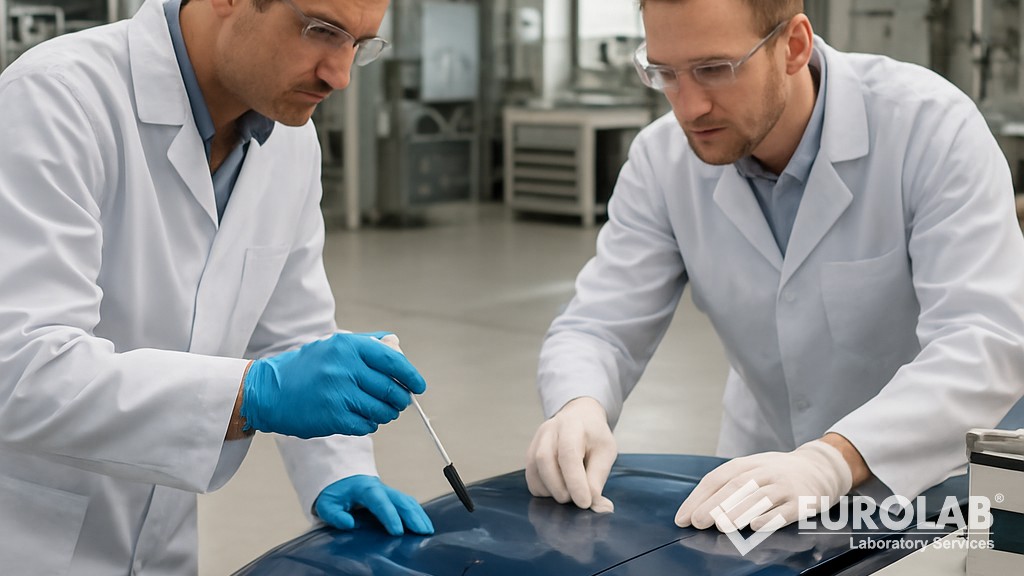
Independent testing laboratories conduct these tests to ensure materials are resistant to dirt accumulation and can be effectively cleaned without damage. This is critical for long-term durability, aesthetics, and customer satisfaction in premium vehicles.
The key characteristics of the BMW PR 121 standard series tests are as follows:
Similar BMW test specifications exist for other properties as well (e.g., scratch resistance, light fastness, or emissions), but the BMW PR 121 standard specifically targets practical cleanliness and maintenance.
Several sub-sections of this standard are as follows:
This test evaluates how well materials can withstand realistic contamination scenarios encountered in daily vehicle use. For example,
Next, using approved cleaning agents, the effectiveness of the cleaning is evaluated, and it is checked for any residual staining, discoloration, surface damage, change in gloss, or change in texture after cleaning.
This standard is particularly important for high visibility and high contact areas:
The materials need to exhibit a low tendency to soil and high cleanability, which ensures interiors look new for longer and reduces warranty claims related to appearance.
This standard is particularly important for suppliers and testing laboratories involved in material approval for BMW vehicles, where long-term cleanliness, stain resistance, and ease of maintenance directly impact perceived quality and customer satisfaction.
This standard evaluates how effectively surfaces resist staining from common real-world substances and how well they can be restored to their original condition using defined cleaning methods. This test targets the following materials:
Typical high-wear areas tested under this specification standard include seats, door panels, instrument panels, armrests, and steering wheel covers. The aim is to minimize visible wear from skin oils, cosmetics, food spills, inks, or environmental contaminants over the vehicle's lifespan.
The BMW PR 121.4 standard serves as a mandatory benchmark for suppliers in material development, qualification, and series approval processes. By addressing real-world durability challenges, it helps reduce visible wear from daily use and support warranty performance in high-contact areas.
The primary purpose of this standard is to simulate and measure how surfaces react to typical sources of contamination over time and how effectively they recover after cleaning. The contaminants tested typically reflect daily exposures:
Covered materials include those in high visibility/high contact areas:
The test applies strict limits regarding permanent staining, discoloration, gloss changes, texture changes, or surface deterioration after cleaning.
For many years, our organization, with its competent and experienced staff, has been understanding the needs of its clients, providing the advanced testing services they require, and assisting in the establishment, implementation, and improvement of management systems. Within this framework, we also provide testing services to businesses in accordance with the "BMW PR 121 Staining and Cleanability Behavior of Surface Materials" standard.
To get an appointment, to get more detailed information or to request an evaluation, you can ask us to fill in our form and reach you.

