

The VW PV 3015 standard, developed by the Volkswagen automobile company, describes a test method for the determination of condensable components of non-metallic materials used in the interior of vehicles.
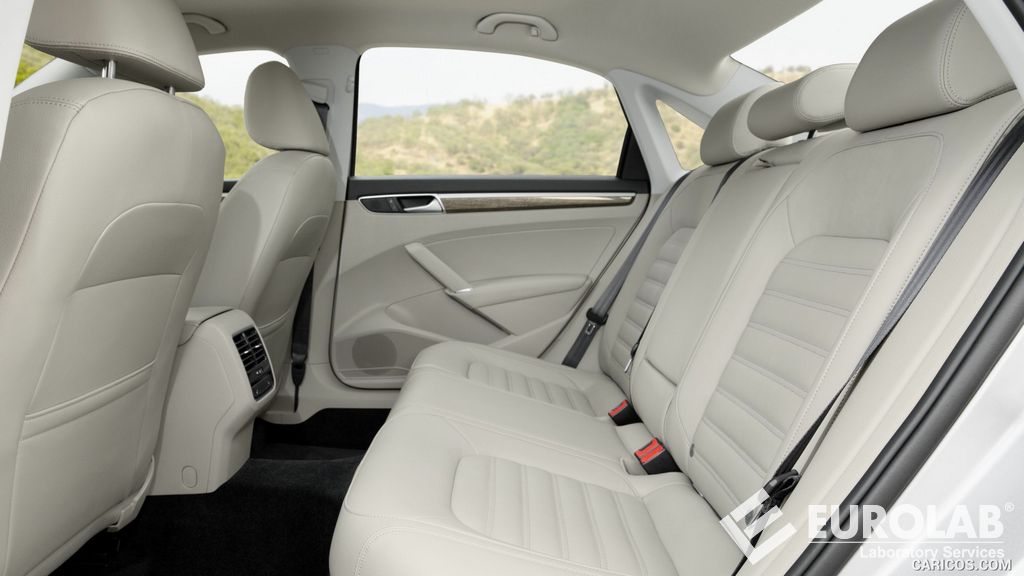
There is always a need for automotive interior trim components, whether made from chipboard or natural fiber composites, wood composites or something else. Manufacturers need molding expertise to provide the best performance for these parts and identify opportunities to reduce costs. A few of the most common materials worked in the automotive industry today are: particle board, natural fiber composites, wood composites, glass or fiberglass matte composites, injection molding, carpet, and acoustics.
Upholstery is one of the most sought-after aspects of a vehicle. Interior trim encompasses all parts of the car that are more decorative than functional. Its primary purpose is to create a comfortable and warm environment inside the car. Examples of upholstery include leather steering wheels, door panels, headliner trim, seat covers, or sun visor mirrors. The common thread among all of these is their aesthetic appeal.
Since there are so many products that qualify as interior flooring, the materials used are very diverse. Some of the most common are:
Interior trim pieces are extremely diverse and are therefore produced in many different ways. Manufacturers come up with new ideas and pre-production testing principles for interior trim parts. This ensures that each piece has a certain level of functionality and aesthetic appeal. Afterwards, the most suitable materials for the part are collected and molded into the appropriate shape. From two-step injection molding to variable temperature molding, there are many different ways that small parts can be inseparably molded together.
Among the numerous test, measurement, analysis and evaluation studies it provides for businesses in various sectors, our organization also provides test services for the determination of condensable components of non-metallic materials used in the interior of vehicles, within the scope of the VW PV 3015 standard, with its trained and expert staff and advanced technological equipment. .
To get an appointment, to get more detailed information or to request an evaluation, you can ask us to fill in our form and reach you.

