

Developed by BMW, a multinational vehicle manufacturer, the “BMW AA P 259 Crockmeter scratch resistance test” standard is a specialized test specification designed to evaluate the scratch resistance (resistance to scratching or abrasion) of surfaces of interior and exterior automotive components, such as painted parts, plastics, coatings, leather, textiles, or upholstery materials.
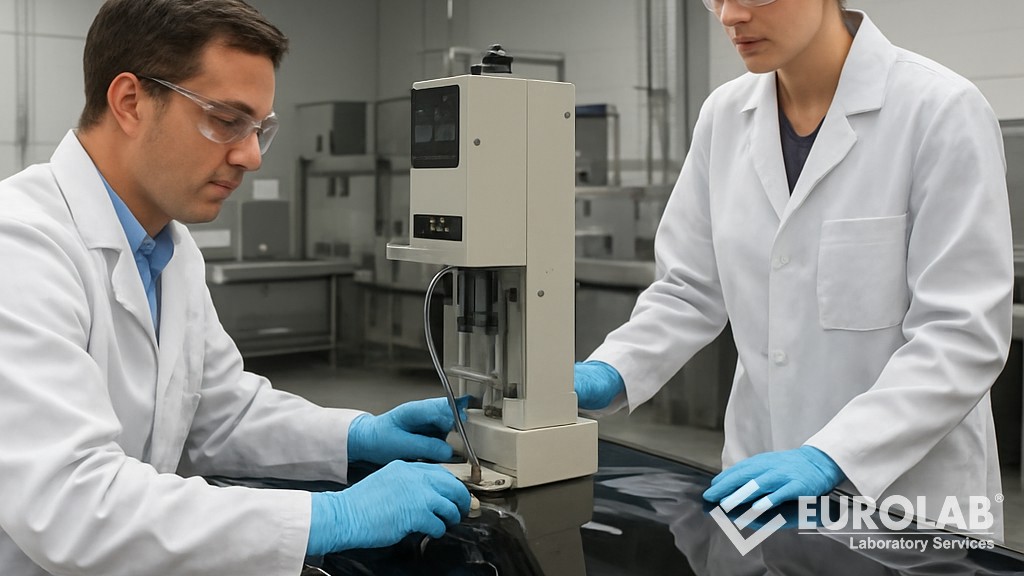
Scratch resistance measures how well a material's surface withstands light abrasion, friction, or scratching from everyday contact (e.g., clothing, keys, cleaning, or use). Unlike heavy abrasion or wear tests, it focuses on superficial damage that affects appearance, such as gloss reduction, visible marks, or color transfer, without penetrating deeply.
This testing method uses a crockmeter (a standardized friction device originally from the textile industry and adapted for automotive use). Basic components typically include:
This ensures that parts, especially in high-contact areas such as door panels, instrument panels, seats, or painted exterior surfaces, maintain their superior appearance throughout the vehicle's lifespan.
The BMW AAP 259 standard is part of BMW’s internal “AAP” series, which covers environmental, chemical, and mechanical durability testing for suppliers and components. This standard is frequently listed alongside the following related BMW standards:
The test laboratories verify the use of the BMW AAP 259 standard for supplier qualification and quality control throughout BMW's supply chain.
BMW prioritizes high-quality interiors and durable finishes in its premium models. Compliance with the BMW AA P 259 standard helps prevent common complaints such as scuffing in piano black trim, leather, or soft-touch plastics. It reinforces BMW's long-standing reputation for high-quality materials.
The BMW AAP 259 standard is necessary because it directly addresses a common real-world durability and appearance issue in premium vehicles: surface damage (scratches) from everyday contact can quickly degrade the perceived quality of both interior and exterior.
In daily use, vehicle surfaces (especially frequently touched interior areas such as the dashboard, door panels, center consoles, armrests, leather seats, piano black trim or matte surfaces) are subjected to repeated light friction and wear due to the following reasons:
These interactions result in scratches, which are slight, shallow surface distortions that reduce gloss, create haze, and form micro-scratches without visible lines or deep grooves. Over time, even small scratches accumulate, causing surfaces to look worn, cheap, or prematurely aged.
For a high-end brand like BMW, this is crucial. Customers expect a long-lasting, like-new appearance, even after years of use. Visible scratches lead to customer dissatisfaction, complaints, negative reviews, or warranty claims for cosmetic issues. In the luxury segment, where interior quality is a key differentiator from mass-produced vehicles, it directly impacts brand perception.
BMW uses a crockmeter (a device for controlled friction with standardized fabric or pad, pressure, and cycles) to simulate these light, repetitive contacts under repeatable laboratory conditions. This test evaluates:
This standardized, accelerated simulation predicts long-term performance far better than subjective real-world observation alone. Suppliers are required to meet BMW AAP 259 standard thresholds to ensure material suitability for BMW vehicles, which ensures consistency across the supply chain.
BMW’s “AA P” and “GS” series standards establish a comprehensive framework for durability. Scratch resistance complements these, focusing on light-duty, aesthetically critical damage, as opposed to heavy wear (e.g., seat fabrics) or deep scratches. Without such a requirement, suppliers might prioritize cost or other properties (e.g., hardness for scratch resistance), leading to poor wear performance. Vehicles might show signs of premature aging in high-contact areas, damaging BMW’s reputation for superior material longevity.
In conclusion, the BMW AA P 259 standard is designed to preserve the superior feel and resale value of BMW vehicles by mandating materials resistant to the subtle, cumulative wear and tear of real-world use, ensuring the interior looks and feels luxurious.
For many years, our organization, with its competent and experienced team, has been understanding the needs of its clients, providing the advanced testing services they require, and assisting them in the establishment, implementation, and improvement of management systems. Within this framework, we also provide testing services in accordance with the BMW AAP 259 standard.
To get an appointment, to get more detailed information or to request an evaluation, you can ask us to fill in our form and reach you.

