

Developed by General Motors Europe (GME), the “GME 60315 Determination of Peel Resistance of Bonded Body Trim Materials” standard is an engineering materials testing standard that specifies a method for determining the peel resistance of bonded body trim materials. This standard is primarily used to evaluate the strength of adhesive bonds between decorative or functional trim components and the vehicle body or substrate.
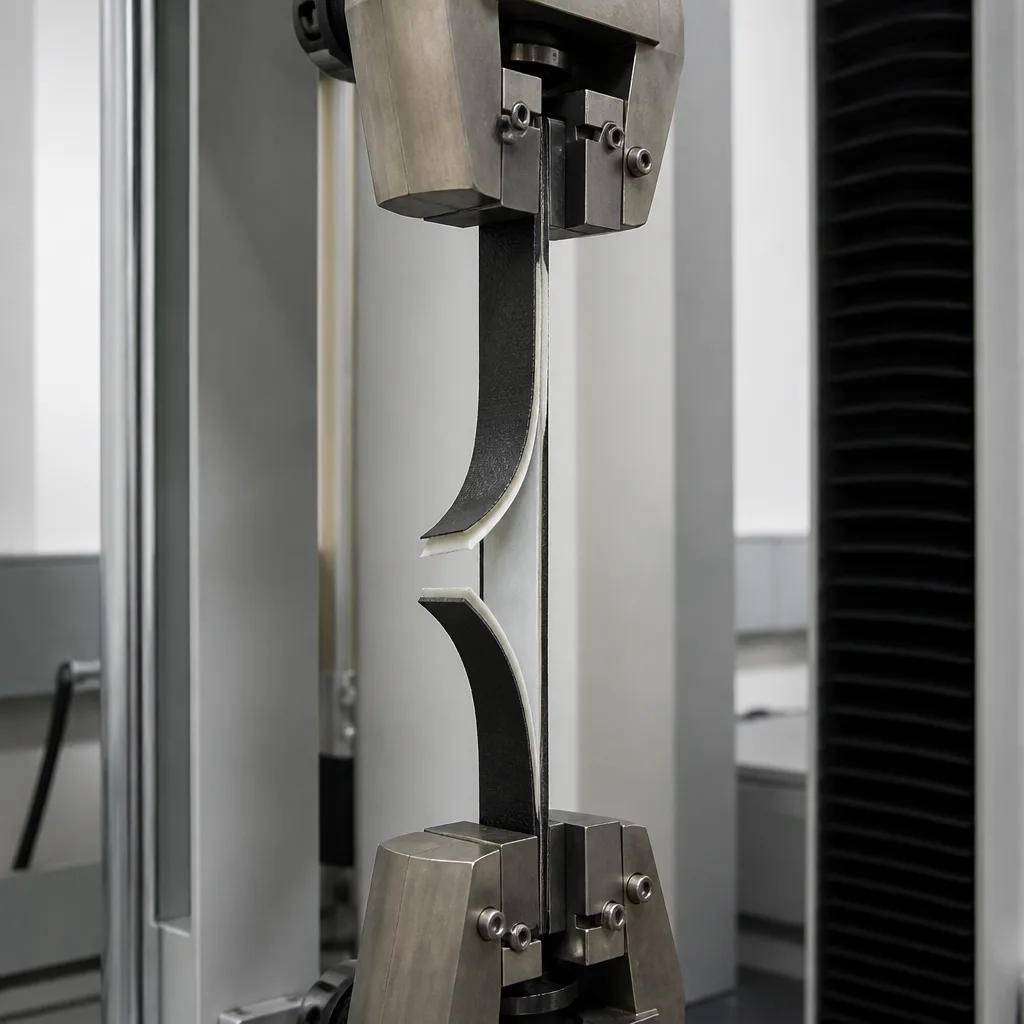
The aim of this standard is to ensure that bonded trim remains securely attached throughout the vehicle's lifespan, despite exposure to mechanical loads and environmental conditions.
As modern vehicles increasingly rely on structural adhesives rather than mechanical fasteners, peel resistance testing has become a crucial part of quality assurance for automotive interior and exterior trim components.
The primary objectives of the GME 60315 standard are as follows:
This standard provides a repeatable laboratory procedure that allows engineers to evaluate adhesion performance under controlled conditions.
The GME 60315 standard applies to numerous bonded automotive components, including:
In principle, peel resistance testing measures the force required to gradually separate a bonded coating material from its substrate. The general procedure involves:
The resulting peel strength represents the quality of the adhesive bond.
Typical equipment used in tests includes:
Equipment must be calibrated to ensure accurate and repeatable measurements.
Test samples are typically prepared from production materials using the following methods:
Proper sample preparation is crucial, as variations in adhesive thickness or curing time can significantly affect peel strength.
While specific values depend on the GM specification revision, the test generally checks for the following:
Environmental conditioning ensures a consistent comparison between materials.
The main evaluation criteria are as follows:
The results are compared against acceptance criteria set by General Motors or the relevant vehicle program.
The GME 60315 standard helps to distinguish between different types of adhesive failures, including:
Analyzing the failure mode is just as important as measuring the peeling force.
Several variables affect peel resistance:
Manufacturers optimize these variables to achieve strong adhesive bonds.
Common applications of the GME 60315 standard in the automotive industry include:
This standard helps ensure the long-term reliability of bonded trim systems.
The GME 60315 standard test method offers several advantages:
The GME 60315 standard is often used in conjunction with other General Motors materials and durability standards, covering topics such as:
Together, these standards provide a comprehensive evaluation of automotive components bonded with adhesives.
Peel resistance is one of the most critical mechanical properties for adhesive-bonded trim components. Poor peel strength can lead to:
The GME 60315 standard helps ensure consistent adhesive bond quality between suppliers and manufacturing facilities by establishing a standardized peel test method.
In conclusion, the GME 60315 standard is a crucial engineering standard for evaluating the peel resistance of bonded body cladding materials. It provides a standardized laboratory procedure for measuring the force required to peel the bonded cladding from its substrate, enabling engineers to assess adhesive performance, compare materials, and verify production quality. This standard plays a vital role in the development and validation of durable adhesive-bonded automotive cladding systems, contributing to vehicle reliability, appearance, and long-term customer satisfaction.
For many years, our organization, with its competent and experienced staff, has been understanding the needs of its clients, providing the advanced testing services they require, and assisting them in the establishment, implementation, and improvement of management systems. Within this framework, we also provide testing services compliant with the GME 60315 standard.
To get an appointment, to get more detailed information or to request an evaluation, you can ask us to fill in our form and reach you.

