

The standard "GMW3208 Rotary abrasion test - Taber type," published by General Motors (GM), describes a test method for determining the abrasion resistance of materials using a rotating platform tester. This test method is applicable to all materials and parts where abrasion performance is required and needs to be tested.
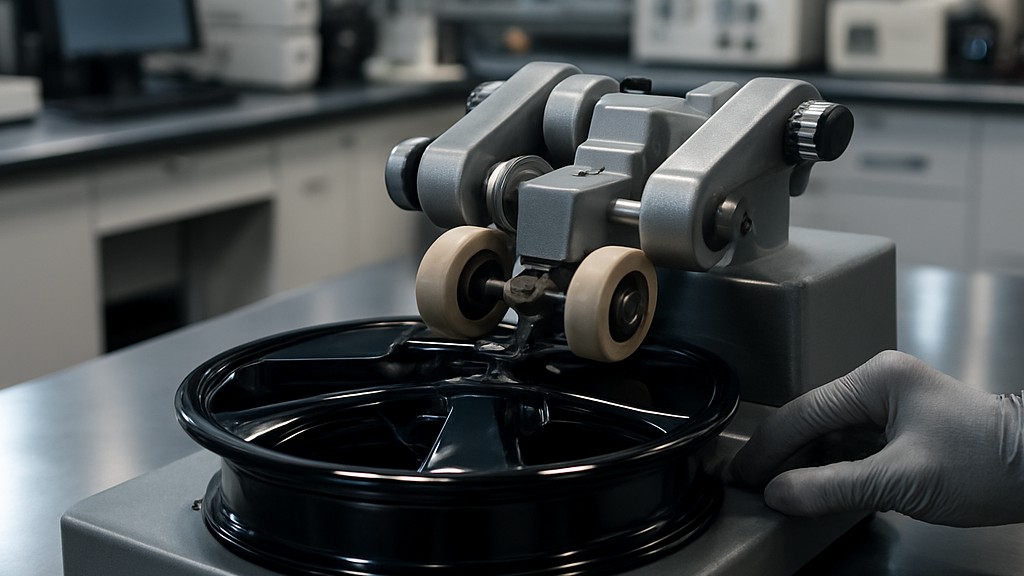
In the high-risk automotive manufacturing sector, where vehicles must withstand years of demanding use, material durability is paramount. General Motors, one of the world's largest automakers, relies on a comprehensive suite of engineering standards known as GMW specifications to ensure quality and reliability. Among these, GMW3208 has emerged as a vital tool for assessing the abrasion resistance of interior and exterior materials. This standard simulates the abrasive forces encountered in real-world driving conditions, from the rubbing of seat fabrics against clothing to dashboard surfaces exposed to environmental elements.
The GMW3208 standard helps prevent premature material degradation, reduce warranty claims, and increase customer satisfaction. As GM shifts toward electric vehicles and sustainable materials like recycled plastics and bio-based composites, this test method remains crucial for validating innovations without compromising durability.
Abrasion, the gradual wearing down of surfaces through friction, poses a silent threat to vehicle life. Over time, it leads to faded upholstery, scratched panels, and deteriorated aesthetics, destroying the premium experience offered to drivers. The GMW3208 standard addresses this issue by measuring a material's ability to resist rotary abrasion, a movement that mimics the circular friction of hands, tools, or debris.
This standard aligns with General Motors' broader materials testing framework. For example,
Collectively, these standards align with global benchmarks such as the ISO 7784 standard for paints and varnishes and the ASTM D4060 standard for abrasion resistance, enabling seamless supplier integration across General Motors' supply chain.
The GMW3208 standard uses the iconic Taber abrasive rotary tester, developed for automotive applications. Generally, this test method includes the following steps:
The rotary motion of this method distinguishes it from linear tests and captures multi-directional wear patterns unique to vehicle interiors.
The GMW3208 standard is a checkpoint in General Motors' supplier verification process. Materials used for door trims must be approved to secure contracts. For example, General Motors' Taber tests against the GMW3208 standard for synthetic leather confirmed a 30 percent increase in wear life compared to traditional vinyl, facilitating its adoption in luxury lines.
Ultimately, the GMW3208 standard is a testament to General Motors' engineering foresight, transforming simple abrasion testing into a cornerstone of vehicle durability. By meticulously simulating the extreme friction of roads and routines, this Taber-style standard safeguards the integrity of General Motors' iconic product line. For materials scientists and automakers, the GM3208 standard is not just a protocol; it's a promise of durability.
Our organization, which has been operating for many years and meticulously follows global developments in science and technology, employs a skilled team and extensive infrastructure to conduct testing, measurement, and analysis in a wide range of areas for businesses across all sectors. In this context, we also provide testing services in accordance with the GMW3208 Vinyl Rotary Abrasion Test - Taber Type standard.
To get an appointment, to get more detailed information or to request an evaluation, you can ask us to fill in our form and reach you.

