

The standard “Volvo STD 421-0002 Polishing and cleaning procedures - For bulk colored plastics or test panels with topcoats”, developed by Volvo, describes the procedures for cleaning and polishing aged test panels with topcoats and mass-produced colored plastics. Cleaning or polishing should be performed, if necessary, before color assessment, gloss measurement, or any other evaluation method of the test panels.
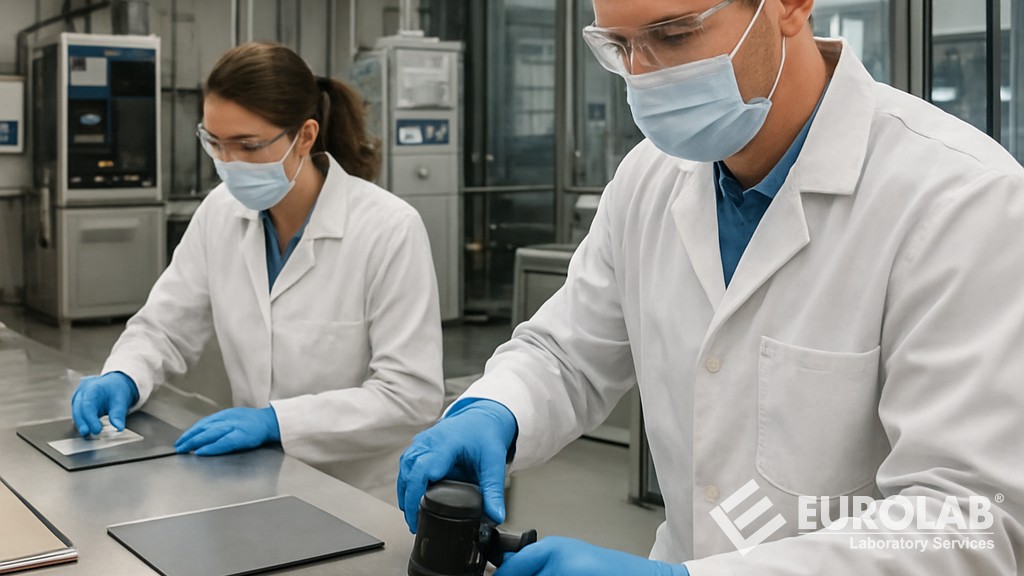
During polishing, the applied pressure should be such that the polishing pad is compressed to approximately half its height. Polishing should be done evenly across the entire surface of the test panel. After polishing, all remaining polishing agent should be carefully removed from the polished surface and any other contaminated parts of the test object using a clean, non-abrasive microfiber polyester cloth moistened with demineralized water.
By carefully inspecting the test piece under good lighting conditions, it can be checked that no traces of polishing agent remain on the surface. During inspection, the reflection of light on the polished test panel surface should be checked. Localized changes in gloss caused by residual polishing agent may be observed. After polishing, the test panel must be conditioned for at least 24 hours according to Volvo STD 1021-0001 standard before evaluation.
In the highly competitive automotive manufacturing world, where vehicles must withstand harsh environmental conditions ranging from salty winter roads to humid coastal climates, robust corrosion protection is undeniable. Volvo, known for its heavy-duty trucks, buses, construction equipment, and marine engines, has long prioritized durability and safety in its engineering standards.
Volvo STD 421-0002 stands out as a critical standard regulating corrosion testing and protection methodologies. This standard ensures that components supplied to Volvo meet stringent performance criteria, leading to longer vehicle life and reduced maintenance costs for end-users.
This standard encompasses corrosion protection testing protocols, focusing on the evaluation of protective coatings, surface treatments, and material resistance in simulated, harsh environments. Unlike broader standards such as ISO 9227 (salt spray test), the Volvo STD 421-0002 standard is designed to meet the specific requirements of heavy-duty applications where vehicles are exposed for extended periods to de-icing salts, road grime, and industrial contaminants.
The key elements addressed in this standard are as follows:
This standard complements adjacent standards such as Volvo STD 423-0010 (corrosion resistance for specific coatings) and Volvo STD 420-0002 (rust assessment on painted surfaces), creating a layered defense against degradation. For example, while STD 420-0002 measures visible rust after exposure, STD 421-0002 might cover electrochemical assessments or long-term immersion tests.
For suppliers, compliance with the Volvo STD 421-0002 standard provides a competitive advantage. It minimizes warranty claims and encourages innovation. Improved corrosion resistance extends part life, reduces scrap and welding, and aligns with Volvo's carbon neutrality goals.
For many years, our organization, with its competent and experienced staff, has been understanding the needs of its customers, providing the advanced testing services they require, and assisting in the establishment, implementation, and improvement of management systems. Within this framework, we also provide testing services to businesses in accordance with the "Volvo STD 421-0002 Polishing and cleaning procedures - For bulk colored plastics or test panels with top coatings" standard.
To get an appointment, to get more detailed information or to request an evaluation, you can ask us to fill in our form and reach you.

