

The standard “Volvo STD 423-0018 Moisture resistance in tropical cabinetry - Chemical materials”, developed by the Volvo vehicle company, refers to the determination of moisture resistance of dry paint films and testing of aging of adhesives and sealants under humid conditions in tropical cabinets according to a specified temperature cycle and 100 percent relative humidity.
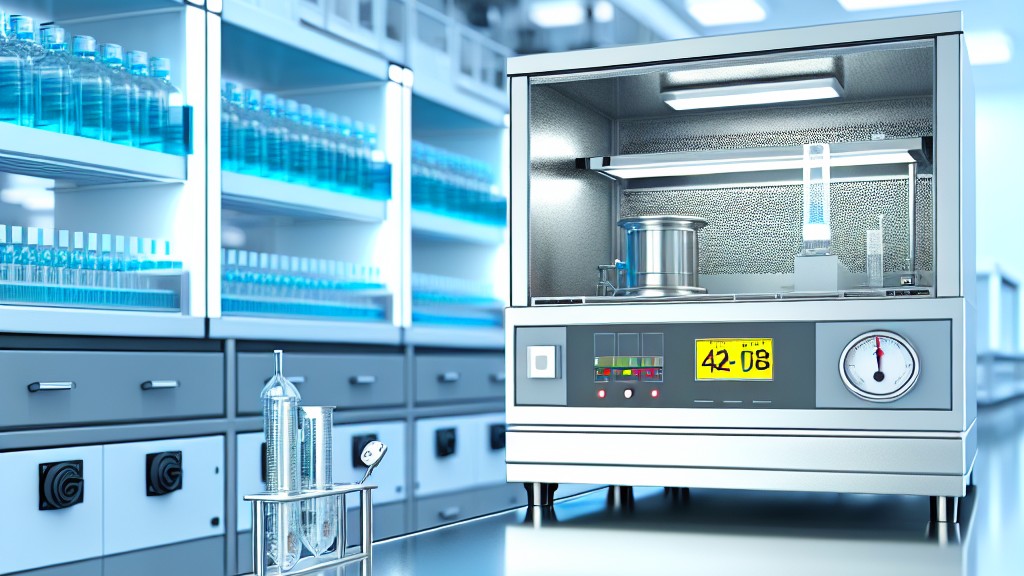
When applying this standard, it should be clearly stated how long the test piece will be exposed to moisture and how moisture resistance will be evaluated.
Essentially, this standard is the same as the previously published STD 1027,3375 standard that it replaces.
The test piece shall consist of a test panel or a section of a body part, cabinet part or the like and shall be painted and cured in accordance with the relevant process requirements. In the case of adhesives and sealants, these shall be applied and cured in accordance with the relevant process requirements.
These tests use a tropical chamber with automatic temperature and humidity control. The highest value in the temperature cycle should be 40 degrees plus/minus 1 degree and the lowest value should be 23 degrees plus/minus 5 degrees. A temperature cycle consists of 6 hours. The relative humidity should be 100 percent throughout the temperature cycle.
Before the test begins, all features to be evaluated and all irregularities on the surface of the test piece (fingerprints, drips, etc.) should be noted. When the temperature reaches its lowest point, the test piece should be placed in the tropical cabinet.
Unless otherwise stated, the test piece shall be evaluated immediately after completion of the test cycle. Where wet conditions are required prior to evaluation, it shall be in deionized water at room temperature for a maximum of 1 hour. An evaluation shall be made from the properties specified in the relevant material standard. The most important properties evaluated are:
The report to be prepared at the end of the test should include:
In general, the chemical resistance and moisture resistance in the tropical cabinet provide assurance that the internal electronics will be protected from external factors such as moisture, dust, water and dirt.
Aging of adhesives and sealants used in the automotive industry under humid conditions is a common test process. These tests are performed under 100 percent relative humidity and a cyclic temperature. The tropical chamber comes with a pre-programmed test cycle according to the standard, but also offers the ability to set the desired temperature.
Volvo STD 423-0018 standard corrosion test determines the resistance of materials to corrosion under certain environmental conditions such as temperature and humidity. Other accelerating factors may be the presence of chemicals and pH level measured by salt fog and rain.
There are essentially two different types of corrosion test standards, field performance and accelerated corrosion tests. When choosing a test method, it is important to ensure that the controlled environment is compatible with the natural outdoor environment in terms of behavior when the protective coating is compromised. Since the methods used in the laboratory environment are accelerated, studies should support extrapolation of the test period.
Among the numerous tests, measurements, analyses and evaluation studies that our organization has carried out for businesses in various sectors, our organization also provides testing services defined in the “Volvo STD 423-0018 Humidity resistance in tropical cabinets - Chemical materials” standard with its trained and expert staff and advanced technological equipment.
To get an appointment, to get more detailed information or to request an evaluation, you can ask us to fill in our form and reach you.

