

The “FCA LP-463PB-31-01 Fluid Resistance Test (Stellantis compliant)” standard, developed by Fiat Chrysler Automobiles (FCA) (now Stellantis), an Italian-American automotive company, describes various test methods for determining the resistance of coated surfaces and films to global commercial fluids. This standard does not propose material-based fluid resistance test requirements. Requirements are determined by the specification of the relevant product material. For example, the MS.50519 standard applies to interior coatings. This specification includes limitations for testing thermoplastic elastomers (TPE) and other rubber families. The company should be consulted for applicable test conditions.
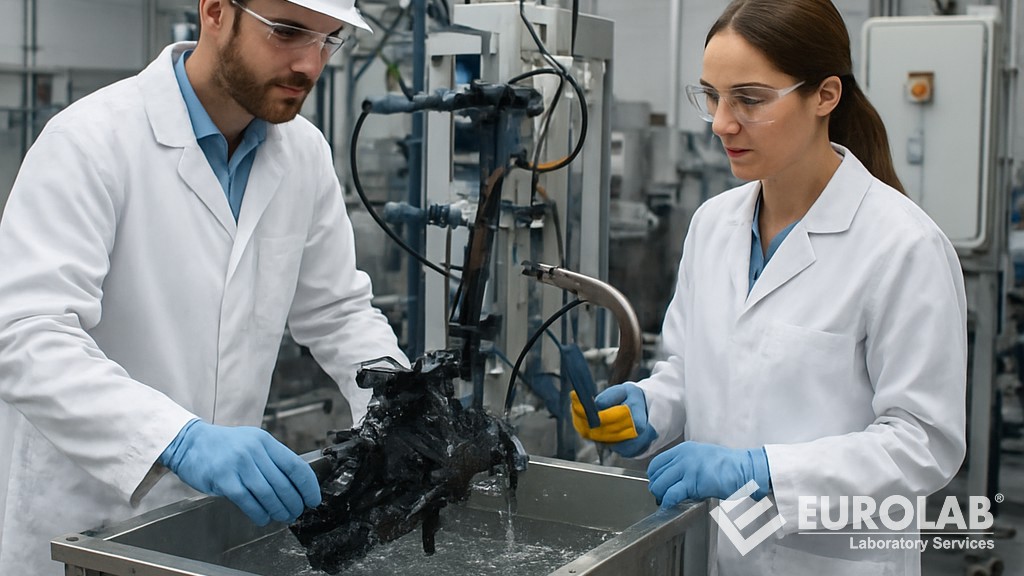
The test methods were determined as follows:
Before storing, wipe off any remaining sunscreen residue from the panel with a dry or damp cloth.
This standard also defines the following methods:
Unless otherwise specified in the material specification, tests should be performed in triplicate. If automotive components are to be tested, approval must be obtained from the responsible materials engineer prior to testing. The coating must be fully cured, and the thickness of each layer must be within the paint supplier's guidelines, unless otherwise specified by the materials engineer.
In the fast-paced automotive industry, ensuring the longevity and aesthetic integrity of vehicle coatings is paramount. Paint systems on cars, trucks, and SUVs must withstand not only weather conditions but also everyday exposure to substances such as road chemicals, cleaning agents, and personal care products. The FCA LP-463PB-31-01 standard plays a crucial role in quality assurance, helping manufacturers verify that coatings reliably perform in real-world conditions.
Essentially, the FCA LP-463PB-31-01 standard evaluates how paint films react to various liquids through a series of targeted methods, each simulating different exposure scenarios. Panels coated with the test paint are subjected to controlled liquid applications, followed by visual and performance evaluations. This standard offers multiple sub-methods providing flexibility for different applications, such as under-hood components or exterior panels. These tests are conducted at controlled temperatures (typically 23 degrees plus/minus 2 degrees) and humidity, for durations ranging from 1 hour to 7 days. Acceptance is based on minimum visual defects (e.g., no more than 2 percent of the affected area) and quantitative measurements such as preservation of film thickness (micrographic analysis). For plastic surfaces, additional pretreatment may be required, as specified in the FCA's MS.90089 standard.
Paint degradation can lead to costly recalls, warranty claims, and reputational damage. The FCA LP-463PB-31-01 standard ensures suppliers' coatings meet stringent criteria, reducing problems such as faded trim from sunscreen or cracked surfaces from liquid spills.
As Stellantis moves towards sustainable paints (e.g., water-based systems), future updates to this standard may include eco-friendly liquid simulators, complying with EU regulations on volatile organic compounds.
For many years, our organization, with its competent and experienced staff, has been understanding the needs of its customers, providing the advanced testing services they require, and assisting them in the establishment, implementation, and improvement of management systems. Within this framework, we also provide testing services to businesses in accordance with the "FCA LP-463PB-31-01 Liquid resistance test (Stellantis compliant)" standard.
To get an appointment, to get more detailed information or to request an evaluation, you can ask us to fill in our form and reach you.

