

In the DIN 75201 standard prepared by the German Standardization Institute (DIN), a test method is defined for determining the fogging properties of materials used in the passenger cabin of motor vehicles. Condensation is the condensation of volatile components evaporating from the interior of cars on automobile windows, especially windshields.
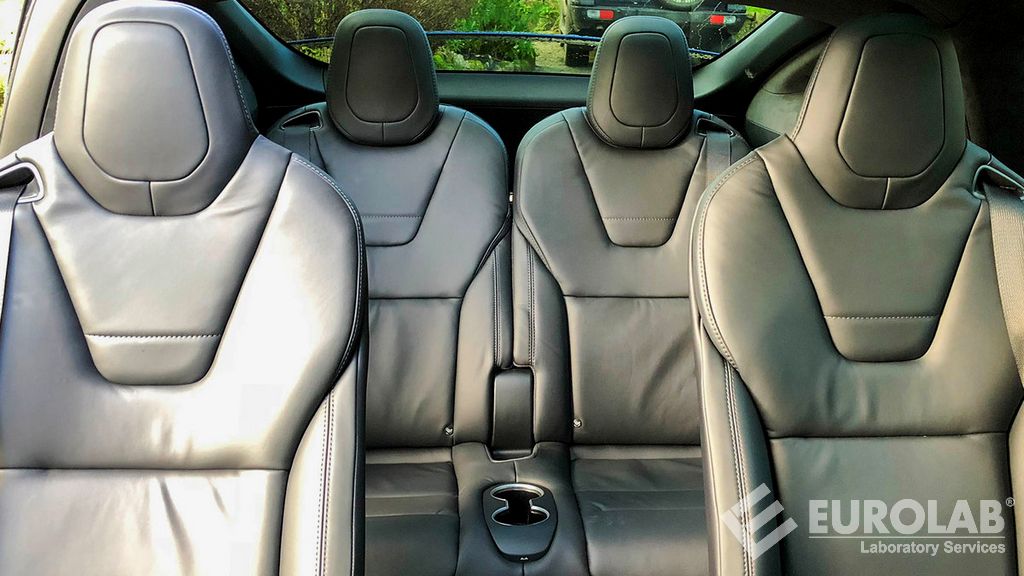
The tests carried out according to the DIN 75201 standard are designed to determine the fogging properties of materials used in the passenger compartment of automobiles. These test methods are also used for liquid, paste, powder and solid raw materials from which materials are produced.
This standard provides two test methods for determining fogging properties:
In the latest update of this standard, the cleaning method of glass sheets has been revised and changes have been made to borosilicate glass sheets and reference compounds.
In the reflectometric method, a sample material is placed in a beaker and covered with a glass plate before being heated to 100 degrees Celsius for three hours. The glass plate is simultaneously lowered to 21 degrees, allowing semi-volatile organic compound (SVOC) gases to condense on the glass. The reflective index of the fogged plate is then calculated.
In the gravimetric method, the sample is placed in a beaker and covered with an aluminum foil disc. The material is heated at 16 degrees for 100 hours, while the aluminum disc is cooled to maintain a temperature of 21 degrees. The released semi-volatile organic compound gases condense on the cooling disc and the amount of fogging condensate collected is measured after 16 hours.
Both reflectometric and gravimetric test methods are considered very useful for customers who want to verify that the fogging values of a particular material meet given manufacturing standards or original equipment manufacturer requirements.
Advanced laboratories use specialized equipment to evaluate the fogging properties of materials such as plastic articles, leather, textiles, adhesives and thermoplastic elastomers.
Among the numerous test, measurement, analysis and evaluation studies it provides for businesses in various sectors, our organization also provides test services for the determination of the fogging properties of coating materials in the interior of the automobiles, within the scope of the DIN 75201 standard, with its trained and expert staff and advanced technological equipment.
To get an appointment, to get more detailed information or to request an evaluation, you can ask us to fill in our form and reach you.

