

Developed by BMW, a leading German multinational company in the automotive sector, the “BMW PR 372 Interior Trim Load Test” standard describes a specific technical delivery condition used to verify interior components, particularly trim parts such as seats, upholstery, panels, and trim. This standard incorporates standardized test methods to ensure that these parts meet durability, strength, and performance requirements under various loads and stresses encountered in actual vehicle use.
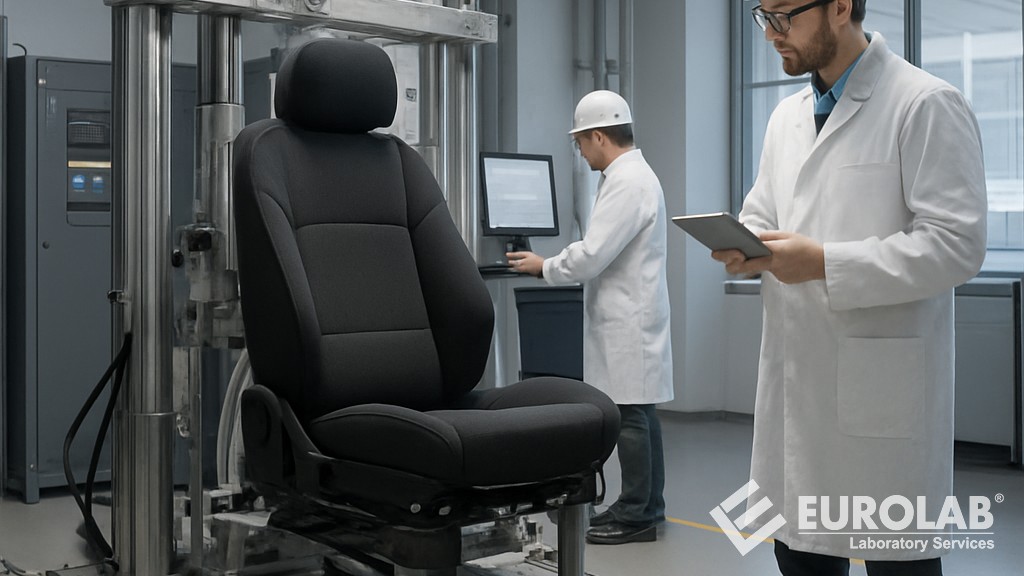
This standard focuses primarily on mechanical load testing for interior upholstery and seating systems. Laboratories and suppliers generally refer to specific sections of this standard when certifying parts for BMW approval. Commonly used subsections include:
This standard describes a static load application procedure designed to simulate applying long-term, constant pressure to internal surfaces. For example,
The aim is to ensure that no permanent deformation, cracking, wrinkling, seam failure, material degradation, or unacceptable changes in appearance/feel occur after the load is removed.
This standard simulates the repeated, cyclical loading that occurs during normal vehicle use. For example,
This test confirms that the component can withstand the following dynamic stresses without the specified conditions:
This standard ensures long-term durability and maintains BMW's superior interior quality standards in realistic, repetitive use.
This standard defines the basic testing method for the mechanical strength and functional performance of interior trim components, upholstery, seats, coverings, luggage racks, armrests, plastic carriers and related soft/hard trim parts in passenger and luggage compartments.
Hardness testing evaluates the resistance of internal components to bending, deflection, or deformation when subjected to applied forces. It ensures that flooring components provide the following:
This standard is critical for the following parts:
Insufficient firmness can lead to clicking, creaking, visible warping, or a cheap feel over time.
Other relevant tests include stiffness, seam strength, or the long-term durability of fabrics or leathers. These tests help ensure that BMW interiors remain robust, comfortable, and free from premature wear, even at high mileage or under demanding conditions.
BMW applies stringent internal standards, such as BMW PR 372, to maintain superior manufacturing quality. Suppliers must pass these standards for parts to be approved for production vehicles. Independent testing laboratories offer accredited services to verify compliance with sub-sections of the BMW PR 372 standard, often in conjunction with other standards such as BMW GS 97019 (coatings) or BMW GS 97028 (adhesives). This contributes to BMW's reputation for durable, high-quality interiors that age well over time.
For many years, our organization, with its competent and experienced staff, has been understanding the needs of its customers, providing the advanced testing services they require, and assisting them in the establishment, implementation, and improvement of management systems. Within this framework, we also provide testing services in accordance with the "BMW PR 372 Interior Trim Load Test" standard.
To get an appointment, to get more detailed information or to request an evaluation, you can ask us to fill in our form and reach you.

