

The GMW 15635 standard, developed by General Motors , describes a measurement process applied to determine aldehyde and ketone emissions from vehicle interior materials. To perform this test, test components are fixed in sealed vials over deionized water and kept in an oven for a specified period. The vials are then cooled, and the aldehydes and ketones absorbed in the demineralized water are detected.
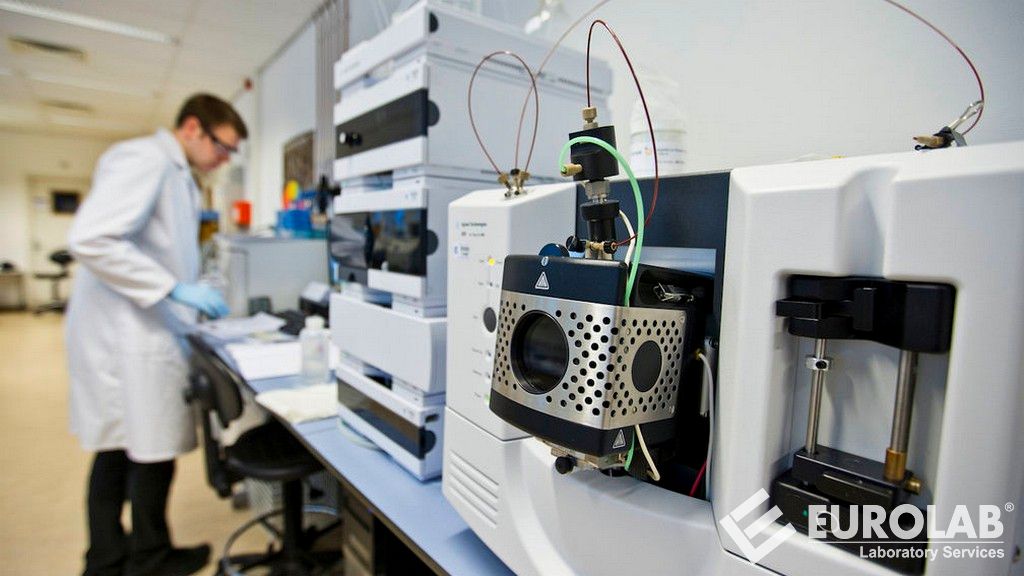
Concentrations of aldehydes and ketones are determined by 2,4-dinitrophenylhydrazine (DNPH) derivatization followed by ultraviolet (UV) detection high performance liquid chromatography (HPLC). The amount of aldehydes and ketones is determined as a ratio of the dry weight of the test piece in micrograms per gram. Aldehyde and ketone compounds are ubiquitous in the air and have adverse effects on human health. In many previous studies, it has been determined that primary pollutants such as motor vehicle exhaust, industrial emissions and cooking oil fumes are important sources of aldehydes and ketones in the urban atmosphere. In this regard, it is necessary to understand and evaluate the concentration levels of aldehyde and ketone compounds in human exposure.
In the automobile market, textiles are important materials to provide adequate comfort and decoration, but volatile organic compounds (VOCs) often found in automotive textiles have certain toxicity and can slowly evaporate in vehicles. Aldehydes and ketones are the main volatile organic compounds in automotive textiles. These compounds are very harmful to human health and affect the sustainability of vehicles. Many standards have been published regarding VOC determination in the automotive industry. Timely testing of volatile organic compounds evaporated from automotive textiles is essential to improve interior air quality. VOC detection is carried out throughout the entire production process of automotive textiles, from fabric production to finishing and end products. In these tests, the real environment of the textile materials used in the vehicles is simulated and high-performance liquid chromatography method is applied to determine the content of aldehydes and ketones.
Among the numerous test, measurement, analysis and evaluation studies it provides for businesses in various sectors, our organization also provides testing services for the determination of aldehyde and ketone emissions originating from internal materials, within the scope of the GMW 15635 standard, with its trained and expert staff and advanced technological equipment.
To get an appointment, to get more detailed information or to request an evaluation, you can ask us to fill in our form and reach you.

