

In the high-stakes world of automotive manufacturing, where every gram of weight and every degree of toughness determines the difference between market leader and behind, materials science plays a crucial role. Polypropylene (PP), a versatile thermoplastic polymer, has long been a cornerstone of interior and under-hood components thanks to its low cost, chemical resistance, and ease of processing. However, as electric vehicles become more widespread and sustainability demands intensify, the evolution of PP formulations is accelerating.
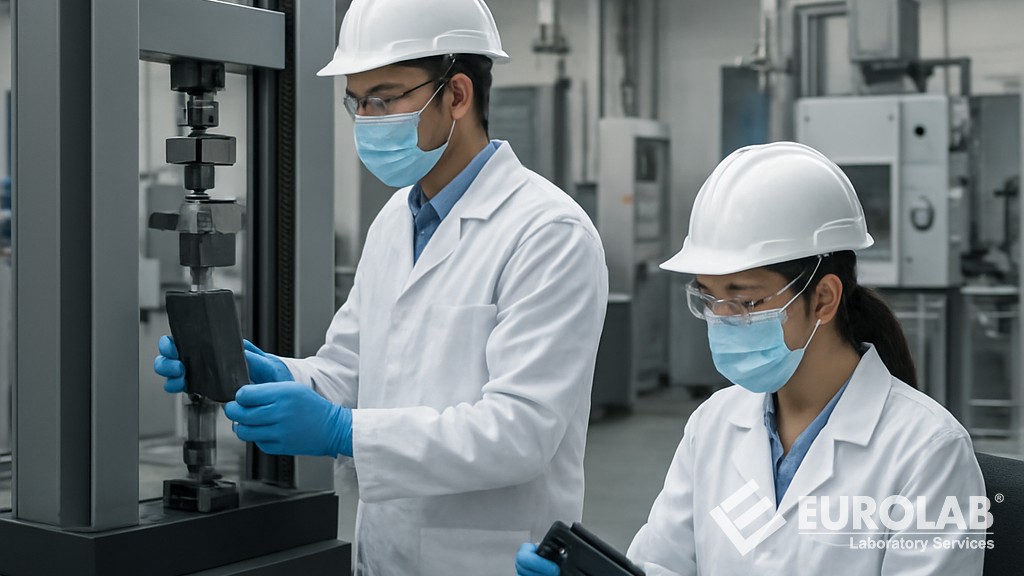
Developed by Chery Automobile, one of China's leading global automotive brands, the “Q/SQR S8-95-2024 Automotive Polypropylene (PP) Materials” standard is a cutting-edge specification that promises to redefine performance criteria for automotive polypropylene (PP) materials in the areas of lightness, recyclability, and thermal stability.
The Q/SQR S8-95-2024 standard specifically targets polypropylene (PP)-based materials for interior trim, bumpers, and structural reinforcements. This standard builds upon previous standards such as Q/SQR S1-27-2012, which for the first time codified polypropylene (PP) classifications for automotive use. Leaks and supplier documentation indicate that it incorporates post-2020 developments in bio-based fillers and flame-retardant additives, aligning with global trends toward net-zero emissions.
Unlike broader standards such as SAE J400 for plastic fracture toughness, the Q/SQR S8-95-2024 standard integrates Chery’s holistic vehicle lifecycle testing, from injection molding simulations to crash-impact analysis. This forward-looking approach addresses issues with polypropylene material: its susceptibility to UV degradation and its low heat deflection temperature, which can limit its use in engine compartments.
The Q/SQR S8-95-2024 standard essentially categorizes polypropylene (PP) materials into six main categories, each with stringent performance thresholds. These are prescribed formulas for compound manufacturers, guaranteeing interoperability on Chery's assembly lines:
These properties have been validated through a series of tests: ASTM D638 standard for tensile properties, ISO 179 standard for impact, and proprietary Chery protocols for odor emission and fogging (cabin air quality). A standout feature is the mandatory presence of at least 20 percent post-consumer recycled content in PP-B blends, as a nod to circular economy principles. This reduces reliance on pure resin by up to 15 percent and potentially reduces carbon dioxide emissions by 1,5 kg per kg of material.
In Chery's product range, the Q/SQR S8-95-2024 standard is highlighted in the new Omoda 5 EV model, where PP-R compounds form the lightweight lower body shield, providing a 10 percent reduction in curb weight compared to aluminum alternatives.
However, smaller suppliers struggle to meet the standard's traceability requirements by using blockchain-like ledgers for raw material origin. Furthermore, while polypropylene (PP) excels in recyclability, cross-contamination with ABS or PC in shredding streams creates sorting dilemmas. Despite everything, in a growing market for automotive thermoplastics, such standards also position original equipment manufacturers as innovators.
In conclusion, the Q/SQR S8-95-2024 standard exemplifies how targeted material standards can advance automotive innovation. Chery is not only powering its vehicles by balancing performance, cost, and environmental responsibility, but also guiding the industry towards a more robust and greener future. As global fleets go electrified, the role of polypropylene (PP) material is expected to expand from passive hardware to active, intelligent components. For both engineers and enthusiasts, this standard is proof of that.
For many years, our organization, with its competent and experienced staff, has been understanding the needs of its customers, providing the advanced testing services they require, and assisting them in the establishment, implementation, and improvement of management systems. Within this framework, we also provide testing services to businesses in accordance with the “Q/SQR S8-95-2024 Automotive polypropylene (PP) materials” standard.
To get an appointment, to get more detailed information or to request an evaluation, you can ask us to fill in our form and reach you.

