

Developed by BMW, a multinational vehicle manufacturer, the “BMW AA 0769 Dark Storage of Interior Materials” standard describes an internal materials testing method designed to assess the long-term stability and durability of interior trim materials, components, and surfaces under dark storage conditions. This standard falls under the broader “AA” series of test methods, primarily addressing the environmental resistance, aging, and performance of non-metallic materials (such as plastics, textiles, leather/synthetic leather, coatings, and decorative elements) used in vehicle cabins.
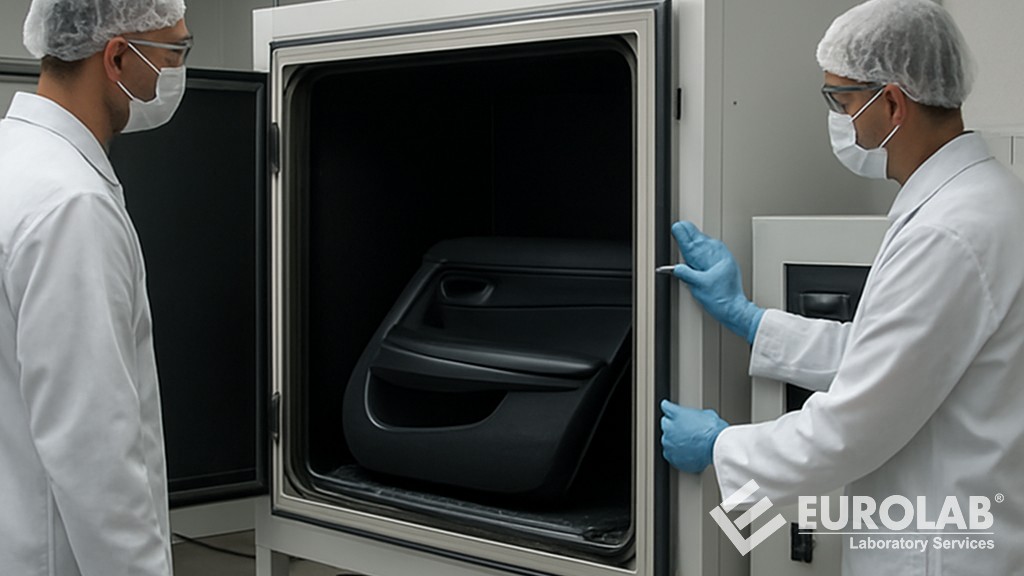
Dark storage refers to accelerated aging tests performed without light exposure (i.e., in complete darkness) and is often combined with controlled heat, humidity, or other environmental factors to simulate long-term storage or in-vehicle conditions where parts are not exposed to sunlight (e.g., glove compartments, lower instrument panel areas, trunk linings, or hidden structural components). The aim is to evaluate:
This contrasts with light exposure tests (such as xenon arc weathering tests like BMW AA 0236 or similar standards) that assess lightfastness and UV resistance for surfaces exposed to sunlight (e.g., instrument panels or door panels).
BMW interiors utilize premium materials (genuine leather, high-quality plastics, Alcantara-like fabrics, wood veneers) that must maintain their look, feel, and functionality throughout the vehicle's lifecycle (typically 10-15 years). Dark storage tests ensure that materials do not deteriorate prematurely due to heat buildup in unlit areas (e.g., a car parked in a hot climate) or material interactions (e.g., plasticizer migration leading to adhesion).
Failure in dark storage can lead to the following:
Passing this standard test is mandatory for supplier approval of internal components.
BMW dark/heat aging tests typically include the following:
The BMW AA 0769 standard is a critical part of BMW’s rigorous materials qualification process because many interior components undergo significant long-term degradation even without exposure to sunlight. Light-based tests (e.g., xenon arc or daylight simulation) cover UV fading and photodegradation on visible surfaces such as instrument panels or seats, while dark storage specifically targets heat-related, oxidative, and time-related aging that occurs in shaded or enclosed areas of the cabin.
The main reasons why this test is necessary are as follows:
Without dark storage tests, materials can become brittle, deform, emit odors, or develop surface stickiness (a sticky feel due to plasticizer migration) within a few years.
These effects are entirely dependent on time and temperature (calendar aging), not light, therefore a special dark/heat test is required to simulate a 10-15 year lifespan.
For many years, our organization, with its competent and experienced staff, has been understanding the needs of its clients, providing the advanced testing services they require, and assisting in the establishment, implementation, and improvement of management systems. Within this framework, we also provide testing services to businesses in accordance with the "BMW AA 0769 Dark storage of interior materials" standard.
To get an appointment, to get more detailed information or to request an evaluation, you can ask us to fill in our form and reach you.

