

According to this standard, the VW 91101 standard must be followed for preventing harmful substances. In addition, 25 parts are required to perform a complete check.
For the purposes of this standard, the following requirements have been determined:
Requirements for the features are shown in the table in the standard.
Identification testing for the material is performed by infrared spectroscopy.
When determining Brinell hardness, measurements are made on at least three 20 mm x 20 mm test tubes (2 measurements per test tube). In samples taken from molded parts with superficial grain on one side, the grain is removed with a flat grinding machine. The smooth surface thus obtained serves as a support base. The measurement is made on the unmachined back side.
To determine the behavior under heat, the hot storage test is carried out according to Method B described in the standard “DIN 53497 Testing of plastics - Hot storage test on moldings made of thermoplastic molding materials without external mechanical stress”. During this test, the storage temperature is 80 degrees plus/minus 1 degree and the storage time is 48 hours.
To verify the weather resistance of components, weather resistance testing is performed with the material mounted on the vehicle in terrain exposed to weather conditions specified by VW. For guidance and risk detection purposes on finished parts visible from outside the vehicle, simulation processes according to standards PV 3929 and PV 3930 shall be used with parameters adapted to the installation location or function, for the remaining tests on finished parts in high climates and in hot storage, each with a 1-year cycle.
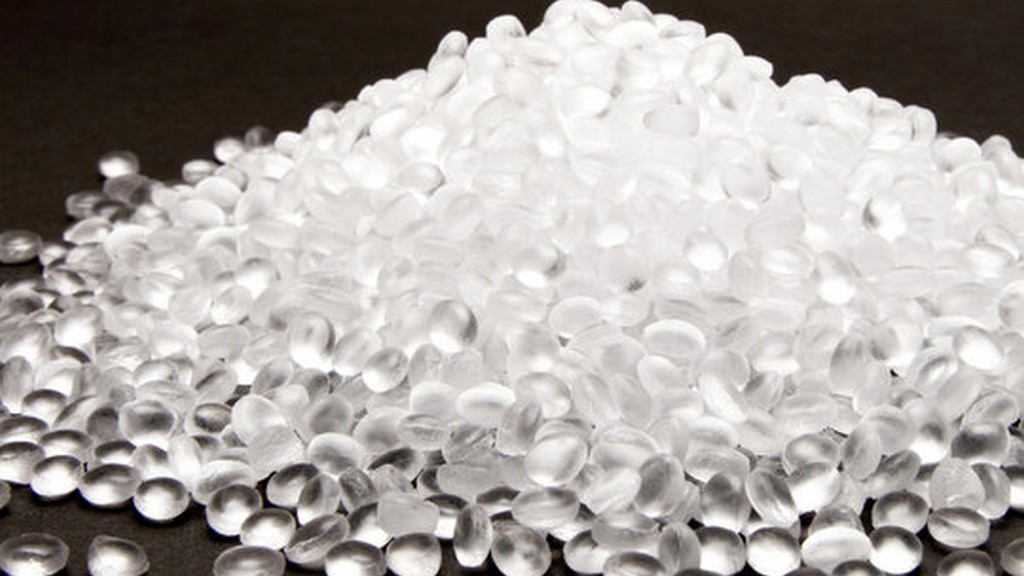
High-density polyethylene (HDPE) is a petroleum-based thermoplastic polymer. One of the most versatile plastic materials around, HDPE plastic is used in a wide variety of applications, including plastic bottles, cutting boards, and pipes. Known for its exceptional tensile strength and high strength-to-density ratio, HDPE plastic also possesses high impact resistance and melting point. Therefore, it also has extensive applications in the automotive industry.
High-density polyethylene sheets are designed to be low-maintenance, safe, and durable. One of the key benefits of this plastic material comes from its inherent workability. Due to its high melting point, HDPE remains rigid up to very high temperatures. However, once it reaches its melting point, it can be quickly and effectively molded for use in a variety of applications.
HDPE is also resistant to mould, mildew and rot. Durable and weatherproof, HDPE can withstand most strong mineral acids and bases and has excellent resistance to naturally occurring chemicals found in the soil.
Meanwhile, HDPE plastic is easily recyclable, helping to prevent non-biodegradable waste from ending up in landfills while helping to reduce plastic production by up to 50 percent. In short, it is an environmentally friendly material.
In the automotive industry, HDPE plastic is used in batteries, various tanks (oil, brake fluid, windshield washer fluid), interior coatings, bumpers, seats, storage compartments, upholstery and similar areas.
Among the numerous tests, measurements, analyses and evaluation studies carried out for businesses in various sectors, our organization also provides certification and testing services defined in the “VW TL 533 High density polyethylene - Requirements on materials” standard with its trained and expert staff and advanced technological equipment.
To get an appointment, to get more detailed information or to request an evaluation, you can ask us to fill in our form and reach you.

