

Developed by Ford Motor Company (Ford), the “Ford MA-0018 Odor Test for Automotive Materials” standard is an engineering materials testing method used to evaluate the odor properties of automotive interior materials and components. This standard primarily applies to materials used in vehicle passenger compartments where unpleasant odors can negatively impact customer satisfaction and perceived vehicle quality.
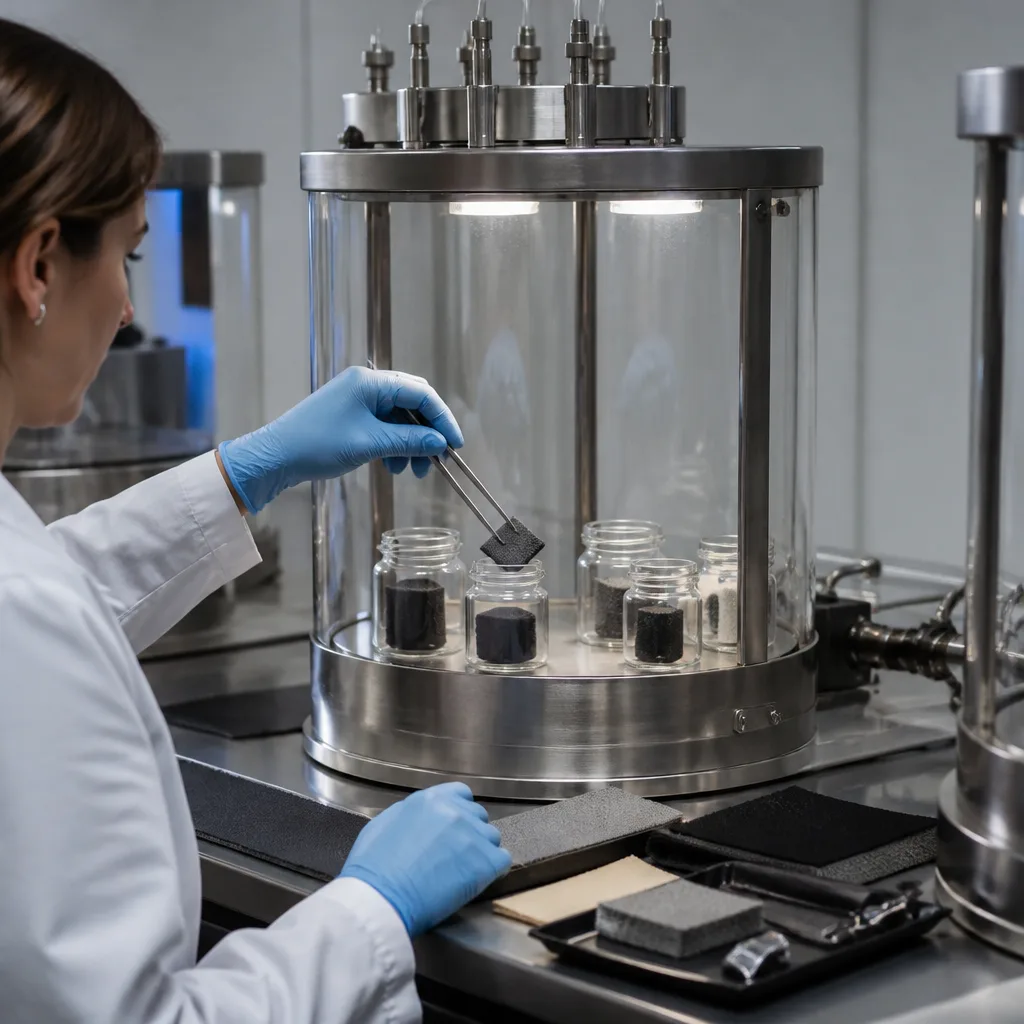
The Ford MA-0018 standard is described as an odor evaluation test typically applied to interior components such as seat belts, upholstery materials, plastics, textiles, foams, adhesives, and other cabin-related materials. The primary purpose of this standard is to determine whether a material emits odors with the following characteristics:
This test helps ensure that materials used in production, especially in new vehicles, do not lead to customer complaints about interior odors.
The Ford MA-0018 standard is applicable to the following materials:
These materials are often exposed to high temperatures inside a vehicle, which can increase the release of volatile compounds and associated odors.
The described test method essentially follows these steps:
This method focuses on human sensory perception rather than purely chemical analysis.
Typical evaluation criteria include:
Materials that receive a poor odor rating may need to be reformulated before approval.
The Ford MA-0018 test method differs from laboratory VOC measurements for the following reasons:
Ford MA-0018 VOC Emission Test
An ingredient may sometimes meet VOC requirements but fail the odor assessment if passengers detect an unpleasant smell.
Comparable odor evaluation methods are used across the automotive industry, and original equipment manufacturers have developed their own standards. These manufacturers recognize that odor performance is a significant aspect of interior comfort and perceived quality.
The Ford MA-0018 standard is required because it helps ensure that materials inside the vehicle do not create unpleasant odors that could negatively affect the customer's perception of quality, comfort, and safety. Vehicle occupants spend long hours inside the cabin, so odor control is a critical aspect of interior design and material selection. This standard is important for the following reasons:
These materials can release volatile substances, especially when exposed to heat. This standard identifies materials that may produce unacceptable odors before they are approved for production.
Tests conducted according to this standard help identify odor problems before vehicles reach customers.
Materials that meet this standard contribute to a more comfortable passenger environment.
This standard helps Ford ensure that materials meet these expectations while maintaining a high-quality interior environment.
In summary, the Ford MA-0018 standard is an odor assessment standard used to evaluate the odor properties of automotive materials and interior components. This standard helps maintain customer satisfaction, preserve interior quality, and support the approval of materials for manufacturing vehicles by ensuring that materials do not produce unpleasant odors under vehicle operating conditions.
For many years, our organization, with its competent and experienced team, has been understanding the needs of its customers, providing the advanced testing services they require, and assisting them in the establishment, implementation, and improvement of management systems. Within this framework, we also provide testing services compliant with the Ford MA-0018 standard.
To get an appointment, to get more detailed information or to request an evaluation, you can ask us to fill in our form and reach you.

