

The “Ford FLTM BO 162-01 Scratch and Abrasion Resistance” standard, developed by Ford Motor Company (Ford), describes a test method used to evaluate the scratch resistance, abrasion resistance, and whitening behavior of plastic and coated surfaces used in automotive applications. This standard is widely applied to interior and exterior vehicle components where surface appearance and durability are critical requirements.
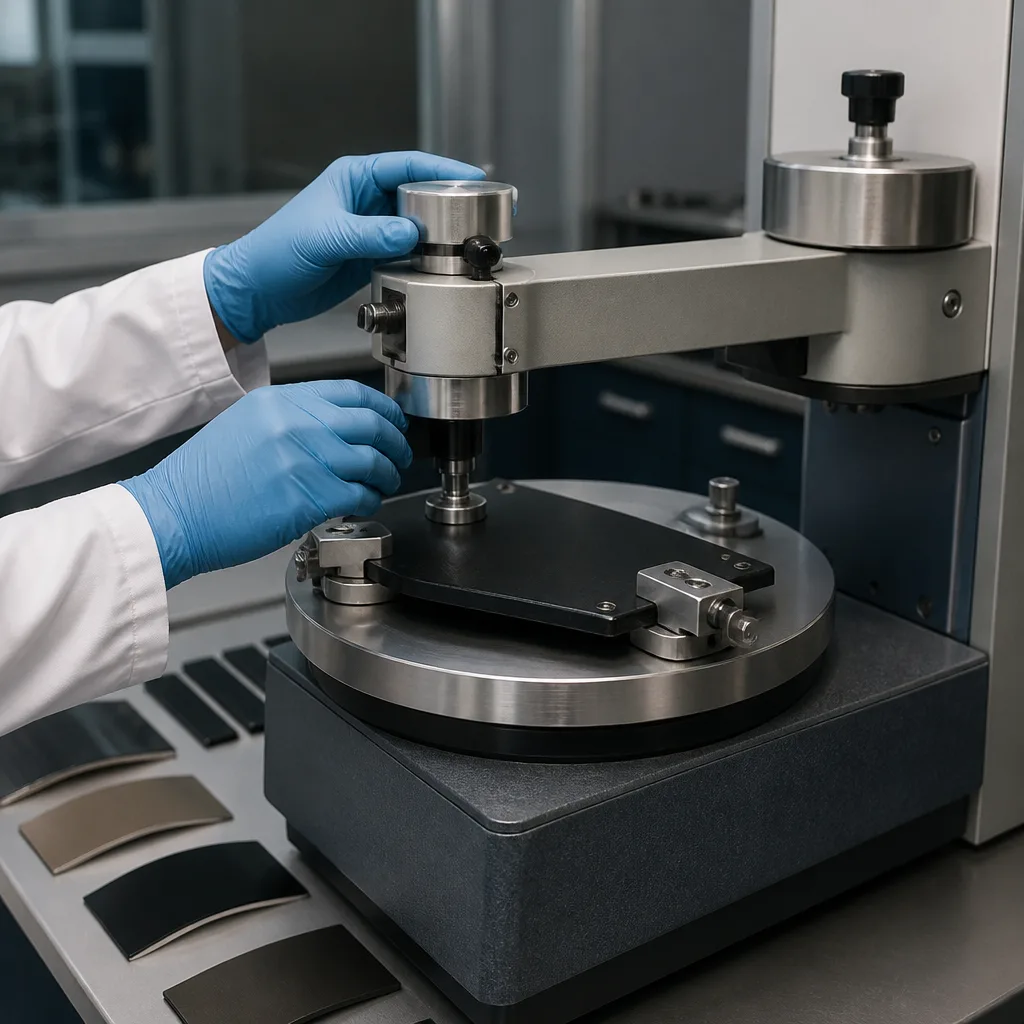
The primary purpose of the Ford FLTM BO 162-01 standard is to determine how well a material resists the following:
This method is applicable to plastics, painted plastics, decorative trim materials, and other automotive surfaces.
Ford developed this testing method to ensure that visible vehicle surfaces maintain their appearance throughout the vehicle's lifespan. This standard is commonly used in the following areas:
This procedure allows Ford engineering teams to define acceptance criteria based on the component's intended use and customer visibility.
In principle, this testing method involves applying a controlled scratch or damage procedure to the sample surface under standardized conditions. After the test, evaluators examine the surface from the following perspectives:
The results are compared to the predefined Ford performance requirements for the specific vehicle program.
Materials are generally evaluated according to the following criteria:
Acceptability limits may vary depending on the component's location and customer exposure.
This standard is commonly used in the following areas:
The Ford FLTM BO 162-01 standard is often used in conjunction with other Ford durability standards, such as those listed below:
Together, these tests confirm that automotive materials maintain their long-term durability and appearance.
The test method described in the Ford FLTM BO 162-01 standard helps manufacturers in the following areas:
According to the Ford FLTM BO 162-01 standard, a material that performs well is more likely to be resistant to visible wear from fingernails, keys, cleaning, luggage, and daily customer interaction.
The Ford FLTM BO 162-01 standard is important because it helps maintain the appearance and functionality of a car's interior and exterior surfaces throughout its lifespan. Modern vehicles contain numerous plastic and coated components that are frequently touched, cleaned, and subjected to wear. Even minor scratches or surface damage can significantly impact a customer's perception of vehicle quality. This standard is considered necessary for the following reasons:
These coatings can be particularly susceptible to scratches and abrasion. This standard helps verify that such premium materials remain durable enough for automotive use.
In short, the Ford FLTM BO 162-01 standard is a specialized automotive surface durability test that evaluates a material's resistance to scratch damage, abrasion, and whitening. It plays a vital role in qualifying plastic and coated automotive components and helps Ford ensure that vehicle surfaces maintain their appearance and customer appeal throughout the vehicle's lifespan.
For many years, our organization, with its competent and experienced staff, has been understanding the needs of its customers, providing the advanced testing services they require, and assisting them in the establishment, implementation, and improvement of management systems. Within this framework, we also provide testing services to businesses in accordance with the Ford FLTM BO 162-01 standard.
To get an appointment, to get more detailed information or to request an evaluation, you can ask us to fill in our form and reach you.

