

The "Mercedes-Benz DBL 1232 Thermoplastics for exterior applications" standard, developed by the Mercedes-Benz Group, describes the requirements for thermoplastic materials used in vehicle exterior applications that are converted into molded parts by injection molding.
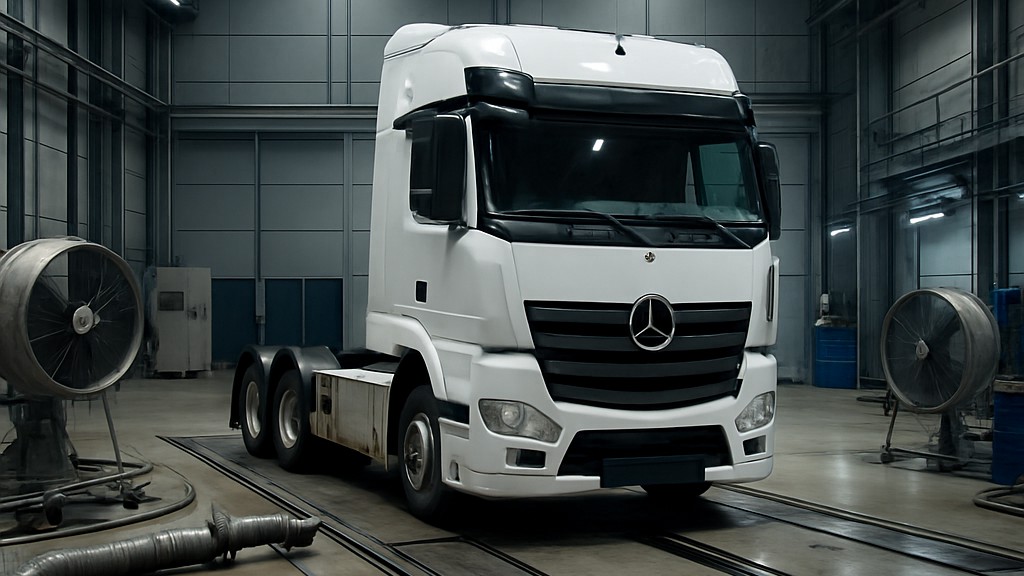
The DBL 1232 standard is a Mercedes-Benz (Daimler) company specification that includes requirements for plastic components used in vehicle exteriors, with a particular focus on parts made from recycled materials. This standard is part of the Mercedes-Benz Group's broader commitment to sustainability and quality in automotive manufacturing. It complements other standards, such as the DBL 5490 standard, which covers interior plastic components, and the DBL 1224 standard, which addresses thermoplastic materials more broadly.
The DBL 1232 standard ensures that exterior plastic components meet stringent quality, durability, and performance criteria suitable for automotive applications. Focusing on recycled materials, this standard promotes environmental sustainability while maintaining the high standards expected of Mercedes-Benz vehicles. The primary objectives of this standard are:
The DBL 1232 standard specifies the following basic requirements for external plastic components:
Testing under the DBL 1232 standard includes a comprehensive set of procedures to ensure component reliability. A wide range of test methods are available covering material properties:
These tests ensure that recycled materials perform as well as virgin materials in demanding applications.
Meanwhile, the DBL 1232 standard is closely related to other Mercedes-Benz Group standards:
The adoption of the DBL 1232 standard reflects the Mercedes-Benz Group's commitment to sustainability by promoting the use of recycled materials in automotive production. This approach aligns with global automotive trends toward environmentally friendly production and circular economy principles. The standard also benefits suppliers by providing clear, standardized requirements, streamlining production and testing processes. For customers, it ensures that recycled materials do not compromise the quality, safety, or aesthetics of vehicles.
By prioritizing recycled thermoplastics, this standard supports the Mercedes-Benz Group's sustainability initiatives, reducing the demand for virgin plastics and minimizing waste.
The DBL 1232 standard sets stringent requirements for recycled thermoplastic components used in vehicle exteriors, ensuring durability, performance and environmental responsibility.
In summary, the DBL 1232 standard is considered important for the following reasons:
Consequently, the DBL 1232 standard is a critical component of the Mercedes-Benz Group's material specifications, ensuring that recycled thermoplastic components for vehicle exteriors meet high quality and performance standards. Integrating sustainability with automotive excellence, this standard promotes environmentally responsible production without compromising durability or functionality. Suppliers and test laboratories play a vital role in maintaining these standards, contributing to the reliability and reputation of Mercedes-Benz vehicles worldwide.
Our organization, which has been operating for many years and meticulously follows global developments in science and technology, employs a skilled team and extensive infrastructure to conduct testing, measurement, and analysis in a wide range of areas for businesses across all sectors. In this context, we also provide testing services in accordance with the "Mercedes-Benz DBL 1232 Thermoplastics for Outdoor Applications" standard.
To get an appointment, to get more detailed information or to request an evaluation, you can ask us to fill in our form and reach you.

