

The standard "BMW EG 530 HC emission measurement on components - General information," developed by BMW, a multinational vehicle manufacturer, contains general information on measuring HC emissions on components. The part description aims to identify emission-critical materials at an early stage. In this standard, the parts list is supplemented with material details for the test parts or test scope. The part description is used for documentation of the test parts and report generation.
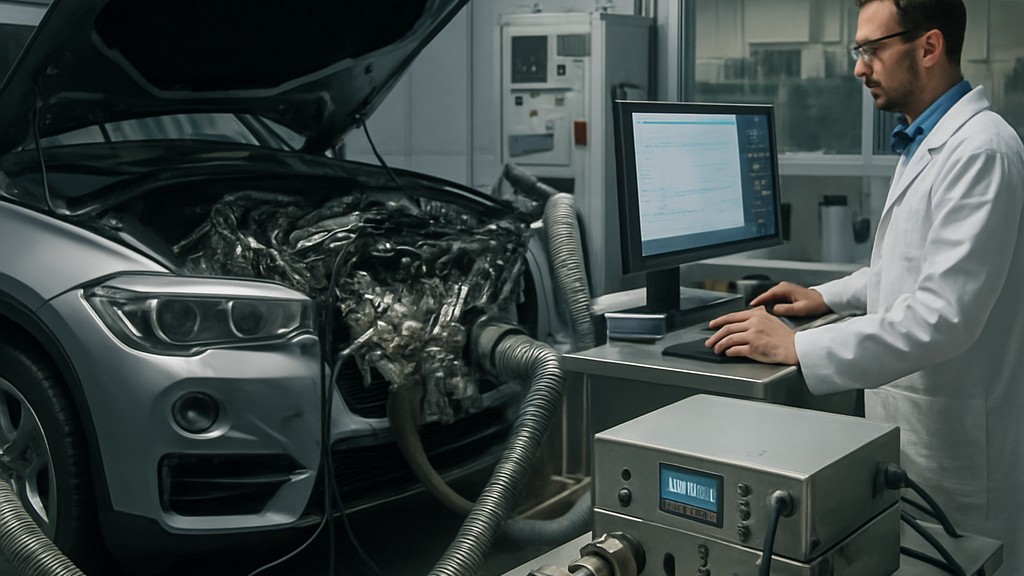
This standard defines the test methods, delivery conditions, packaging, and delivery of test samples. Test methods/standards include:
Number of test samples / sample volume: The scope of inspection can be found in the regulations (technical standards, group standards, quality standards and technical specifications).
Sampling: Measurement is always performed on new parts. Sampling should be performed after the last processing step, during the stable operating process (i.e., not at the beginning of the process).
Packaging: Test samples should be wrapped in composite aluminum foil according to DIN 55531 type 1 heavy-duty standard within 2-8 hours after the final processing step. Care should be taken to prevent damage to the foil during transport.
Emission testing is conducted by the supplier at external institutes. For this purpose, the supplier's completed BMW HC emissions data sheet is submitted to the testing institute and BMW. The supplier instructs the institute to transmit the results in BMW Excel format to the BMW exchange server. The supplier receives the results from the institute as a PDF file without any evaluation. BMW evaluates the results. The supplier receives a test report as a PDF document.
For emission measurements, the packaging foil must comply with DIN 55531-1. Other permitted descriptions are:
A tong welding machine from Rische + Herfurth GmbH (Type 600 D or smaller) is suitable as a foil sealing device, for example.
The list of external organisations whose results are approved by BMW is included in the standard.
Hydrocarbon (HC) emissions refer to unburned or partially burned fuel molecules released from internal combustion engines, primarily found in vehicle exhaust. They are a significant pollutant in automotive and industrial engine testing, contributing to smog and air quality problems. Component-level measurement typically refers to the assessment of HC emissions from individual engine components (e.g., cylinders, injectors, or valves) or during component-level testing, as opposed to measurements from the entire vehicle's exhaust pipe. This is common in engine development, diagnostics, and regulatory compliance to isolate issues such as incomplete combustion in specific areas.
HC can be regulated as total hydrocarbons or non-methane hydrocarbons, which are typically measured along with carbon monoxide, nitrogen oxides, particulate matter, and carbon dioxide. High HC levels indicate problems such as poor ignition, fuel delivery errors, or cold-start inefficiencies.
HC measurement in components is necessary for the following reasons:
HC is typically measured in parts per million (ppm) or grams per kilowatt-hour (g/kWh). Measurements are made on engine dynamometers (for isolated components) or chassis dynamometers (for integrated systems). Common methods for measuring HC emissions include:
Measurements follow standardized cycles to simulate component loads. For cold starts, where HC spikes occur due to poor evaporation, specialized protocols use hot canisters to capture and analyze samples.
Our organization, with its competent and experienced team, has been understanding the needs of its customers for years, providing them with the advanced testing services they need, and assisting them in the establishment, implementation, and improvement of management systems. In this context, we also provide testing services in accordance with the "BMW EG 530 Component HC Emission Measurement - General Information" standard.
To get an appointment, to get more detailed information or to request an evaluation, you can ask us to fill in our form and reach you.

