

Developed by BMW, a multinational vehicle manufacturer, the “BMW PR 100 Test Specification for Pillar Trim/Body Trim and Related Interior Components” standard describes procedures for evaluating the quality, durability, and performance of interior and exterior automotive components, particularly trim pieces and pillar covers. This standard is part of a series of process requirements or product requirements standards that include rigorous testing protocols that suppliers and test laboratories must follow to ensure parts meet BMW’s high standards for vehicles. Unlike, for example, ISO or DIN standards, these standards are specific to BMW but are widely referenced in the automotive supply chain and by independent testing facilities.
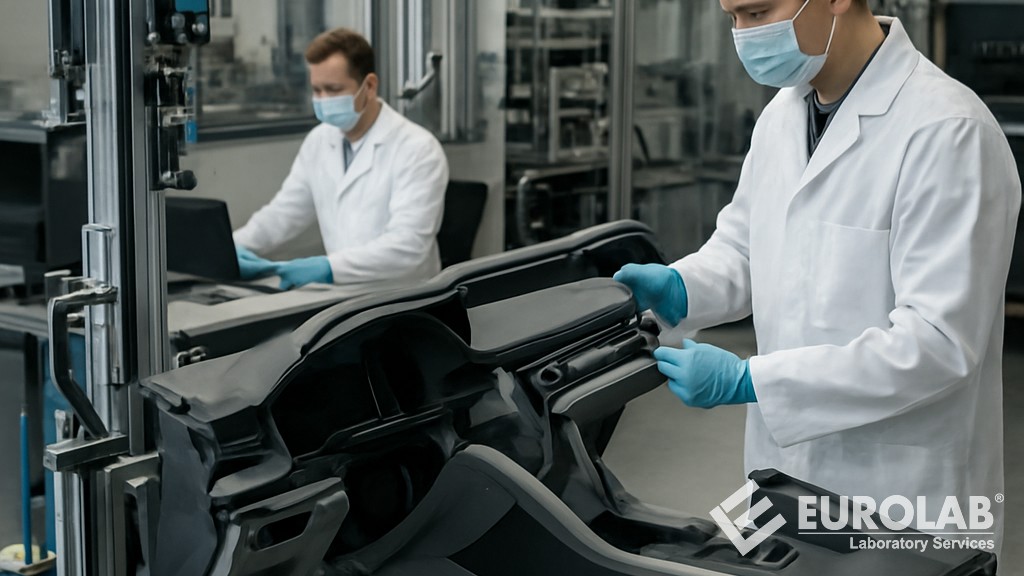
The BMW PR 100 standard includes multiple sub-sections focusing on different aspects of component verification. Common examples include:
This test evaluates the stiffness (rigidity or resistance to deformation) of the part under applied load or force. This test ensures that the trim piece maintains adequate structural integrity, resists excessive flexing during normal use, assembly, or in scenarios such as minor impacts or passenger contact, and meets BMW's quality requirements in terms of fit, feel, durability, and safety performance.
Tests typically assess the following:
This ensures that visible and structural interior and exterior trim components meet BMW's superior standards of quality, safety, and durability before being approved for series production.
This standard covers both the top and bottom of vertical interior panels (typically fabric-covered, plastic, or composite) and ensures they meet rigorous standards in the following areas:
These tests ensure that interior trim components such as pillar covers, consoles, and protective elements function reliably throughout the vehicle's lifespan, contributing to safety, aesthetics, and overall build quality.
BMW is renowned for its superior engineering, and standards like BMW PR 100 ensure consistency among global suppliers. Independent laboratories offer accredited testing according to these standards. Suppliers must pass these tests for the purpose of approving parts for production vehicles.
Briefly,
All of these are part of BMW’s internal quality assurance for suppliers, ensuring the pillar trim contributes to vehicle safety, noise/vibration/harshness characteristics, longevity, and a superior feel.
Consequently, the BMW PR 100 standard is deemed necessary because pillar trim panels and pillar covers are critical internal components in BMW vehicles that directly affect vehicle safety, long-term durability, perceived superior quality, and regulatory compliance.
Column claddings are not merely cosmetic; they serve multiple functional roles:
For many years, our organization, with its competent and experienced staff, has been understanding the needs of its clients, providing the advanced testing services they require, and assisting in the establishment, implementation, and improvement of management systems. Within this framework, we also provide testing services to businesses in accordance with the "BMW PR 100 Test Specification for Pillar Cladding/Body Cladding and Related Interior Components" standard.
To get an appointment, to get more detailed information or to request an evaluation, you can ask us to fill in our form and reach you.

