

Developed by the Daimler-Benz automotive company, the “Daimler PAPP PWT 7328 Sunscreen Resistance of Interior Materials” standard is a materials testing standard designed to evaluate the sunscreen resistance of vehicle interior materials.
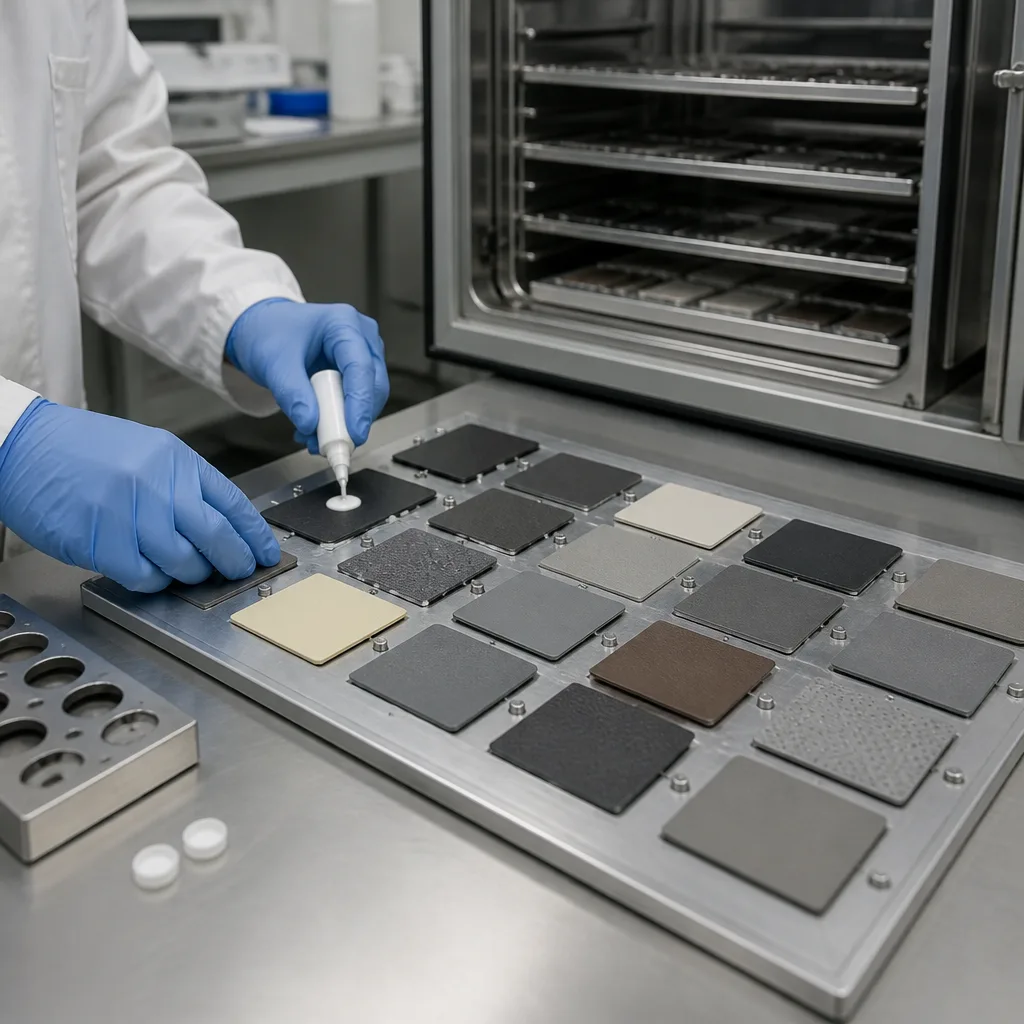
Modern vehicles expose interior surfaces such as seats, instrument panels, door panels, and upholstery to a variety of consumer products. Sunscreen is one of the most common, as it transfers from skin to surfaces in hot weather or during holidays. This standard ensures that materials such as leather, coated textiles, plastics, elastomers, and foils do not degrade, discolor, swell, or lose their physical properties when exposed to typical sunscreen formulations.
This standard is part of Daimler’s broader quality and durability requirements for interior components to maintain long-term appearance, safety, and customer satisfaction.
The following are evaluated using the described test method:
In general, the testing method follows these steps:
Once the test is complete, the following general assessment is made:
Other original equipment manufacturers have also developed their own internal standards (e.g., GMW 14445, PV 3964). This reflects the industry-wide concern regarding chemical resistance in vehicle interiors.
Determining the sunscreen resistance of interior materials is important in the automotive industry for the following reasons:
This standard is one of many Daimler standards covering mechanical, chemical, and environmental stresses on vehicle components.
In short, the Daimler PAPP PWT 7328 standard focuses on a topic that is becoming increasingly important in modern automotive design: how interior materials react when exposed to sunscreens and cosmetic chemicals.
Automotive interiors are constantly exposed to substances transferred from passengers' skin and clothing. Sunscreens contain oils, UV filters, emulsifiers, and solvents that can damage surfaces over time. Manufacturers have observed the following problems in this regard:
Luxury brands like the Mercedes-Benz Group require rigorous durability testing, as their premium interiors must maintain their appearance and durability for many years under real-world usage conditions.
The method described in the PAPP PWT 7328 standard applies to various categories of automotive interior materials, including:
These materials are commonly used in the following areas:
This test is often integrated into broader automotive validation programs for interior durability.
The PAPP PWT 7329 standard has become more important for the following reasons:
Modern UV filter chemicals can aggressively attack polymers and coatings, especially under heat. In parked vehicles, cabin temperatures can exceed 70 degrees Celsius, accelerating chemical interaction between sunscreen and interior materials. As a result, the PAPP PWT 7328 standard is now considered part of advanced automotive material compatibility testing.
The Daimler PAPP PWT 7328 standard is often referenced alongside other Daimler interior material specifications, including the following:
Together, these standards form part of Daimler’s quality control framework for premium automotive interiors.
In conclusion, the Daimler PAPP PWT 7328 standard is a specialized automotive material testing specification designed to evaluate how resistant interior surfaces are to exposure to sunscreen chemicals. It reflects the automotive industry's increasing emphasis on long-term durability, chemical resistance, and luxury interior quality.
Despite being highly technical and primarily used in original equipment manufacturers' supply networks, this standard plays a critical role in ensuring that vehicle interiors maintain their appearance and performance in everyday consumer use.
For many years, our organization, with its competent and experienced team, has been understanding the needs of its clients, providing the advanced testing services they require, and assisting them in the establishment, implementation, and improvement of management systems. Within this framework, we also provide testing services compliant with the Daimler PAPP PWT 7328 standard.
To get an appointment, to get more detailed information or to request an evaluation, you can ask us to fill in our form and reach you.

