

The “Ford FLTM BO 111-02 Indent and Rebound Test” standard, developed by Ford Motor Company (Ford), describes a test method used to evaluate the indent and rebound properties of soft interior composite systems. This standard measures how well an automotive interior material recovers its original shape after being subjected to compressive loading or indentation. The described method is typically applied to materials such as polyurethane foam components, instrument panel trims, armrests, door trim pads, consoles, and other soft-touch interior components.
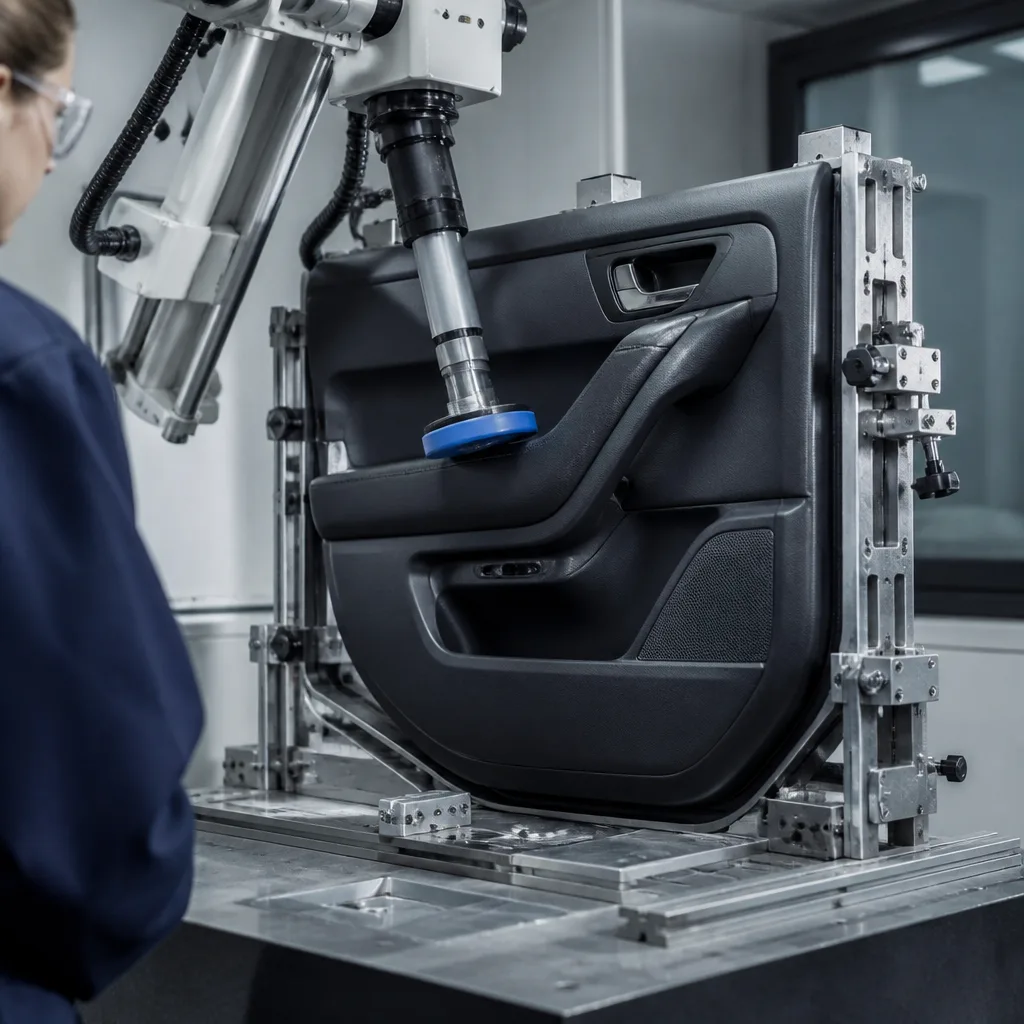
The primary purpose of the Ford FLTM BO 111-02 standard is to define the following:
In general, this testing method follows these steps:
This method simulates real-world conditions where passengers inside a vehicle repeatedly press down, lean against, or rest their heads on interior surfaces.
Materials typically evaluated with Ford FLTM BO 111-02 include:
This standard helps engineers evaluate the following:
These features directly affect vehicle quality and customer satisfaction.
Manufacturers use the Ford FLTM BO 111-02 standard in the following situations:
This method ensures that soft interior components retain their appearance and feel throughout the vehicle's lifespan.
The Ford FLTM BO 111-02 standard belongs to the following group of Ford interior material performance tests:
Taken together, these methods provide a comprehensive assessment of the comfort, durability, and aesthetics of automotive interior materials.
The Ford FLTM BO 111-02 standard is considered important because it verifies that soft interior materials can withstand daily use without permanent sagging or loss of comfort. This standard is necessary for the following reasons:
This information helps engineers select materials that can withstand years of use.
Tests conducted according to this standard identify potential problems with materials before they are approved for production.
Suppliers must demonstrate that their materials meet recovery and durability requirements before being used in Ford vehicles.
Laboratory data closely reflects actual vehicle performance.
In short, the Ford FLTM BO 111-02 standard is important because it ensures that soft interior components maintain their shape, comfort, durability, and appearance after repeated compression during normal vehicle use. This standard helps Ford offer interiors that remain attractive and comfortable throughout the vehicle's lifespan, while reducing quality issues and warranty costs.
In conclusion, the Ford FLTM BO 111-02 standard is an important durability and comfort assessment method for automotive interior materials. This standard helps ensure vehicle interiors remain attractive, comfortable, and functional throughout their lifespan by measuring how effectively soft upholstery systems recover after being crushed. It is particularly valuable for verifying foams and soft-touch composite components that passengers repeatedly come into contact with.
For many years, our organization, with its competent and experienced staff, has been understanding the needs of its customers, providing the advanced testing services they require, and assisting them in the establishment, implementation, and improvement of management systems. Within this framework, we also provide testing services to businesses in accordance with the Ford FLTM BO 111-02 standard.
To get an appointment, to get more detailed information or to request an evaluation, you can ask us to fill in our form and reach you.

