

The TSM 0501G standard, developed by Toyota , describes standard test methods for composite-reinforced polypropylene molding materials used in vehicle production.
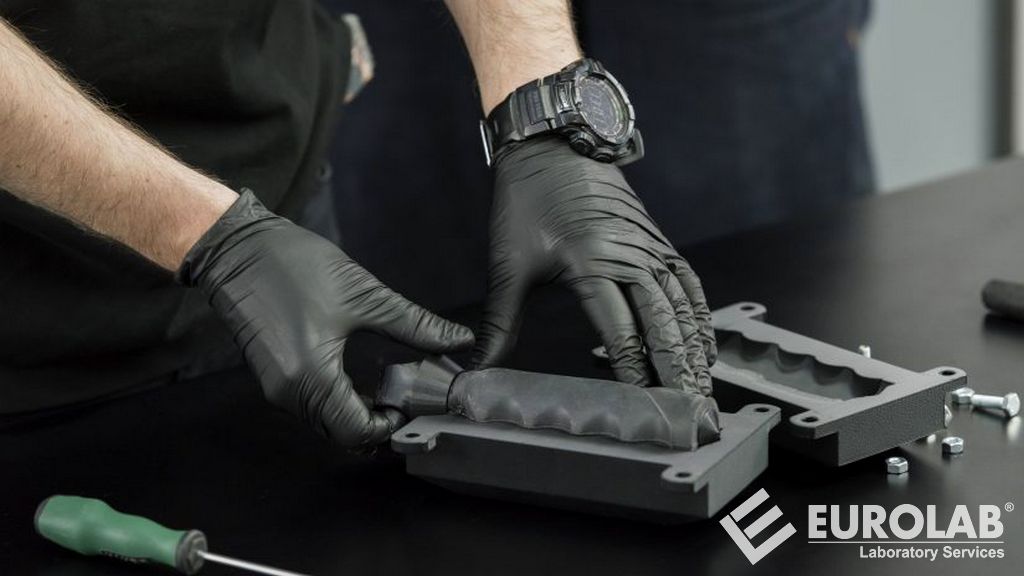
Plastic forming is the use of the plasticity of the material under the external force of the tool and mold to process the workpiece with less or no cutting action. There are many types of plastic forming, such as forging, rolling, extrusion, drawing, stamping and so on.
The plastic shaping process typically involves melting, forming, and solidifying steps. For example, polyethylene pellets are heated above a certain level to make the final product dimensionally stable, placed in a mold under pressure, and cooled below a certain level. Thermoplastics are generally solidified by cooling below specific values. Thermosets are solidified by heating to carry out the necessary chemical reactions for network formation.
Product designers use many ways to create plastics for commercial and industrial use to meet specific applications. These methods have been around for a long time, but they all still go through a process of continuous improvement to increase speed, reduce cost, and improve quality. The six most common plastic forming methods are: plastic injection molding, reaction injection molding, rotational molding, extrusion blow molding, injection blow molding, and vacuum casting. The plastic injection molding method, which is the ancestor of these methods, is still indispensable for medical equipment, aerospace, automotive and consumer goods. With this process, the plastic is melted and then injected into a mold under high pressure. Here the material is cooled, solidified and then released by opening the two halves of the mold.
The reaction injection molding method, on the other hand, is widely applied in the automotive industry as light parts are produced. The hard coating on these parts is easily painted to produce body panels, dashboards and other components. Unlike injection molding, reaction injection molding uses thermoset polymers, not thermoplastics.
Our organization also provides standard testing services for plastic mold materials used in the production of vehicles, within the scope of the TSM 0501G standard, with its trained and expert staff and advanced technological equipment, among the numerous test, measurement, analysis and evaluation studies it provides for businesses in various sectors.
To get an appointment, to get more detailed information or to request an evaluation, you can ask us to fill in our form and reach you.

