

Designed by Volvo, the Volvo VCS 1027, 2769 standard involves the determination of volatile organic compounds emitted from vehicle components/systems and the evaluation of odor using a 1 m³ emission chamber.
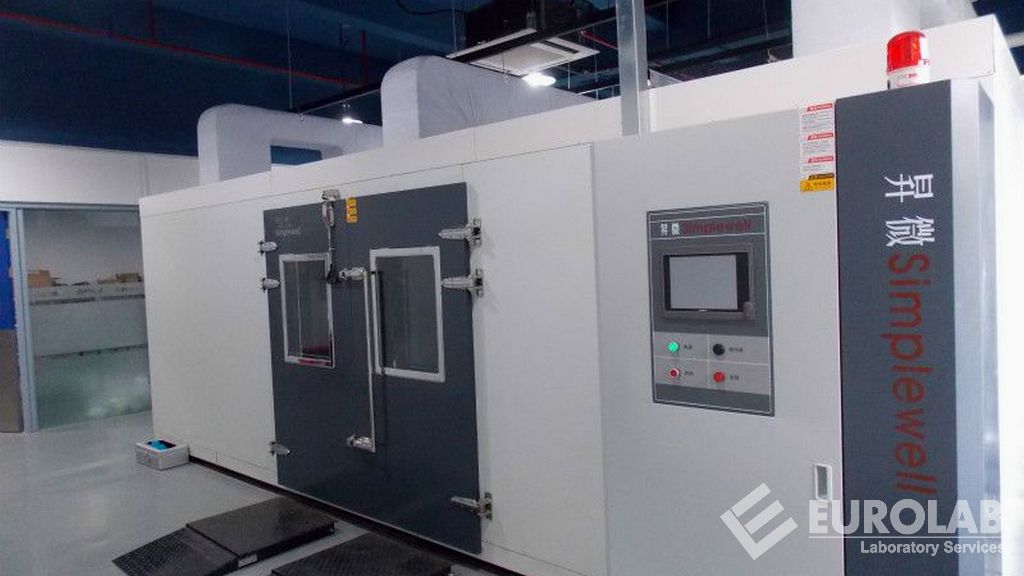
In this test method, gaseous volatile organic compounds (VOC) emitted from samples are captured and identified. The 1 m3 VOC emission test chamber used in the tests is widely used in the automotive industry and fully complies with European and international requirements as well as specific manufacturer standards.
Another standard based on this issue is the ISO 12219-4 standard developed by the International Standards Institute (ISO) (ISO 12219-4 Indoor air of road vehicles - Part 4: Method for determining emissions of volatile organic compounds from vehicle interior parts and materials - Small room
The small emission test chamber defined in the Volvo VCS 1027, 2769 standard provides a qualitative and quantitative analytical test for vapor phase organic compounds (volatile and some semi-volatile compounds) released from automobile interior materials under simulated real use conditions. This test method is intended to evaluate new car interior trim components, but in principle it also applies to used car components.
Target compounds have traditionally been volatile organic compounds in the n-hexane to n-hexadecane volatility range and volatile carbonyl compounds such as formaldehyde.
This standard provides an approach to third-party testing labs and the manufacturing industry to:
Among the numerous test, measurement, analysis and evaluation studies it has given for businesses in various sectors, our organization, with its trained and expert staff and advanced technological equipment, within the scope of Volvo VCS 1027, 2769 standard, using 1 m3 emission room, volatile organic organic matter emitted from in-vehicle components / systems. It also provides testing services for the determination of substances.
To get an appointment, to get more detailed information or to request an evaluation, you can ask us to fill in our form and reach you.

