BMW AAP 194 Chemical Resistance Test of Surfaces
Developed by BMW, a multinational vehicle manufacturer, the “BMW AAP 194 Chemical Resistance Test of Surfaces” standard is an internal test specification designed to evaluate the chemical resistance of surfaces in automotive parts and components. It is widely referenced in the automotive industry, particularly during vehicle development and production, for quality assurance, supplier approvals, and material verification.
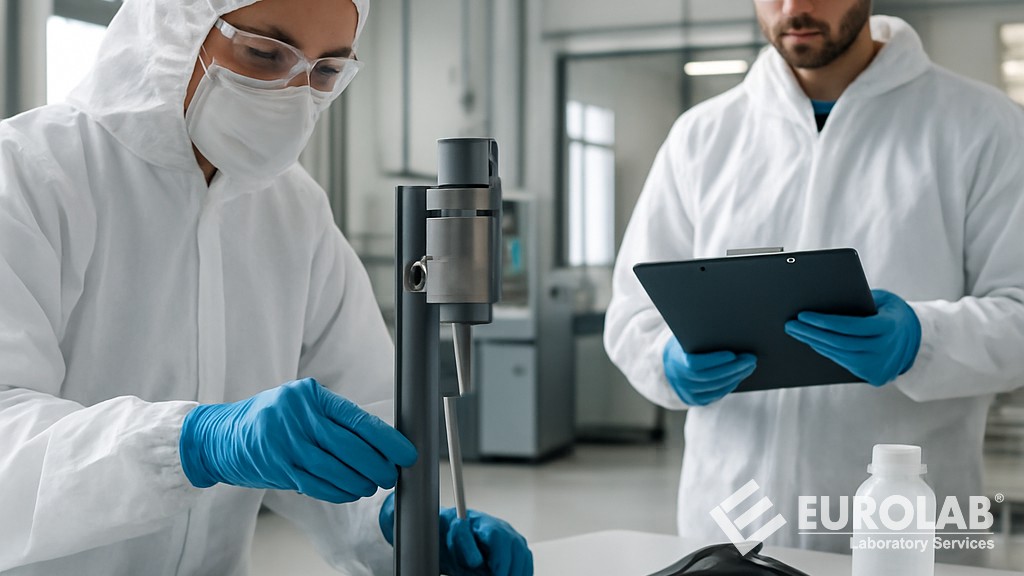
This standard defines methods for evaluating how well painted, coated, plastic, or other surface materials (on exterior and interior parts) withstand exposure to a variety of chemicals commonly encountered in automotive environments. These include:
- Fuels (gasoline/gas, diesel)
- Oils and lubricants
- Brake fluids
- Cleaning agents and detergents
- Road salt solutions
- Bird droppings, tree resin, or other corrosive substances such as cosmetic products (for example, sunscreens with certain relevant properties)
The purpose of this standard is to ensure long-term durability and prevent problems such as the following:
- Color fading or discoloration
- Loss of brightness
- Swelling, cracking, blistering, or peeling
- Softening of materials
- Loss of adhesion or corrosion protection
Maintaining these features is critical for both functional performance and aesthetic quality throughout the vehicle's lifespan.
This standard is typically listed along with methods specifying different exposure conditions, contact times, temperatures, or application techniques (e.g., dipping, drip application, or wiping). It is also grouped with other BMW test specifications such as:
- BMW AA 0224 Cyclic corrosion test
- BMW AA 0055 Surface resistance test against chemicals.
- BMW AAP 177 Cross-scan adhesion test
- Determining the resistance of the BMW AAP 192 multi-impact stone chip.
- BMW AAP 224 Condensate water constant atmosphere test
- BMW AAP 225 CASS - Copper accelerated acetic acid salt spray
These tests are typically performed by BMW-approved or independently accredited laboratories familiar with original equipment manufacturer requirements.
The typical test procedure follows these steps:
- Preparation of standardized test specimens (e.g., coated panels or actual parts).
- The surface is exposed to specified chemicals under controlled conditions (duration, temperature, concentration).
- Cleaning or removal of residues after exposure.
- Evaluating the changes:
- Visual inspection
- Brightness measurement (reflectometer)
- Color change (color difference detected by spectrophotometer)
- Adhesion tests (e.g., cross-screening)
- Blistering, peeling, or other defects are not permitted within the specified limits.
- The acceptance criteria are strict, and there are maximum permitted changes in appearance, features, or performance.
The areas of application of this standard are:
- Exterior paint systems (body panels, bumpers)
- Interior upholstery (plastics, leather, textiles)
- Under-hood / engine compartment components
- Supplier qualification certificate for parts delivered to BMW assembly plants.
The BMW AAP 194 standard is necessary because modern vehicles are constantly exposed to a wide variety of aggressive chemicals in real-world use, and surfaces (paints, coatings, plastics, and upholstery) can deteriorate prematurely without rigorous standardized testing. This can lead to costly warranty claims, safety issues, lower resale value, and damage to brand reputation.
The main reasons why this standard is important are as follows:
- Daily chemical exposure in automotive environments: Vehicles encounter many substances that can damage surfaces:
- Fuels (gasoline, diesel, E10/E85 blends)
- Oils, greases and lubricants (engine, transmission, brake fluids)
- Cleaning products (car wash chemicals, interior cleaners, detailing products)
- Road de-icing salts and environmental pollutants
- Cosmetics (sunscreen, traveler's hand lotion)
- Other liquids (coolants, in rare cases battery acid leaks, bird droppings, tree sap)
These contacts occur repeatedly over a vehicle's 10-15 year lifespan. Without proven resistance, painted exterior surfaces can discolor, lose their shine, swell, crack, blister, or peel; interior plastics can soften, crack, or change color, and protective coatings can degrade, exposing the underlying metal to accelerated corrosion.
- Preservation of basic functions:
- Aesthetic durability: Maintaining a flawless appearance (high gloss, consistent color, absence of visible defects) is critical to customer satisfaction and perceived quality.
- Protective function: Exterior coatings protect the body from corrosion; if chemicals damage the paint or varnish, rust can develop more quickly, especially on high-value aluminum or steel panels.
- Functional integrity: Interior and under-hood components must maintain their mechanical properties (e.g., gaskets/seal elements must not soften or trim must not lose adhesion) to prevent failures such as leaks, squeaking, or reduced component lifespan.
- Preventing costly field failures: Premature failure leads to:
- High warranty repair costs (repainting panels, replacing upholstery)
- Customer dissatisfaction and negative reviews.
- Potential safety risks (e.g., restricted visibility due to damaged windshields or compromised interior surfaces)
- Brand damage in a competitive environment
- By applying this standard in its development and supplier qualification processes, BMW ensures that materials survive simulated worst-case exposures without unacceptable changes (e.g., no visible defects, color shift below strict limits, no loss of adhesion).
- Supplier quality control and global consistency: BMW sources parts worldwide. This standard provides a clear and repeatable benchmark so that suppliers can verify materials before production. This is consistent with BMW's overall durability requirements.
In conclusion, the BMW AAP 194 standard is not optional; it is a fundamental quality control point that protects BMW’s reputation for engineering excellence, minimizes long-term costs, and ensures the vehicle withstands real-world chemical corrosion without compromising its aesthetics, protection, or functionality.
For many years, our organization, with its competent and experienced team, has been understanding the needs of its clients, providing the advanced testing services they require, and assisting them in the establishment, implementation, and improvement of management systems. Within this framework, we also provide testing services in accordance with the BMW AAP 194 standard.



