

The “Mercedes-Benz DBL 5450 Supply Specification for Foamed Flexible Polyurethane-Based Cellular Plastics” standard, developed by Daimler, the owner of the Mercedes-Benz brand, describes the technical requirements and test methods for foamed flexible polyurethane (PUR)-based cellular plastics used in automotive interior applications.
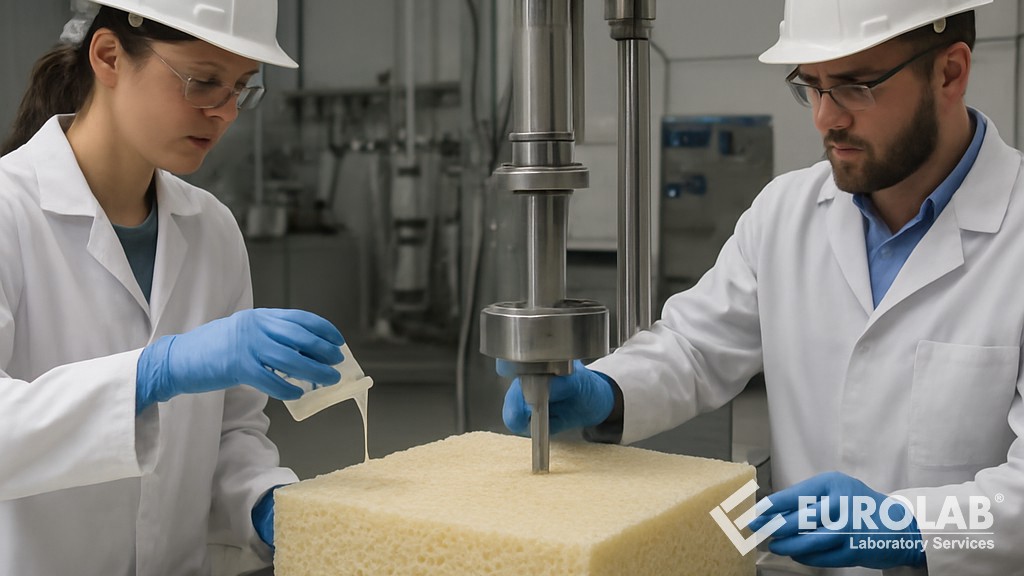
This standard covers the quality, performance, and material specifications that suppliers must meet when delivering flexible polyurethane foams to Mercedes-Benz or its sub-suppliers. These foams are commonly found in vehicle interiors in components such as:
This specification guarantees that the materials provide comfort, durability, safety, and compliance with strict environmental and health standards in the vehicle cabin.
The Mercedes-Benz DBL 5450 standard emphasizes the following key aspects:
This is usually closely linked to relevant standards such as DBL 5430 (general indoor emissions and odors) or VDA 278 (test methods).
Many suppliers promote their products by emphasizing full compliance with the Mercedes-Benz DBL 5450 standard. This is often offered in conjunction with low-emission polyether-based formulations.
Mercedes-Benz maintains some of the strictest material standards in the premium automotive sector, particularly regarding interior air quality and long-term material reliability. Compliance with the DBL 5450 standard is mandatory for PUR foam parts supplied for Mercedes vehicles. Accredited testing laboratories offer tests that meet this standard.
Foam manufacturers explicitly refer to DBL 5450 standard compliance in their automotive product portfolios, particularly for low-emission, hydrolysis-resistant ether-based foams used in headliners and seats.
The Mercedes-Benz DBL 5450 standard is important for many reasons in the context of vehicle manufacturing and the wider premium automotive industry. As a stringent supply specification for flexible polyurethane (PUR) foams used in interiors (e.g., headliners, seats, armrests, and acoustic elements), it directly impacts vehicle quality, customer satisfaction, regulatory compliance, and long-term durability. The main reasons why this standard is considered important are:
Especially in premium vehicles where passengers spend a significant amount of time, it reduces the potential health risks of prolonged exposure to airborne chemicals. Many suppliers highlight low-emission and odorless foams explicitly certified according to this standard as a competitive advantage.
Poor hydrolysis resistance can lead to foam crumbling, sagging seats and headliner, or layer separation. These problems result in costly warranty claims and damage to brand reputation. Compliance ensures that Mercedes interiors remain comfortable and premium for much longer than average.
In conclusion, the Mercedes-Benz DBL 5450 standard is not merely a technical procedure, but a fundamental requirement that helps Mercedes-Benz produce vehicles offering superior perceived quality, passenger well-being, and reliability. Failure to meet it can completely prevent a material from being used in Mercedes models, making it a critical gatekeeper in the supply chain.
For many years, our organization, with its competent and experienced staff, has been understanding the needs of its customers, providing the advanced testing services they require, and assisting them in the establishment, implementation, and improvement of management systems. Within this framework, we also provide testing services to businesses in accordance with the "Mercedes-Benz DBL 5450 Supply Specification for Flexible Polyurethane-Based Cellular Plastics Foam" standard.
To get an appointment, to get more detailed information or to request an evaluation, you can ask us to fill in our form and reach you.

