

Ford FLTM BN 162-01 Bally Elasticity Test for Automotive Seat Cover Materials

Ford FLTM BN 162-01 Bally Elasticity Test for Automotive Seat Cover Materials

The “Ford FLTM BN 162-01 Bally Flexibility Test for Automotive Seat Cover Materials” standard, developed by Ford Motor Company (Ford), describes a test method used to evaluate the flexural durability of automotive seat cover materials. This standard is designed to determine how well upholstery materials withstand repeated bending and stretching throughout the vehicle's lifespan.
Ford FLTM BN 162-01 Bally Elasticity Test for Automotive Seat Cover Materials

Automotive seat materials are constantly subjected to stretching as passengers get in, out, and move around while seated. Over time, these repetitive stresses can cause:

  • Surface cracking
  • Peeling of coatings
  • Loss of sight
  • Material fatigue
  • Premature wear

The Ford FLTM BN 162-01 standard simulates these conditions in controlled laboratory settings to evaluate the long-term durability of seat upholstery materials.

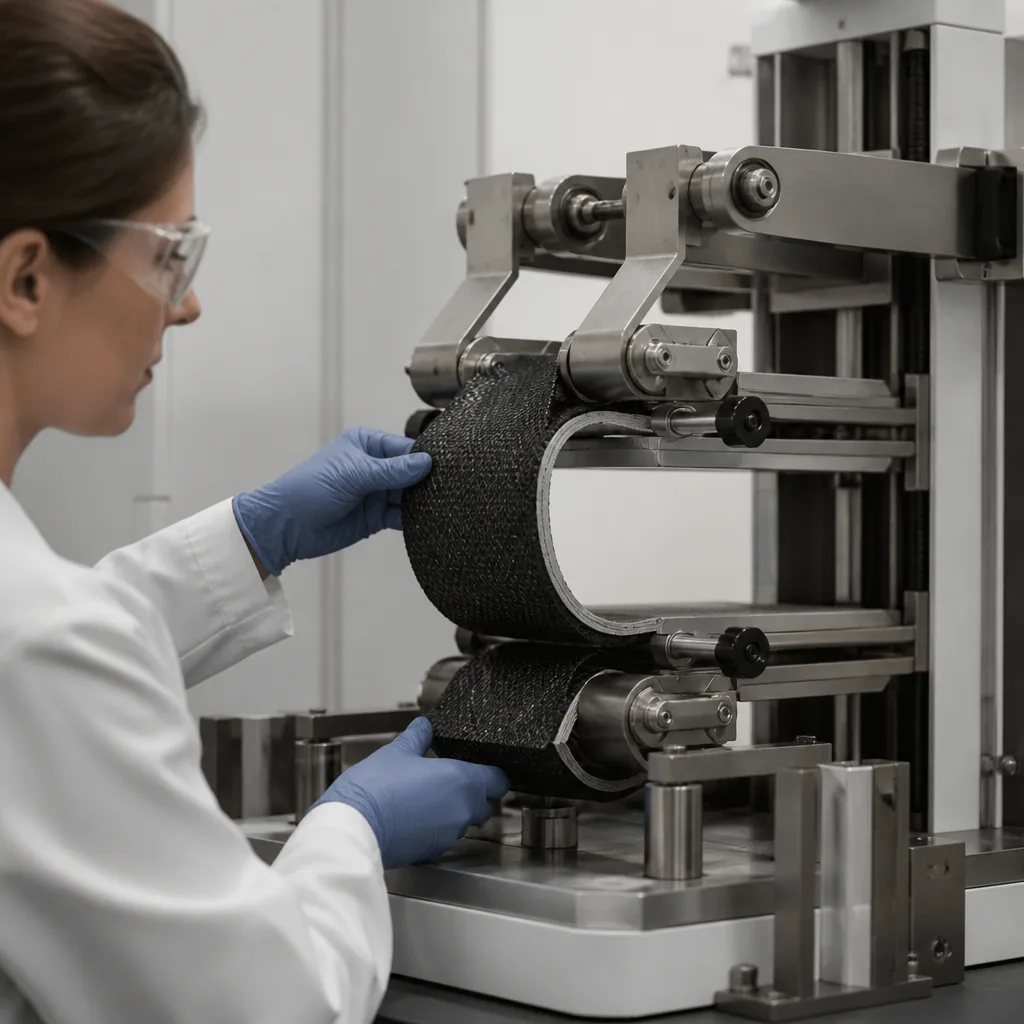
In principle, in the Bally elasticity test, a sample of seat cover material is repeatedly folded and stretched using a mechanical device. This method reproduces the cyclical deformation that occurs in real car seats. After a specified number of stretching cycles, the material is examined in terms of the following aspects:

  • Cracks in the surface coating.
  • Changes in texture or appearance
  • Separation between layers
  • Material tearing or failure
  • Loss of functional characteristics

This test method can be applied to the following materials:

  • Genuine Leather
  • Synthetic leather (vinyl, polyurethane)
  • Coated fabrics
  • Composite seat cover laminates
  • Other interior upholstery materials used in seating systems

In general, this procedure follows these steps:

  • Conditioning of samples under controlled temperature and humidity.
  • The sample is mounted on a Bally stretching machine.
  • The sample is subjected to a predetermined number of stretching cycles.
  • Examining the sample at regular intervals.
  • Assessment of the degree of cracking, coating damage, or other deterioration.

The Ford FLTM BN 162-01 standard applies specifically to the following:

  • Seat upholstery verification
  • Leather proficiency programs
  • Synthetic leather development
  • Interior trim supplier approval
  • Material durability comparison

This standard helps ensure that materials used in the following areas maintain the appearance and performance of the vehicle throughout its lifespan.

  • Seat cushions
  • Seat backs
  • Headlines
  • Armrests
  • Decorative seat interior parts

The Ford FLTM BN 162-01 standard complements many other Ford interior material durability standards, including:

  • Ford FLTM BN 155-01 Simulated fingertip wear resistance.
  • Ford FLTM BN 158-01 Martindale abrasion test of textile fabrics.
  • Ford FLTM BN 108-13 Scratch resistant.
  • Ford FLTM BN 102-02 Flexibility test for polymer-coated fabrics, genuine leather, and woven fabrics.

Using the Ford FLTM BN 162-01 standard offers the following key advantages:

  • Seat covers improve durability estimation.
  • It reduces warranty claims resulting from cracking or peeling.
  • It supports material selection during vehicle development.
  • It ensures consistent quality among suppliers.
  • It increases customer satisfaction thanks to improved interior appearance protection.

The Ford FLTM BN 162-01 standard is important because it evaluates the ability of automotive seat upholstery materials to withstand repeated bending and warping throughout the life of a vehicle. Seat upholstery is one of the most frequently used interior components, and poor elasticity can lead to premature material failure. The main reasons this standard is deemed necessary are as follows:

  • It simulates real-world seat use: Every time passengers get in or out of a vehicle, adjust their seating position, apply pressure to seat supports, or use armrests or seat cushions, the upholstery is subjected to bending and stretching. This standard allows engineers to predict long-term performance before production by recreating these stresses in a controlled laboratory environment.
  • Prevents surface cracking: Many upholstery materials, especially coated fabrics and synthetic leathers, can develop the following after repeated stretching:
    • Fine surface cracks
    • Coating fractures
    • Peeling or flaking

This standard helps identify materials resistant to these failures, ensuring a durable and attractive interior.

  • Ensures long-term appearance quality: Customers often judge vehicle quality based on the condition of the interior. Cracked or worn seat surfaces can make a vehicle look old long before its actual age. This standard verifies that the seat materials maintain the following over the years of use:
    • Color homogeneity
    • Surface texture
    • Decorative coating
    • Superior appearance
  • It supports material selection: Modern vehicle seats can include genuine leather, polyurethane synthetic leather, PVC-coated fabrics, textile laminates, and multilayer composites. This standard allows engineers to compare candidate materials and select those with the best flexural strength.
  • Verifies supplier quality: Ford sources its interior materials from multiple suppliers worldwide. This standard provides a consistent testing methodology for:
    • Evaluating supplier materials
    • Comparing performance among suppliers.
    • To meet Ford's durability requirements.
    • To maintain consistent product quality.
  • It supports durability goals throughout the vehicle's lifespan: Automotive interiors are expected to perform for many years under a variety of conditions, including:
    • high temperatures
    • Low temperatures
    • Humidity changes
    • Regular passenger use

This standard helps verify that the upholstery materials can withstand these conditions without significant deterioration.

In short, this standard helps improve interior durability, preserve vehicle appearance, reduce warranty claims, and ensure customer satisfaction throughout the vehicle's lifespan by identifying materials resistant to cracking, peeling, and fatigue.

In conclusion, the Ford FLTM BN 162-01 standard defines a crucial durability testing method focusing on the flexural resistance of automotive seat cover materials. By simulating the repeated bending and deformation encountered in normal vehicle use, it helps engineers identify materials that can maintain their structural integrity and appearance for many years. As vehicle interiors become increasingly complex and aesthetically demanding, the Bally flexural testing method remains a valuable tool for verifying the long-term performance of seat materials.

For many years, our organization, with its competent and experienced staff, has been understanding the needs of its customers, providing the advanced testing services they require, and assisting them in the establishment, implementation, and improvement of management systems. Within this framework, we also provide testing services to businesses in accordance with the Ford FLTM BN 162-01 standard.

WhatsApp

