FORD WSS-M98P12-C1 Molded Painted Steering Wheel Performance
The “Ford WSS-M98P12-C1 Molded painted steering wheel performance” standard developed by Ford Motor Company (FORD) describes the material performance requirements for a “Class A” steering wheel made of molded painted polyurethane material. This standard does not concern leather trim, keys or interior materials. These are outside the scope of this standard and are treated separately. This specification was originally designed for the materials used in the construction of molded painted polyurethane steering wheels.
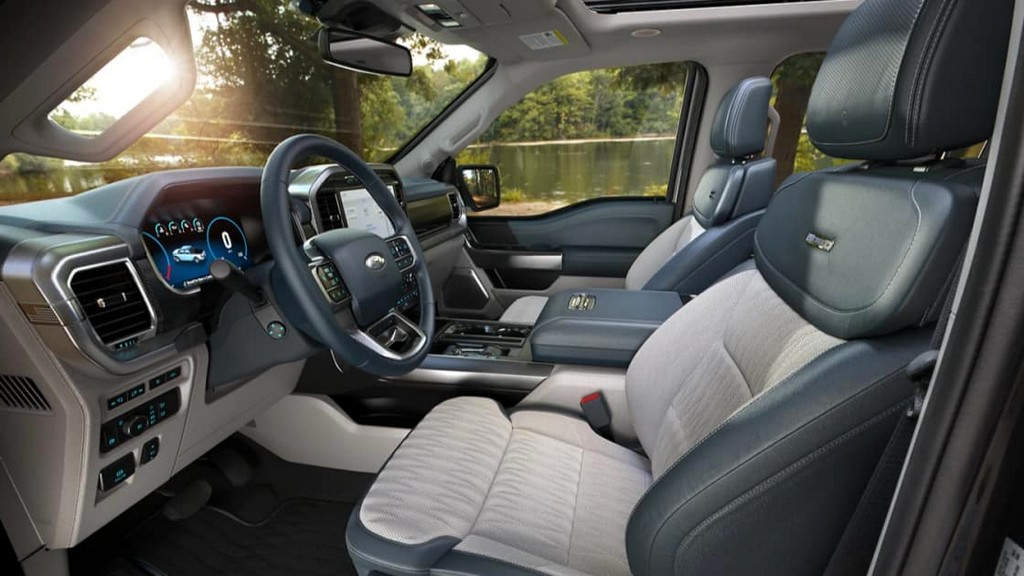
In this standard, the requirements are arranged as follows:
- Approved sources. This standard is performance based and does not have validated sources.
- Performance criteria. Excluded from this specification are the upper grain and split leather trims, the driver's side airbag, the frame, trim and switches, the wooden rim and frame/emblem applique and the plated frame.
- Sample preparation. Each test example required for all tests specified in the standard is explained in the table. Steering wheels are produced according to their production purpose and are conditioned as described in the standard. Some tests require a flat surface area for proper evaluation, so foam plates can be molded and used for evaluation as long as the foam block is representative of the production wheel composite. The foam board material content should be the same as the steering wheel, as well as the film structure and manufacturing process conditions (temperature, curing time, etc.).
- Conditioning and testing conditions. All test values are based on material conditioned for at least 23 hours prior to testing in a controlled environment consisting of a temperature of 2 degrees plus/minus 50 degrees and a relative humidity of 5 percent plus/minus 24 percent. Testing of the material should be done in the conditioning environment or immediately after removal.
- Design verification / product verification test plan. Tests should be performed on parts requiring design verification and product verification unless otherwise stated. Sample sizes and required tests are included in the table within the standard.
- Movie features. The paint film thickness should be 20-45 micrometers. The test method must be approved in advance by Ford materials engineering. Section evaluation under the microscope is appropriate.
- Appearance. Colour, gloss, texture, tactile effect and surface finish must match the main trim sample or main appearance sample approved by the corporate design. The coating must show no craters, pinholes, solvent bursts, seedings, abnormal roughness, excessive flow, or any other detrimental defects.
- Resistance properties. Before running it with a knife and checking adhesion, the paint film surface is lightly sanded by hand until it becomes dull. Bonding is carried out right on the wheel in the flat area with the largest grain. Typically this happens on the back face of the wheel in the spoke area. Due to the contour of the part, substrate material may be removed when performing this test. This is not a reason for rejection. The adhesion of the paint to the substrate material should be evaluated. Adhesion after exposure to water is tested within 30 minutes of removal from water on all paint systems. In terms of flexibility determination, it is necessary for substrates with a flexural modulus of less than 450 MPa. Within the scope of resistance properties, the standard also describes the following requirements: long-term heat exposure, short-term environmental cycling, accelerated xenon decomposition, fouling and cleanability, abrasion resistance, high performance paint adhesion, minimum fading, minimum perspiration resistance, minimum resistance to cleaning agents, solar Maximum resistance to lotion and insect repellent, resistance to water and soap staining, and resistance to chemicals.
In addition, the formation of a transparent film, droplets or crystals is a reason for rejection. All materials, parts and components should be stored outdoors for 14-28 days after production, then placed in sealed polyethylene (PE) or polyethylene-lined aluminum bags for transportation. The sample, if fully bonded, is tested as part of the production assembly composite. If it is not fully connected, each component is tested separately.
Among the numerous testing, measurement, analysis and evaluation studies it provides for businesses in various sectors, our organization also provides testing services defined in the "Ford WSS-M98P12-C1 Molded painted steering wheel performance" standard, with a trained and expert staff and advanced technological equipment.



