

The “GME 60321 Test Method for Determining the Proportion of Vegetable Fibers and Rubber in Flooring Materials” standard, developed by General Motors Europe (GME), is an engineering testing standard that specifies a laboratory method for determining the proportion of vegetable fibers and rubber in flooring materials. This standard is primarily used to verify the composition of composite flooring products and to ensure that materials supplied to General Motors meet engineering specifications in terms of quality, consistency, and performance.
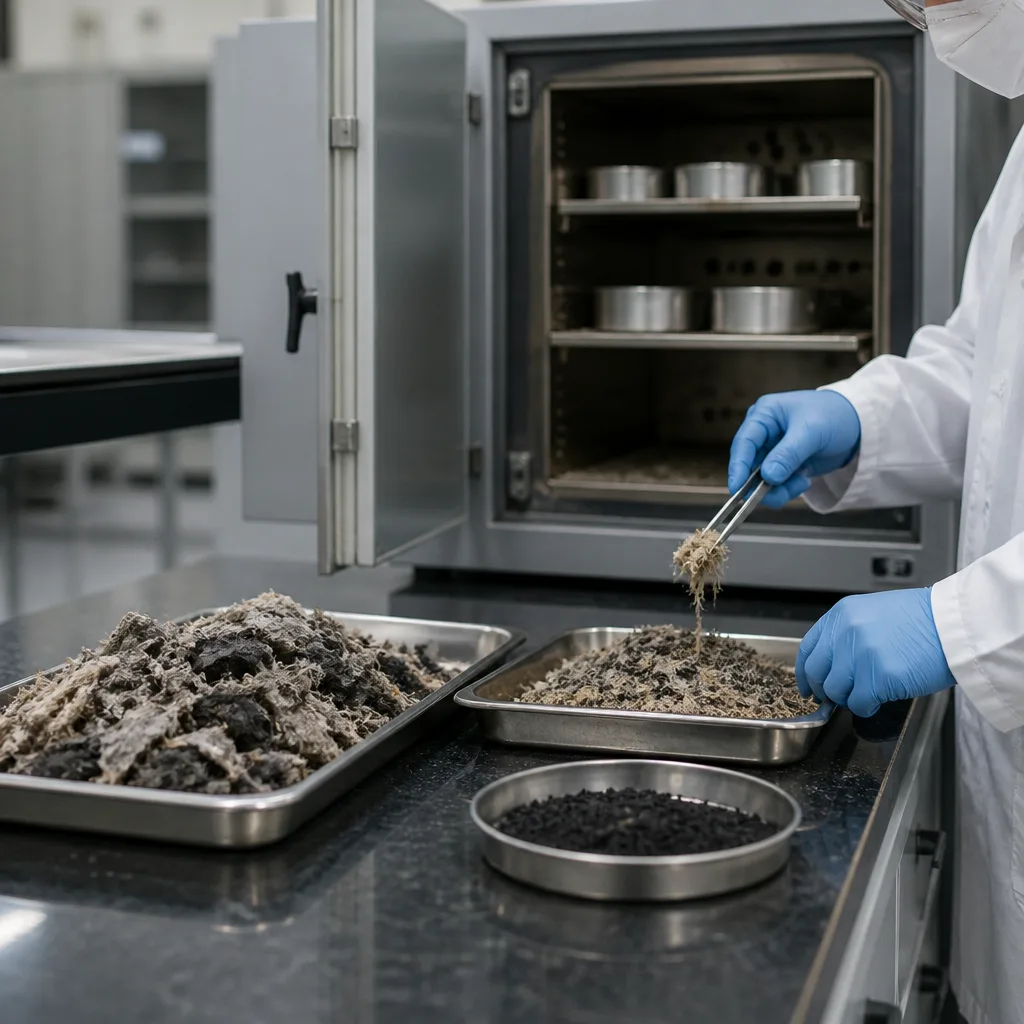
Automotive upholstery materials typically consist of multiple natural and synthetic components bonded together. The GME 60321 standard provides a standardized procedure for:
By using a common analytical procedure, manufacturers and suppliers can obtain comparable and repeatable test results.
The GME 60321 standard applies to flooring materials containing the following combinations:
This method is designed for laboratory analysis as an alternative to routine production line inspection.
Material composition directly affects many performance characteristics of automotive interior components, including:
Incorrect fiber or rubber ratios can lead to the following:
Therefore, accurately determining the material composition is a crucial part of supplier qualification and production quality control.
The described test method generally follows these steps:
This method is designed to provide reproducible results while minimizing variation between operators.
Typical laboratory equipment used in these tests includes:
The GME 60321 standard generally applies to the following:
This standard is primarily used during the following processes:
The use of the GME 60321 standard offers several advantages:
The GME 60321 standard is part of General Motors Europe’s series of laboratory testing methods for automotive materials and complements the following standards:
Together, these standards provide a comprehensive framework for evaluating automotive interior materials.
Although developed for General Motors Europe, this testing method is also applicable to organizations operating in the following sectors:
The GME 60321 standard is important because it provides a standardized laboratory method for accurately determining the proportions of vegetable fibers and rubber in automotive upholstery materials. This standard is necessary to verify the composition of these materials, ensuring that vehicle interior components meet engineering, quality, and performance requirements. In short, this standard is important for the following reasons:
The GME 60321 standard contributes to broader quality management objectives by ensuring that automotive interior materials consistently meet specified design and manufacturing requirements.
In summary, the GME 60321 standard is a specialized laboratory standard used to determine the proportions of plant fibers and rubber in automotive trim materials. By providing a consistent analytical method for verifying material composition, it helps interior components meet General Motors' requirements for quality, durability, and manufacturing consistency. While focused on a specific class of materials, this standard plays a vital role in supplier qualification, quality assurance, and product validation within the automotive industry.
For many years, our organization, with its competent and experienced staff, has been understanding the needs of its clients, providing the advanced testing services they require, and assisting them in the establishment, implementation, and improvement of management systems. Within this framework, we also provide testing services compliant with the GME 60321 standard.
To get an appointment, to get more detailed information or to request an evaluation, you can ask us to fill in our form and reach you.

