BMW GS 93026-1 Vehicle Interior Textiles - Requirements and Tests
Developed by BMW, a multinational automotive manufacturer, the “BMW GS 93026-1 Vehicle interior textiles - Requirements and tests” standard outlines standard requirements for textiles used in vehicle interiors. This standard defines the requirements and test methods for textile products used in vehicle interiors, ensuring they meet the high quality, durability, safety, and comfort standards expected of manufactured vehicles.
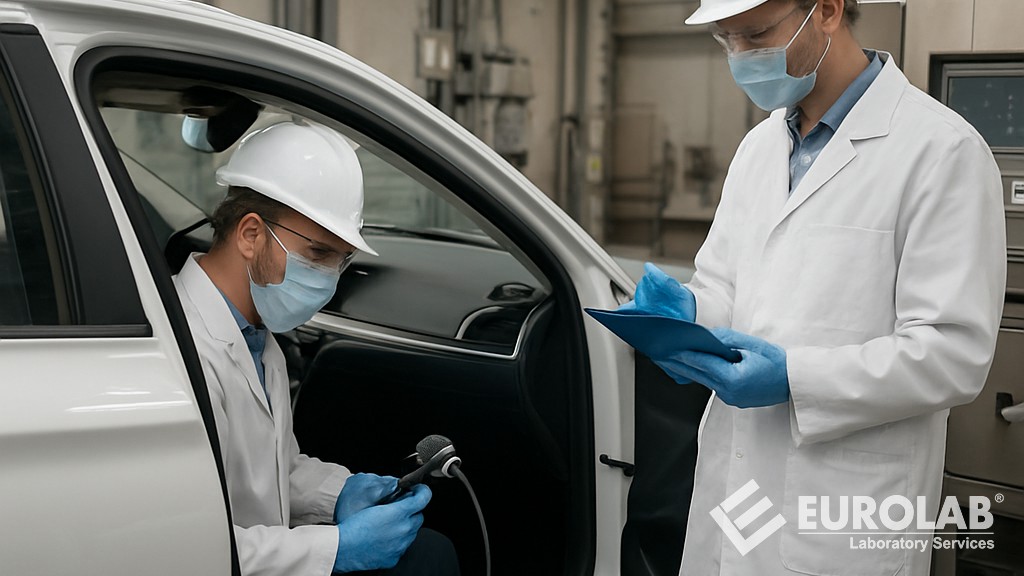
This standard applies to all textile materials and textile-based coverings in the passenger compartment. These fabrics and coverings include:
- Upholstery fabrics
- Door panel coverings
- Ceiling tiles
- Carpet materials
- Other decorative or functional textiles (e.g., velvet, woven fabrics, knitted fabrics, nonwoven fabrics, textile-backed artificial leather)
This specification does not cover complete component qualification or production process approval; it focuses specifically on the material properties of textiles.
The BMW GS 93026-1 standard covers a wide range of performance aspects typical of high-end automotive interiors. It generally defines the following key tests:
- Mechanical durability: Abrasion resistance (e.g., Martindale or Taber tests), pilling, seam strength, tear strength, and tensile properties.
- Color fastness: Resistance to light (xenon arc), abrasion (dry/wet), perspiration, water staining, and household chemicals.
- Stain resistance and cleanability: Resistance to dirt and grease, and the ability to be cleaned without damage or discoloration.
- Dimensional stability: Shrinkage, stretching, and return to original shape after exposure to heat, humidity, or cleaning.
- Environmental resilience: Behavior under heat aging, humidity, thermal cycling, and light exposure.
- Chemical resistance: Resistance to substances that may come into contact with indoor surfaces, such as sunscreen, cosmetics, or non-alcoholic beverages.
- Other characteristics include combustion behavior (flammability), electrostatic properties, odor emission, and vaporization (gas release of volatile compounds).
While this standard refers to many international standards (e.g., DIN EN ISO, SAE, or ASTM standards) for various tests, the pass/fail criteria, exposure times, or evaluation scales have been adapted specifically for BMW.
BMW places very high demands on interior materials due to the brand's focus on premium image, long-term durability, and passenger comfort. Textiles that do not meet the requirements of the BMW GS 93026-1 standard cannot be approved for use in production vehicles. Independent testing laboratories are accredited to carry out these tests and help suppliers demonstrate compliance.
The BMW GS 93026-1 standard is necessary for several interconnected reasons that directly support BMW's brand positioning, legal and compliance obligations, customer satisfaction, and long-term business success in the premium automotive segment. The main reasons why this standard is important are:
- Maintaining a premium brand image and perceived quality: Textile materials are among the most visible and tactile parts of the cabin, such as seats, door panels, and headliner. Even minor issues like excessive loss of shine, pilling, fading, discoloration, or staining significantly reduce perceived quality. Such a strict standard prevents suppliers from offering cheaper or lower-performing fabrics that would undermine the feeling of driving a premium vehicle.
- Ensuring long-term durability in extreme real-world conditions: Vehicle interiors face far more demanding conditions than home furniture.
- Intense sunlight (especially through large glass ceilings or panoramic sunroofs) causes excessive UV exposure.
- Very high cabin temperatures (especially in parked vehicles in sunny climates, often at least 70-80 degrees on hot days).
- High humidity cycles, sweaty passengers, spilled drinks, cosmetics, sunscreen, and denim dye transfer.
- Constant mechanical wear and tear caused by things like getting in and out of the vehicle, seatbelt friction, pet claws, and child seats.
Without BMW's unique rigorous accelerated aging, abrasion, colorfastness, cleanability, and dimensional stability tests, fabrics can quickly appear worn, faded, or stained. This can lead to costly warranty claims and damage to brand reputation.
- Reducing warranty costs and field complaints: Interior textile issues (fading seats, worn upholstery, persistent stains, odor retention) are among the most common non-mechanical customer complaints in premium brands. Replacing entire seat covers, door panels, or headliners is too costly for BMW. A strict material specification eliminates poor candidates early in the supply chain, before they reach production vehicles and create widespread field problems.
- Regulatory, safety and environmental compliance: Although this standard is primarily a performance and durability specification, it is linked to broader obligations:
- Low fogging (minimizing volatile emissions that can cause fogging on windows or cabin odors).
- Restricted substances (REACH compliance, flame retardants).
- Flammability requirements (compliant with FMVSS 302 or similar regulations).
These help BMW meet global homologation and indoor air quality standards and avoid future chemical restrictions.
- Supply chain control and supplier consistency: BMW works with hundreds of suppliers worldwide. A single, clear and mandatory material specification:
- It ensures uniform quality across different production facilities.
- This allows BMW to apply the same high standard to all its fabric suppliers.
- It reduces the risk of batch-based variations that could manifest as quality inconsistencies between vehicles.
In conclusion, the BMW GS 93026-1 standard is one of the fundamental material properties that ensures every fabric in contact with passengers in a BMW vehicle maintains its appearance, texture, and functionality for many years and under demanding conditions. This is a key element of the brand's interior quality.
For many years, our organization, with its competent and experienced staff, has been understanding the needs of its clients, providing the advanced testing services they require, and assisting them in the establishment, implementation, and improvement of management systems. Within this framework, we also provide testing services in accordance with the BMW GS 93026-1 standard.



