

In the Renault 36.00.400 standard developed by the French Renault automobile company, the requirements for the physical environment of electrical and electronic equipment in vehicles are explained and test methods are defined.
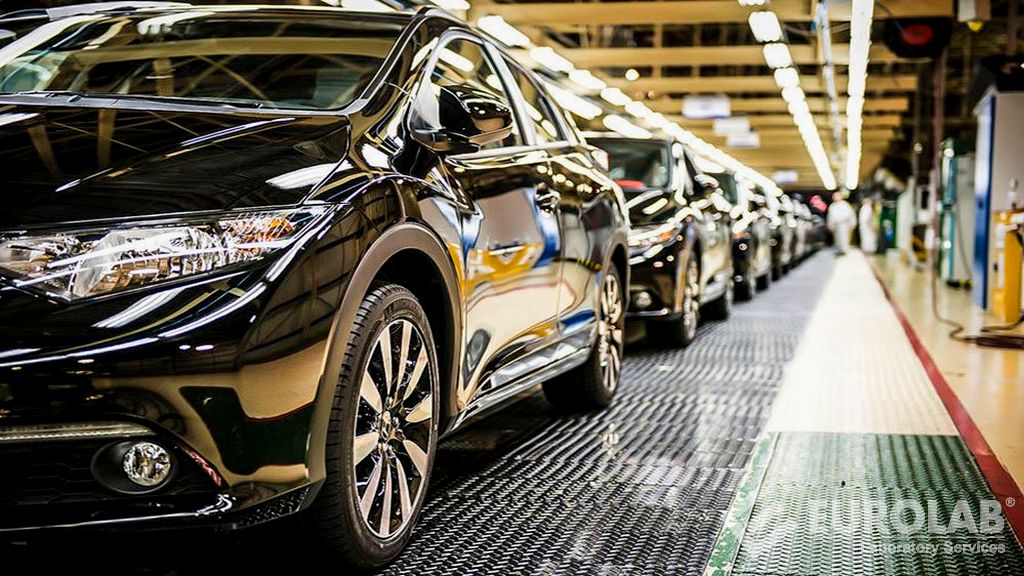
Automotive electrical and electronic systems is an area that has increased in importance in recent years and will continue to gain importance in the future. For this reason, sustainable electrical and electronic system studies have gained importance for the automotive sector. These studies are also funded by the European Commission.
Necessary improvements are made in the design of automotive electrical and electronic systems, and automobile manufacturing companies focus on the development and application of new technologies. Component design has a significant impact on the product system and processes, including the use and end-of-life phase.
Different electronic systems are used in automobiles, such as increasing driving motion, fuel efficiency and driver comfort. Today, computer-controlled systems are gaining more and more weight. An embedded system plays an important role in automobile architecture. These systems are used in the anti-lock braking system, the audio system and safety airbags, the radio, the parking capability and so on. In addition, most of the electronic parts used in automobiles are controlled digitally.
Automotive electronics, engine electronics, transmission electronics, chassis electronics, passive safety, driver assistance, passenger comfort, entertainment systems, electronics and integrated cockpit systems are distributed systems that are grouped in different ways.
The engine control unit is an important electronic part in automobiles. This unit is one of the maximum real-time targets as the engine used in cars is extremely complex and fast. In automobiles, an engine control unit is used to control functions such as fuel injection rate, NOx control, emission control, throttle, turbocharger, cooling system and oxidation catalytic converter. There are many parameters to control and monitor the motor in real time.
Among the numerous tests, measurements, analyses, and evaluations our organization provides for businesses in various sectors, we also offer testing services for the physical environment of electrical and electronic equipment under the Renault 36.00.400 standard, utilizing a trained and expert staff and advanced technological equipment.
To get an appointment, to get more detailed information or to request an evaluation, you can ask us to fill in our form and reach you.

