

The “DBL 7403 Decorative Coating of Metal Interior Components in Vehicles” standard, developed by Daimler, the owner of the Mercedes-Benz brand, describes the requirements for decorative coatings applied to metal interior components using advanced coating techniques. This standard includes a procedure for decorative coating of metal interior components using plasma or vacuum coating (e.g., physical vapor deposition, PVD).
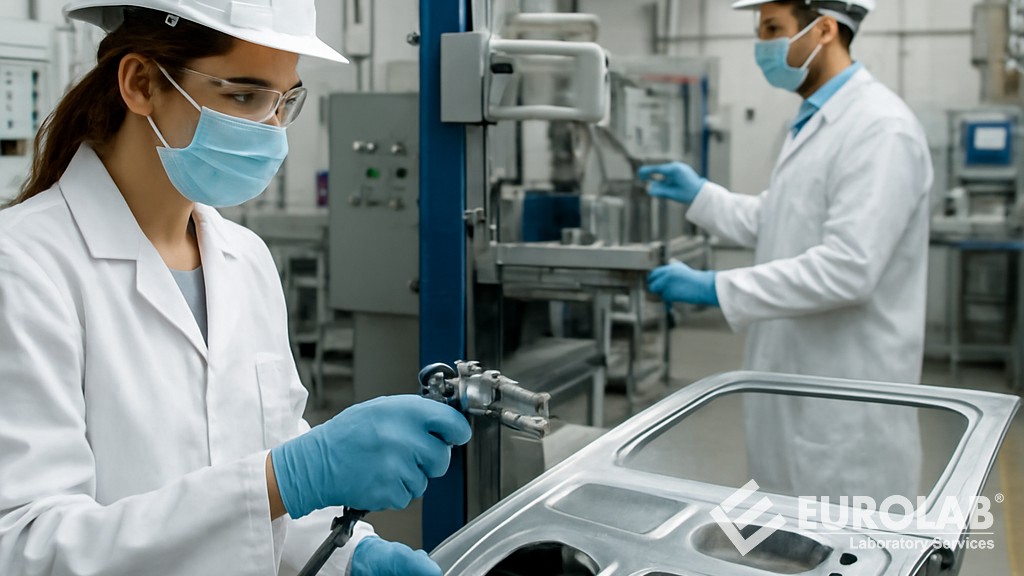
This standard provides high-quality, durable, and aesthetically pleasing decorative finishes for metal parts inside a vehicle cabin. These finishes provide visual enhancements (such as metallic gloss, color variations, or superior appearance) while meeting the following stringent automotive requirements:
Typical applications of this standard include interior trim elements such as decorative frames, switches, accents on door panels, instrument panel trims, steering wheel details, air vents, or other metallic surfaces visible in the passenger compartment. Mercedes-Benz focuses on elements that enhance the premium feel of its interiors.
Technology used: Primarily plasma-enhanced or vacuum-based deposition methods (e.g., PVD sputtering or evaporation) that provide thin, uniform layers of metal or compounds (chromium, titanium nitride, or similar for chromium-like or black coatings) without conventional electroplating.
Mercedes-Benz has a number of DBL standards for decorative trim:
These are part of a broader set of DBL norms that Mercedes-Benz suppliers must adhere to for the approval of materials and processes in vehicle production.
In the automotive industry, particularly for luxury brands like Mercedes-Benz, interior quality is a key differentiator. The DBL 7403 standard ensures that coated components maintain their appearance and performance throughout the vehicle's lifespan, resisting fading, peeling, or deterioration. Suppliers (e.g., coating specialists or first-tier interior component manufacturers) test and certify their processes according to this standard to obtain Daimler/Mercedes approval.
In short, the DBL 7403 standard is not an international standard like ISO or DIN, but rather a company-specific specification used in the automotive sector, particularly for the Daimler-Mercedes-Benz Group, concerning supply and quality requirements for surface coatings. It defines the requirements and technical conditions for decorative coatings applied to metal interior components using plasma or vacuum deposition processes such as physical vapor deposition, chemical vapor deposition, and plasma-assisted chemical vapor deposition.
The DBL 7403 standard is a supply specification that regulates how certain decorative surface finishes should be applied and tested on metal parts used in vehicle interiors.
This standard focuses on the decorative finish of metal parts. It applies to interior metal components that receive a decorative surface coating, such as trim, frames, or accents within a cabin.
This standard specifically refers to advanced coating technologies such as:
These processes deposit extremely thin, often colored, films onto metal surfaces to enhance aesthetics and provide improved surface properties (e.g., wear resistance, corrosion protection).
The testing and quality requirements of the DBL 7403 standard generally include the following:
These standards are typically part of the supplier quality agreement for parts delivered to the original equipment manufacturer.
DBL specifications are part of a broader Mercedes-Benz technical delivery and coating standards package. These are generally tailored to the application area. For example,
Typical industry uses of the DBL 7403 standard are as follows:
DBL 7403 and similar standards are crucial in modern automotive supply chains because,
Meanwhile, section DBL 7403 § 7.3 of this standard mainly pertains to the testing and verification section of the specification for metallic interior parts with decorative physical vapor deposition/vacuum coating. This section expresses the adhesion performance requirement for the applied decorative coating system. The purpose of this section is to ensure that the decorative coating:
Adhesion is very important because interior trim pieces are frequently touched and exposed to temperature and humidity cycles.
In short, the DBL 7403 standard is a Daimler-associated technical specification that defines how decorative coatings, typically applied by plasma/vacuum methods, should be made and tested on metal interior parts in automotive applications. This is part of a family of coating and surface treatment standards used by original equipment manufacturers to ensure quality and consistency in the components they supply.
For many years, our organization, with its competent and experienced team, has been understanding the needs of its clients, providing the advanced testing services they require, and assisting them in the establishment, implementation, and improvement of management systems. Within this framework, we also provide testing services compliant with the DBL 7403 standard.
To get an appointment, to get more detailed information or to request an evaluation, you can ask us to fill in our form and reach you.

