

The "Toyota TSH1553G Test Method for Crack Resistance of Paint Films" standard, a Toyota engineering standard, describes the method for testing the crack resistance of paint films.
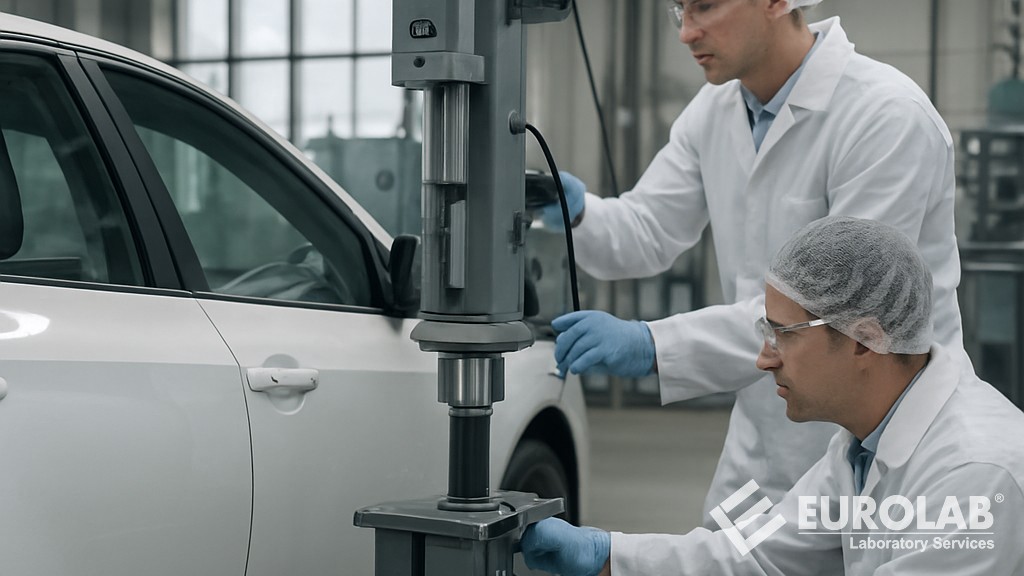
For each coating system (combination of topcoat and surface coating) used for testing, a test plate must be prepared under predetermined specific conditions. Unless otherwise specified, these test plates should be used after being left to stand for at least 20 hours at room temperature of 23 degrees plus/minus 2 degrees and 50 percent plus/minus 5 percent relative humidity.
In the high-risk automotive manufacturing world, where vehicles must withstand everything from highway debris to harsh environmental conditions, the durability of paint and coating systems is paramount. Toyota, a world leader in automaking, has developed a series of rigorous internal standards to ensure every component meets demanding quality criteria. Among these, the Toyota TSH1553G standard stands out as a critical testing method focusing on the crack resistance of paint films. Part of Toyota’s broader series of testing standards, this standard plays a vital role in maintaining vehicle aesthetics and structural integrity. As electric vehicles and autonomous driving technologies evolve, the importance of durable coatings has increased, making Toyota TSH1553G and similar standards more crucial than ever.
The Toyota TSH1553G standard is a proprietary test method specifically designed to evaluate the crack resistance of paint films. It simulates real-world impacts from road gravel, stones, and other objects that could damage the vehicle's exterior. Unlike general corrosion tests, this standard targets the mechanical integrity of coatings and measures how resistant they are to cracking (small cracks or separations in the paint layer that can lead to rusting, reduced aerodynamic performance, or costly repairs).
This standard, referenced alongside other standards such as the Toyota TSH1551G standard for electroplating film specifications and the Toyota TSH1555G standard for atmospheric corrosion testing, establishes a comprehensive framework for coating verification.
This test is mandatory for suppliers providing painted or coated parts to Toyota and ensures consistency across global production lines. Compliance with this standard helps prevent defects that could compromise vehicle safety or lead to recalls.
Automotive paint systems are multi-layered systems: primer, base coat, varnish, and sometimes special underbody protection. However, even the most advanced formulas can be damaged by impact. Cracks not only spoil the appearance but also expose metal surfaces to corrosion, accelerating wear on salty winter roads or dusty terrain.
For Toyota, which prioritizes reliability and longevity, the TSH1553G standard ensures that coatings perform even under extreme stress conditions. In an era where sustainable production is key, durable paints also reduce waste from repainting processes and extend vehicle life, aligning with Toyota's carbon neutrality goals.
Similar tests, such as the SAE J400 (gravelometer test), exist across the industry, but the Toyota TSH1553G test method is tailored to the vehicle's specific material compositions and assembly processes. Non-conformity can lead to rejected shipments, delayed production, and financial penalties for suppliers.
The basic steps of the method described in the Toyota TSH1553G standard are as follows:
The test is repeatable, and statistical analysis is required for batch approvals. Advanced laboratories use high-speed cameras to capture fracture dynamics and aid in coating formulation adjustments.
The Toyota TSH1553G standard is used in supplier contracts for body panels, bumpers, wheels, and even interior trim that are subject to vibration-induced wear. For example, a recent outsourcing request highlighted its use in verifying the fracture resistance of new automotive parts through gravel tests and nut-drop simulations.
Advanced laboratories utilize specialized equipment to conduct high-volume supplier audits, ensuring traceability from raw materials to finished vehicles.
In conclusion, the Toyota TSH1553G standard is an example of the precision engineering that underpins the brand's legendary reliability. By rigorously testing chip resistance, it not only protects vehicles from the rigors of the road but also supports Toyota's global commitment to quality.
For many years, our organization, with its competent and experienced staff, has been understanding the needs of its customers, providing the advanced testing services they require, and assisting in the establishment, implementation, and improvement of management systems. Within this framework, we also provide testing services to businesses in accordance with the "Toyota TSH1553G Test Method for Crack Resistance of Paint Films" standard.
To get an appointment, to get more detailed information or to request an evaluation, you can ask us to fill in our form and reach you.

