

Developed by Daimler, the parent company of the Mercedes-Benz brand, the “DBL 7392 Moderate corrosion protection coatings” standard is a supply specification for organic coatings and paint systems applied to metal parts in automotive applications.
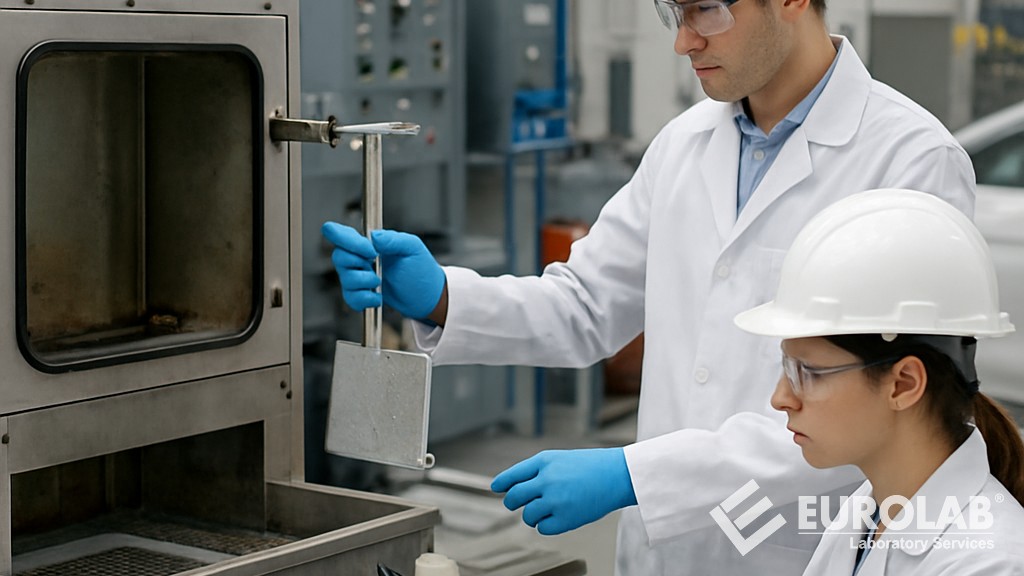
This standard describes the requirements for coatings/paints on components subjected to moderate corrosion stress. These are typically parts that are not exposed to the most severe environmental conditions (e.g., direct road salt spray, continuous weathering of the exterior body, or high-corrosion areas such as wheel wells), but still require reliable protection against rust, environmental degradation, and mechanical wear throughout the vehicle's lifespan.
This standard covers:
The following are common test methods referenced in the relevant standards and frequently applied here:
Daimler uses a phased approach for corrosion-resistant coatings:
Suppliers to Mercedes-Benz must comply with the DBL 7392 standard when delivering coated parts in this corrosion category. Advanced laboratories offer accredited testing to verify compliance, including corrosion cycling, adhesion, and environmental resistance. These tests help ensure long-term durability, reduce warranty claims due to rust, and meet Mercedes-Benz's quality expectations regarding component lifespan.
In short, the DBL 7392 standard is a technical supply and coating specification used in the automotive industry to qualify surface treatments on vehicle components. This specification defines how specific parts should be coated and tested to provide adequate protection against corrosion under moderate environmental stress.
The DBL 7392 standard specifically covers the following:
This specification ensures that components not exposed to extreme environments (such as structural subbody parts) have adequate protection to withstand normal operating stress throughout the vehicle's expected lifespan.
The primary objective of the DBL 7392 standard is to ensure the quality and durability of coatings applied to automotive parts exposed to moderate corrosion, such as interior components under the hood or metal parts in protected areas of the vehicle. These coatings must be resistant to environmental factors such as humidity, temperature variations, and mild abrasive effects encountered during normal use.
This standard generally covers the following:
The DBL 7392 standard includes various sections and test definitions designed to evaluate the performance of coatings:
These tests help determine whether the paint system provides a consistent protective coating and meets acceptable quality thresholds for automotive durability.
The DBL 7392 standard is part of a suite of DBL specifications covering various materials and coating scenarios. Similar standards include:
Together, these standards form a comprehensive framework that Mercedes-Benz uses to guide its suppliers in producing parts that meet its expectations for quality and durability.
The DBL 7392 standard is a benchmark for automotive suppliers and manufacturers, guaranteeing that parts meet the following criteria:
In conclusion, the DBL 7392 standard is a specific automotive coating specification that defines how vehicle components should be painted and tested for moderate corrosion resistance. This standard is a crucial step in ensuring the quality and longevity of parts used in Mercedes-Benz vehicles.
For many years, our organization, with its competent and experienced team, has been understanding the needs of its clients, providing the advanced testing services they require, and assisting them in the establishment, implementation, and improvement of management systems. Within this framework, we also provide testing services compliant with the DBL 7392 standard.
To get an appointment, to get more detailed information or to request an evaluation, you can ask us to fill in our form and reach you.

