

The purpose of the “BMW GS 90011 Coating of Metal Parts with Organic Materials - Requirements and Tests” standard, developed by BMW, a multinational vehicle manufacturer, is to define the quality requirements for coating metallic parts (including the entire body) with organic materials and to ensure that these requirements are indicated by symbols in drawings and technical documentation. For painted interior or exterior plastic parts, the GS 94007 standard applies.
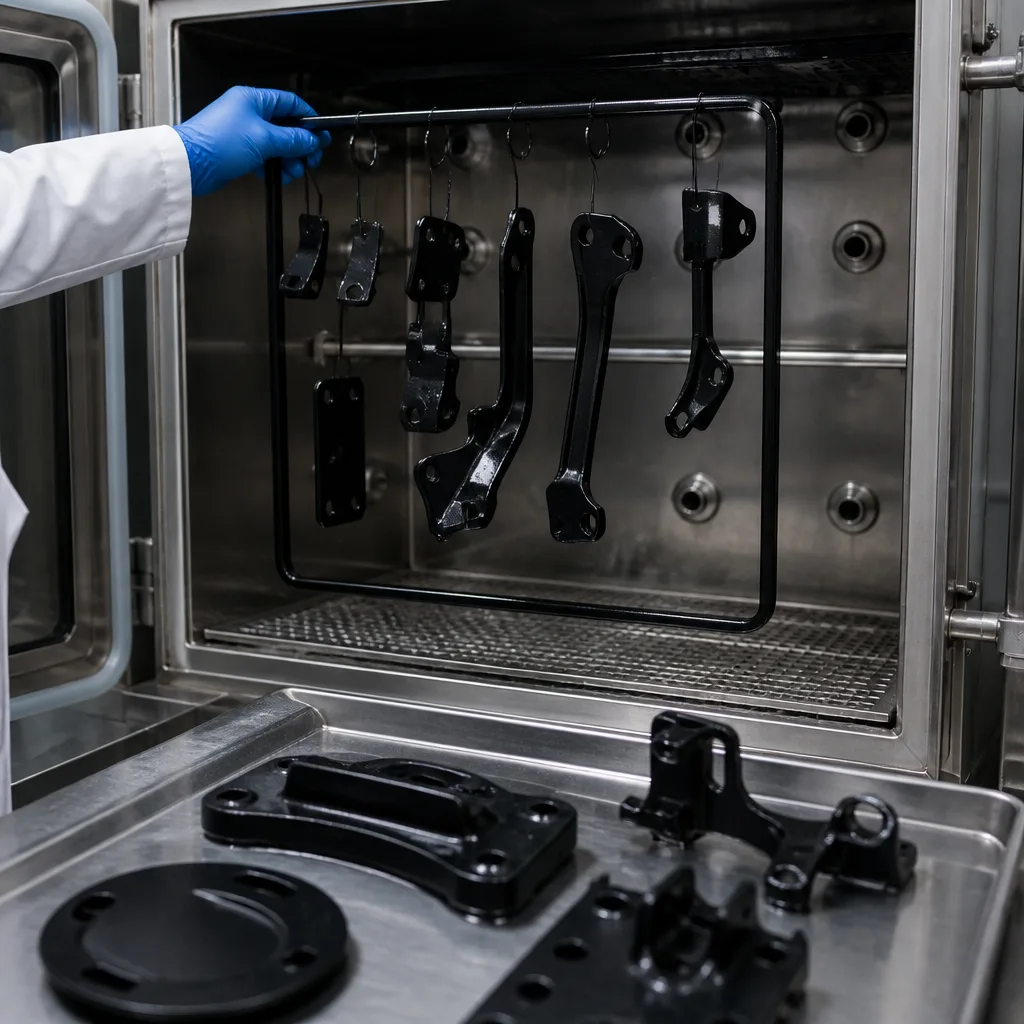
The BMW GS 90011 standard is an engineering standard that specifies the requirements and test methods for coating metal parts with organic materials. It defines the quality criteria, test procedures, and documentation requirements for painted and organically coated metal components used in BMW vehicles. This standard applies to a wide range of components, from small brackets and fasteners to complete vehicle body structures, ensuring consistent corrosion protection, appearance, and long-term durability.
The BMW GS 90011 standard was developed to define uniform specifications in the following areas:
The primary aim of this standard is to ensure that every coated metallic component used in BMW vehicles achieves consistent quality, regardless of supplier or manufacturing location.
The metal components in automobiles are constantly exposed to the following types of harsh environmental conditions:
Without suitable coatings, corrosion starts quickly and can reduce both structural integrity and cosmetic appearance. The BMW GS 90011 standard provides a standardized qualification process to verify that coating systems can withstand these conditions throughout the vehicle's lifespan.
This standard applies to the following types of metallic materials:
Typical components include:
This standard focuses on organic coatings rather than purely metallic surface treatments.
The requirements specified in the BMW GS 90011 standard are as follows:
Corrosion resistance is confirmed through accelerated laboratory tests.
Adhesion is assessed before and after environmental exposure to ensure long-term performance.
This prevents coating failure during production and vehicle operation.
These tests simulate real-world environmental conditions over many years.
The coating should not soften, change color, blister, or peel after exposure.
A high-quality appearance is important, especially for visible body components.
The BMW GS 90011 standard includes or refers to the following types of tests:
These tests evaluate coating performance under both laboratory and simulated service conditions.
The BMW GS 90011 standard supports a variety of coating technologies, including:
BMW selects the appropriate coating system based on the component's function, environment, and durability requirements.
Although developed for BMW vehicles, the GS 90011 standard is commonly referenced by the following sectors:
For suppliers producing painted metal components for BMW, compliance is often required.
Implementing the BMW GS 90011 standard offers several advantages:
The BMW GS 90011 standard is typically used with the following:
Together, these standards provide a comprehensive framework for verifying painted metal components in BMW vehicles.
In conclusion, the BMW GS 90011 standard is a significant quality standard because a vehicle's durability largely depends on the performance of its protective coatings. Corrosion, paint deterioration, and coating damage can affect both aesthetics and structural integrity, leading to increased maintenance costs and decreased customer satisfaction.
This standard defines standardized coating materials, qualification tests, and acceptance criteria, ensuring that painted metallic components retain their protective and decorative properties throughout the vehicle's expected lifespan, even under harsh environmental conditions.
For many years, our organization, with its competent and experienced team, has been understanding the needs of its clients, providing the advanced testing services they require, and assisting them in the establishment, implementation, and improvement of management systems. Within this framework, we also provide testing services in accordance with the BMW GS 90011 standard.
To get an appointment, to get more detailed information or to request an evaluation, you can ask us to fill in our form and reach you.

