

The “GM 9146P Water Permeability Test for Sunroof and Headliner Materials” standard, published by General Motors (GM), is a materials testing standard used to evaluate the water permeability properties of sunroof fabrics and headliner materials. This test determines whether liquids, particularly water, can penetrate the fibers, seams, or layered structure of automotive textile materials through capillary action.
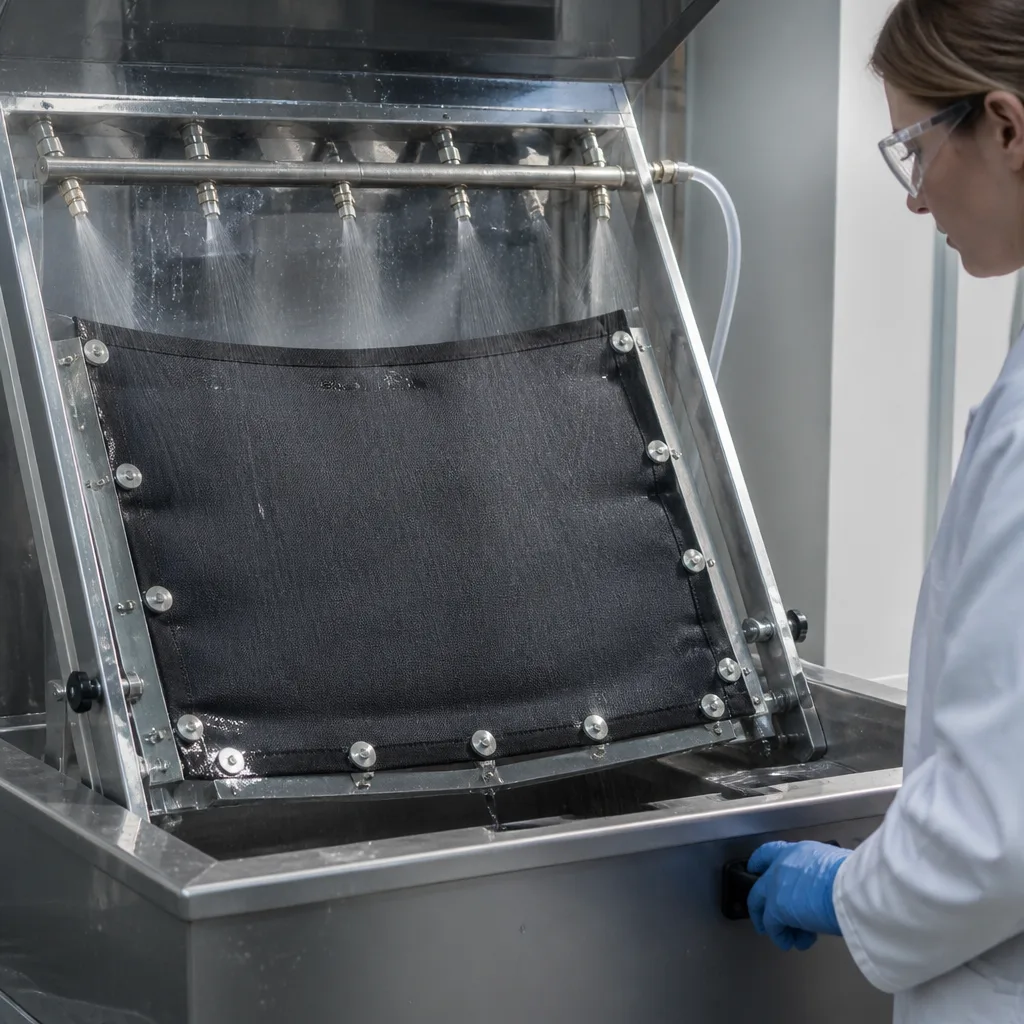
Water permeability is a critical quality requirement for automotive fabrics because excessive moisture penetration can lead to staining, mold growth, unpleasant odors, corrosion of hidden components, and reduced durability. This standard is widely used, particularly by suppliers developing textile materials for General Motors vehicles, including those used in sunroofs and interior trim systems.
Two key component groups in vehicles that contribute to weather protection, comfort, aesthetics, and noise reduction are sunroofs and interior trim systems. A sunroof is a movable roof that allows a vehicle to be driven with either a closed cabin or an open roof. Unlike a fixed steel roof in a traditional car, a sunroof can be folded, retracted, or removed.
There are two main types:
Soft tops are lightweight and can be folded into a compact storage space.
These panels fold into the trunk or rear compartment using an electric or hydraulic mechanism.
Typical components include:
Because retractable roofs are directly exposed to rain, sunlight, snow, and temperature changes, they must meet the following demanding performance requirements:
Therefore, GM 9146P and similar standards assess whether water can penetrate roof fabrics or seams.
Vehicle interior upholstery systems encompass all visible and functional materials that enhance comfort, appearance, acoustics, and safety in a vehicle. These include:
These parts are manufactured from the following materials:
Many interior flooring materials contain textile fibers or foam that can absorb and carry away water. If moisture penetrates these materials, it can lead to:
The primary objectives of the GM 9146P standard are as follows:
This standard helps engineers identify materials that retain their protective properties throughout the vehicle's lifespan.
Moisture absorption is the movement of liquid through porous materials without external pressure. This occurs due to capillary action, where the liquid passes through microscopic gaps between the fibers. In automotive applications, moisture absorption can occur in the following ways:
Even if a fabric appears waterproof, poor stitching or unsuitable backing materials can allow moisture to penetrate the vehicle.
Materials evaluated according to the GM 9146P standard include:
These materials are expected to be resistant to both direct water penetration and moisture migration.
The described test method generally follows these steps:
The GM 9146P standard evaluates several key characteristics, including those listed below:
Automotive roofs are constantly exposed to rain, moisture, snow, and repeated wet-dry cycles. If moisture penetrates the fabric, it can cause:
By limiting moisture penetration, manufacturers improve vehicle reliability and customer satisfaction.
The following industries use the GM 9146P standard:
Meeting the requirements of the GM 9146P standard offers several advantages:
The GM 9146P standard is typically used in conjunction with other validation tests, including:
Together, these tests provide a comprehensive assessment of the roofing material's performance under real-world environmental conditions.
In conclusion, the GM 9146P standard is a key General Motors engineering standard used to evaluate the water absorption resistance of sunroof and headliner materials. By measuring the movement of water through fabrics, seams, and laminated structures, this standard helps ensure that roof systems remain durable, weather-resistant, and able to protect the vehicle interior throughout their lifespan.
For many years, our organization, with its competent and experienced staff, has been understanding the needs of its clients, providing the advanced testing services they require, and assisting them in the establishment, implementation, and improvement of management systems. Within this framework, we also provide testing services compliant with the GM 9146P standard.
To get an appointment, to get more detailed information or to request an evaluation, you can ask us to fill in our form and reach you.

