

Developed by General Motors Europe (GME), the “GME 60248 Scratch Resistance of Coated Elastomers and Textile Interior Materials” standard is an engineering testing standard that defines a method for evaluating the scratch (abrasion) resistance of coated elastomeric materials and textile interior upholstery materials used in automotive interiors. The described test method is designed to determine how well decorative and protective surface coatings withstand mechanical scratches that may occur during normal vehicle use.
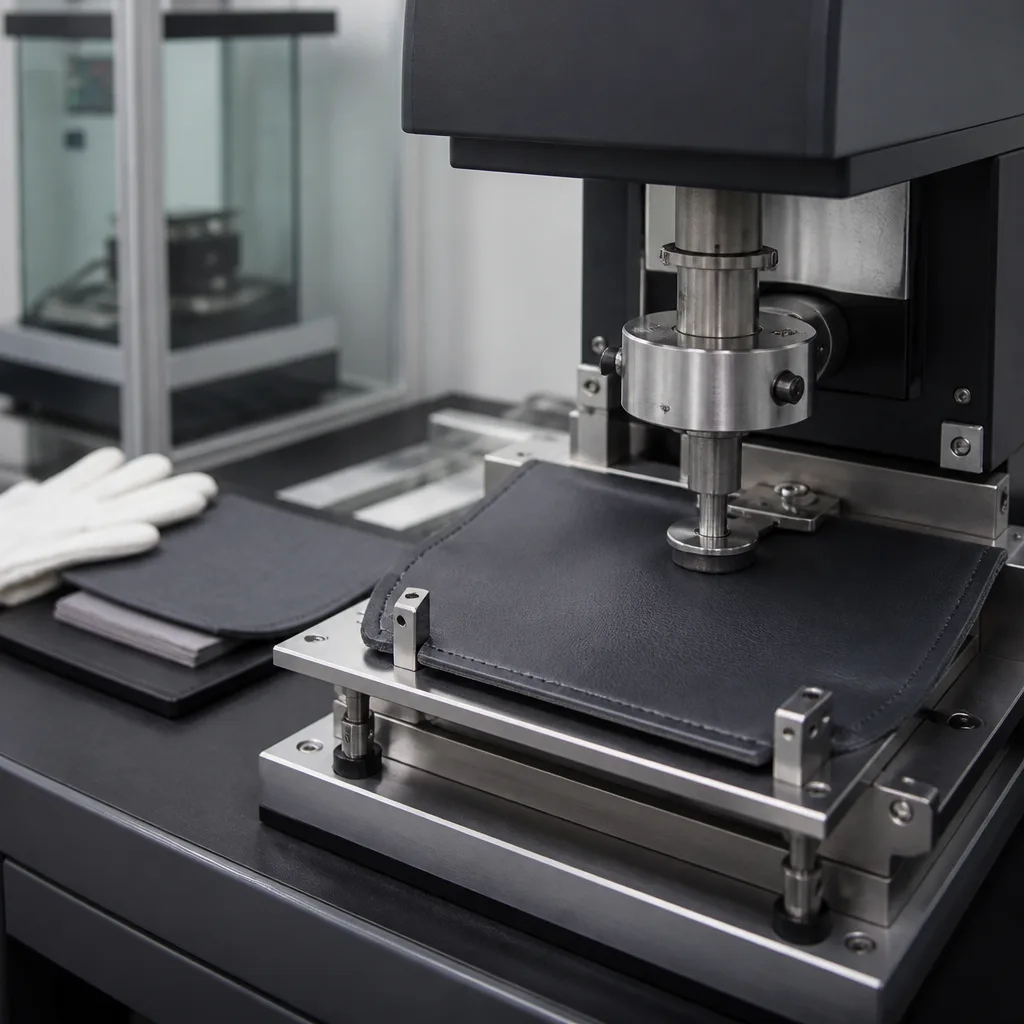
This standard is particularly important for interior components that come into frequent contact with vehicle occupants, and it helps manufacturers ensure that coatings remain attractive and functional throughout the vehicle's lifespan.
The main objectives of the GME 60248 standard are as follows:
This standard helps engineers determine whether a material can retain its original appearance despite repeated contact with shoes, bags, keys, nails, or cleaning tools.
The GME 60248 standard applies to the following:
This standard specifically addresses the scratch resistance of coatings on elastomers and textile inner materials.
Vehicle interiors are constantly subjected to mechanical wear. Common sources of wear include:
Coatings that lack sufficient wear resistance can cause the following:
Even if a component remains structurally intact, cosmetic damage can significantly reduce the perceived quality of the vehicle.
This testing method is designed to measure a coating's resistance to controlled abrasion under standardized conditions. The test method generally follows these steps:
The characteristics evaluated at the end of the test are as follows:
Surface scratching
Both immediate damage and permanent visual changes are considered during the assessment.
The main equipment used in the tests are:
The precise instrument geometry, applied force, and acceptance criteria are defined in this standard.
The GME 60248 standard applies to numerous automotive interior materials, including:
Polyurethane coated surfaces
Manufacturers generally set acceptance limits based on the following:
Different tooling programs can define different quality requirements depending on the component and customer expectations.
Although developed for General Motors, similar wear resistance tests are widely used by:
The use of the GME 60248 standard offers several advantages:
The GME 60248 standard is often used in conjunction with other GM interior material specifications that evaluate complementary performance characteristics, such as:
Together, these tests comprehensively evaluate the durability and appearance of automotive interior materials throughout the vehicle's lifespan.
In conclusion, the GME 60248 standard is an important standard for evaluating the scratch resistance of coated elastomers and textile interior materials. By simulating the mechanical wear encountered in daily vehicle use, the standard helps manufacturers select coating systems that are resistant to scratching, peeling, and cosmetic deterioration.
For automotive suppliers, compliance with this standard contributes to increased product reliability, reduced warranty costs, and a consistently high-quality interior appearance. In short, the overall goal of this standard is to ensure that coated interior materials maintain both their protective function and visual appeal throughout the vehicle's lifespan.
For many years, our organization, with its competent and experienced staff, has been understanding the needs of its clients, providing the advanced testing services they require, and assisting them in the establishment, implementation, and improvement of management systems. Within this framework, we also provide testing services compliant with the GME 60248 standard.
To get an appointment, to get more detailed information or to request an evaluation, you can ask us to fill in our form and reach you.

