

Fiat CS-00056 Environmental Specification for Electrical/Electronic Components
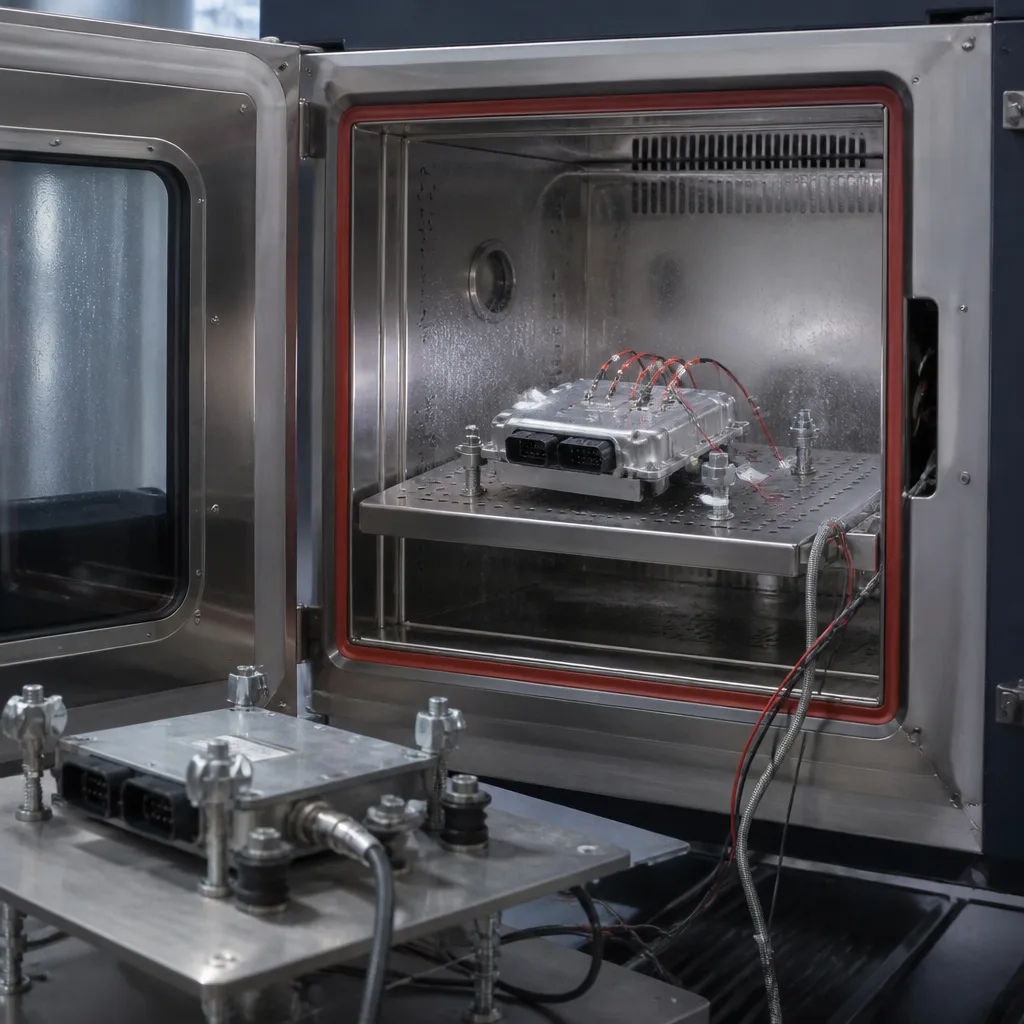
The “Fiat CS-00056 Environmental Specification for Electrical/Electronic Components” standard, developed by Fiat Chrysler Automobiles (FCA) (now Stellantis), an Italian-American automotive company, describes the minimum environmental stress-focused qualification and verification requirements for all electrical and electronic components used in vehicles. This standard ensures that electronic devices (such as sensors, control units, actuators, and lighting modules) can withstand the harsh conditions they will encounter in real-world automotive use, such as extreme temperatures, vibrations, humidity, salt exposure, and mechanical shocks.
The main purpose of this standard is as follows:
This is a mandatory requirement for suppliers providing electronic components to Stellantis brands.
The Fiat CS-00056 standard covers a wide range of environmental and durability tests, including the following:
Tests are generally compliant with international standards such as “ISO 16750 Road vehicles – Environmental conditions and tests for electrical and electronic equipment”, “IEC 60068 Environmental tests” and similar standards. Requirements vary depending on component classification and installation area.
Automotive suppliers must test their components according to this Fiat CS-00056 standard and submit test reports for approval. Independent testing laboratories also offer testing services that comply with this standard. Furthermore, this standard is referenced alongside other original equipment manufacturer standards.
In short, the Fiat CS-00056 standard is a global engineering standard developed for the qualification and verification of automotive electrical and electronic components. This specification defines the environmental durability, reliability, and functional performance requirements that electrical and electronic components must meet throughout a vehicle's lifespan.
The primary goal of the Fiat CS-00056 standard is to ensure that automotive electronic components can withstand real-world operating conditions throughout the vehicle's design life. This standard specifies qualification tests for modules and devices exposed to environmental stresses such as:
The aim of this standard is to verify that electrical and electronic components meet environmental and other quality, reliability, and functional requirements for the specified vehicle design life.
This standard applies to automotive electrical and electronic systems used in vehicle programs and includes the following:
This standard focuses on E2 and E3 device classifications rather than simple electromechanical parts.
One of the most important sections of the Fiat CS-00056 standard is the classification methodology for automotive components:
These classifications determine which environmental tests and endurance cycles should be applied.
Fiat CS-00056 divides automotive environmental tests into four main categories:
This standard defines long-term reliability expectations based on real customer usage patterns. Typical objectives include:
The specifications also anticipate the following:
For example, a vehicle with a lifespan of 10 years / 150.000 miles might experience the following:
The Fiat CS-00056 standard is widely used, particularly in conjunction with the Fiat CS-00054 (Electrical and EMC performance requirements) and Fiat SD-12009 (Test selection matrix) standards.
Modern vehicles contain hundreds of electronic modules that must operate reliably under challenging environmental conditions. A malfunction in an electronic control unit, sensor, or actuator can affect:
The Fiat CS-00056 standard provides a standardized framework to reduce field failures and improve:
As automotive systems become increasingly reliant on electronic and software integration, this standard is particularly important.
In conclusion, the Fiat CS-00056 standard is a critical automotive environmental qualification standard for electrical and electronic components. It establishes rigorous testing and verification procedures to ensure automotive electronics can withstand the thermal, mechanical, climatic, and chemical stresses encountered throughout the vehicle's lifecycle. By defining clear reliability expectations and environmental testing methods, this standard helps manufacturers and suppliers deliver robust, durable, and safe automotive electronic systems for global vehicle platforms.
For many years, our organization, with its competent and experienced staff, has been understanding the needs of its customers, providing the advanced testing services they require, and assisting them in the establishment, implementation, and improvement of management systems. Within this framework, we also provide testing services in accordance with the Fiat CS-00056 standard.
To get an appointment, to get more detailed information or to request an evaluation, you can ask us to fill in our form and reach you.

