

The standard “ASTM D6476-12 Standard Test Method for Determining Dynamic Air Permeability of Inflatable Restraint Fabrics” developed by the American Society for Testing and Materials (ASTM) describes a test method for determining the high-pressure permeability of permeable, uncoated fabrics typically used for inflatable restraints under dynamic airflow conditions. “ASTM D737-04 Standard Test Method for Air Permeability of Textile Fabrics” applies to determining the air permeability of inflatable restraint fabrics under low-pressure conditions in steady-state airflow.
Procedures and apparatus other than those specified in this test method may be used if specific deviations from the accepted standard are agreed upon in the purchaser and supplier's report.
For the purposes of this standard, the terms and definitions defined in “ASTM D6799-13 Standard Terminology for Inflatable Restraints” apply. The following terms are relevant to this standard: mean dynamic air permeability, dynamic air permeability, cushion, exponent of dynamic air permeability, inflatable restraint, inflator, modulus, standard atmosphere for testing textiles. Meanwhile, all other terms related to textiles are applicable to “ASTM D123-19 Standard Terminology for Textiles”.
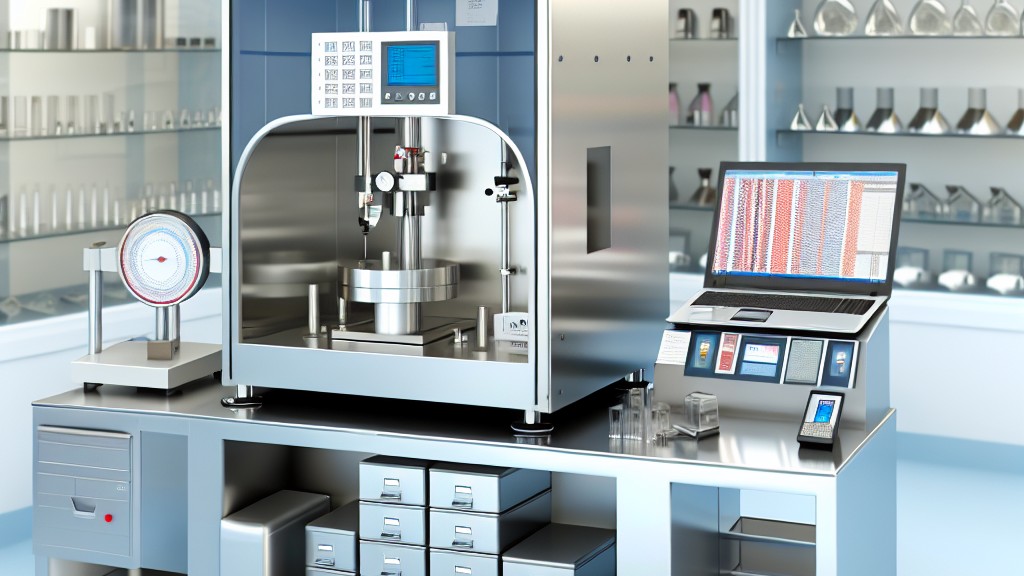
When testing, a volume of dried compressed air of known volume and pressure is passed through a fabric sample to a standard atmosphere to test textiles. During the portion of the test cycle that simulates airbag inflation, the pressure difference across the sample increases to a value corresponding to a peak inflation pressure. During the portion of the test cycle that simulates airbag deflation, the pressure difference decreases to 0 kPa as the air passes through the sample. The time to reach maximum pressure and the time for the pressure to drop correspond to similar times during the deployment of an airbag. Software algorithms, an integral part of the tester, correct the pressure data and determine the average dynamic air permeability and dynamic air permeability values.
For issues related to batch acceptance of commercial shipments and compliance with specifications or other standards, refer to the relevant section of this test method.
This test method is useful in the selection and design validation of permeable, non-coverable fabrics used in inflatable restraint cushions. The dynamic conditions and higher pressure differences of this test method can better simulate the inflation and deflation cycle of an airbag module during deployment than the steady-state conditions of “ASTM D737-04 Standard Test Method for Air Permeability of Textile Fabrics”.
Only uncoated, permeable fabrics should be used in testing. Use of coated fabrics may give invalid results and potentially damage the test device. Within the variance limits stated in this standard, this test method is useful for design verification and may be suitable for inclusion in a material specification or for batch acceptance testing of commercial shipments. Caution is advised with fabrics of very low permeability or in test heads larger than 200 cm3, as the interlaboratory precision presented may be as high as 21 percent.
This test method can be used for materials other than inflatable restraint fabrics that experience dynamic air permeation during sudden bursts. In such cases, the physical apparatus or software algorithms may require modification to ensure suitability for use.
Due to the split-second time interval for testing, pressure-time data is subject to recording anomalies and electronic noise. Before data analysis, the data must be digitally filtered to obtain the underlying smooth pressure curve. The software in the instrument includes a reliable algorithm for both smoothing the curve and determining the exponent of air permeability.
The size of the test head or the permeability measurement range is usually selected to correspond to the fabric sample to be tested. The sensitivity of this test method depends largely on the size of the test head. The sensitivity of data collected using one test head should be used to estimate the sensitivity of data collected using a different test head, even on the same instrument.
It is mandatory that fabric samples are conditioned and tested in standard atmosphere for testing textiles.
Our organization has a strong staff that closely follows the developments in the world in the field of science and technology and constantly improves itself. Among the numerous test, measurement, analysis and evaluation studies provided for businesses in various sectors, there are also test services in accordance with the standard "ASTM D6476-12 Standard test method for determining the dynamic air permeability of inflatable restraint fabrics".
To get an appointment, to get more detailed information or to request an evaluation, you can ask us to fill in our form and reach you.

