

Developed by BMW, a leading German multinational company in the automotive sector, the “BMW PR 368 Seam Strength for Textiles” standard describes a specific test method for evaluating the seam strength of textiles used in vehicle interiors and components. This standard forms part of BMW’s broader interior material and component testing requirements, ensuring that fabrics, upholstery, seat covers, trim panels, and other stitched textile elements meet rigorous durability, safety, and quality criteria for high-end automotive applications.
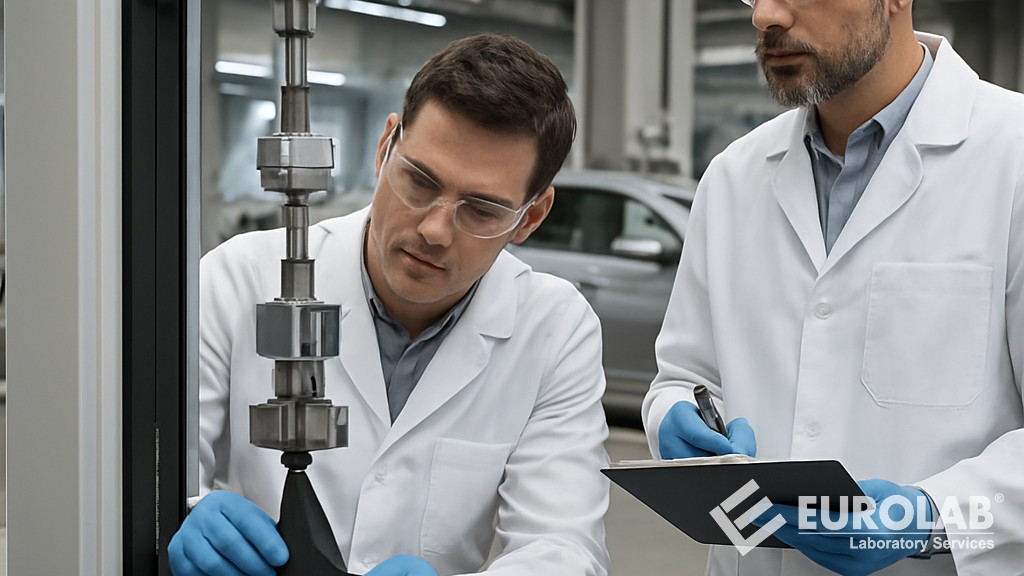
The BMW PR 368 standard focuses primarily on seam strength in textiles. It includes test methods to measure how well seams in automotive fabrics can withstand forces such as tensile, tearing, or repeated strain. This method is critical in the following areas:
The key considerations typically evaluated under such standards include:
This standard is generally considered together with the BMW PR 372 standard. This standard includes various sub-sections for the hardness, rigidity, and static/dynamic loading of materials. These tests help suppliers ensure compliance before parts are approved for use in BMW vehicles.
In the automotive industry, weak seams can lead to the following:
The BMW PR 368 standard contributes to the company's high standards for material quality, helping to protect its brand reputation and meet regulatory and industry expectations for passenger safety and durability.
Seam strength is extremely important in textiles used in the automotive industry because automotive textiles are subjected to much higher mechanical, thermal, and long-term durability stresses than typical clothing or home textiles. Weak seams can lead to product failure, safety risks, warranty claims, and even non-compliance with legal regulations.
The main reasons why seam strength is so important in automotive applications are as follows:
Many original equipment manufacturers have specific seam fatigue and seam strength tests.
Seam strength is routinely measured (e.g., using ASTM D1683, ISO 13935, or similar hold/strip methods) or forms part of production part approval process applications.
In conclusion, weak seams in a car can directly affect safety (airbags, seat belts), durability over 150.000-300.000 km / 10-15 years, and brand reputation. Therefore, automotive textile engineers pay close attention to seam design, yarn selection, seam type and density, seam allowance, and seam reinforcement techniques.
Automotive textiles require significantly higher sewing performance than almost any other textile application.
For many years, our organization, with its competent and experienced team, has been understanding the needs of its clients, providing the advanced testing services they require, and assisting them in the establishment, implementation, and improvement of management systems. Within this framework, we also provide testing services in accordance with the BMW PR 368 standard.
To get an appointment, to get more detailed information or to request an evaluation, you can ask us to fill in our form and reach you.

