

The “Renault 32-02-832 Air Conditioning Filter” standard, developed by the French automobile company Renault, describes the requirements for filtering cartridges or filters (filtering cartridge + housing) intended to filter particles and gases in the air before they enter the passenger compartment.
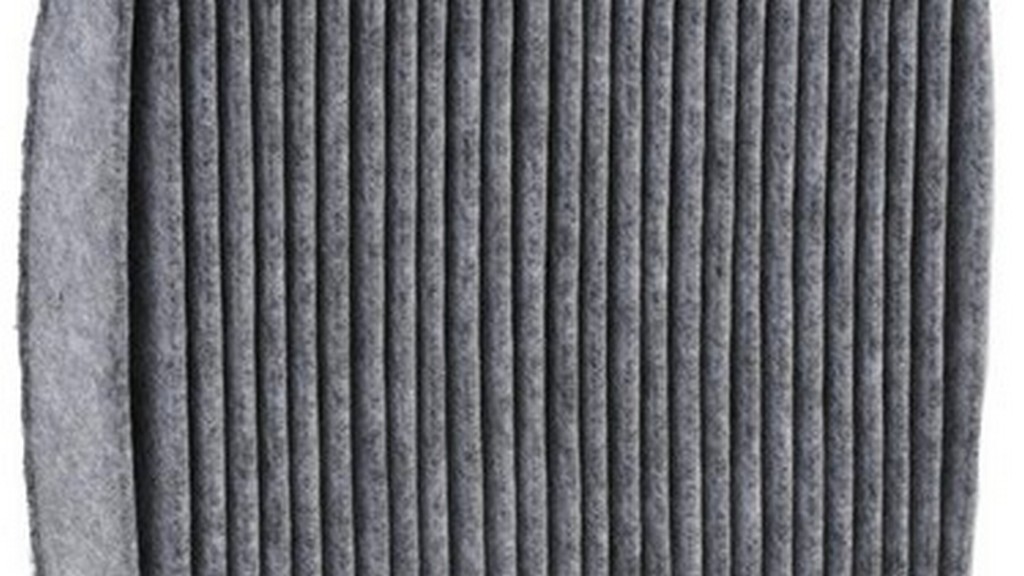
Material selection is left to the discretion of the supplier company, provided that the filters meet the following conditions:
The flammability test is carried out on a new filter in accordance with the test method of the standard “Renault D45 1333 Cabin interior materials - Horizontal flammability”. The requirements of the FMVSS 302 standard must be met. In addition, the burning rate must not exceed 100 mm/min. The tendency for volatile products to deposit on the glass (fogging) is assessed in accordance with the test method of the standard Renault D45 1727. This is determined by qualitative analysis of the bed and, where appropriate, by quantitative analysis. There must be no solid or liquid residue such as film or droplets, a light reflection of at least 85 percent and a standard deviation of less than 5 percent.
Requirements for odors and volatile organic compounds (VOCs) apply to:
Material emissions must meet the requirements of the final index of the Renault 37-00-081 standard “Material emissions and cabin parts”.
Specific tests on parts or rubber parts (gaskets, elastic rings and similar) are carried out in accordance with the test method of the Renault D47 1100 standard, with 2 hours of ageing in ozone with a concentration of 3 cm3/m48. The expectation is that there will be no visible damage.
In terms of hydrophobic environment, the media material is expected to be hydrophobic.
The microbiological neutrality of the filter is assessed according to the Renault NF EN ISO 846 standard test method on the following samples:
For fungi, the density is expected to be below 1, and for bacteria, no bacterial growth is expected in the agar-agar around the sample.
Metallic parts must meet the requirements of the Renault 47-01-000 standard.
Filters must be free of defects such as material loss, impact marks, kinks or permanent deformation. In addition, filters must have a filter medium free of dirt or blocking products, such as silicone, and adequate distribution of kinks. Sealing areas must be free of injection points (injected organic material particles) or burrs.
Specific characteristics are dependent on the filter’s service life and must be specified on the functional drawing or system drawing. All functional tests described in this standard are performed according to the test description. Final test reports are performed at an external reference laboratory recommended by the Renault corporate cabin air filtration specialist upon written request.
The test procedures described in this standard include:
The functional characteristics of the filter are determined on a test bench. The purpose of these tests is to determine the resistance to air flow (pressure drop), gravimetric efficiency, fractional efficiency and clogging capacity of particulate and combined filters.
Other (bench) testing procedures described in the standard include:
All tests are performed according to the following standards:
The air at the filter inlet must be 23 degrees plus/minus 2 degrees and 50 percent plus/minus 3 percent relative humidity. Temperature, relative humidity and ambient temperature are stated in each test report.
All efficiency or capacity tests begin with:
Tests shall be performed on new, old or clogged filters as specified in each case.
Among the numerous tests, measurements, analyses and evaluation studies that our organization has carried out for businesses in various sectors, it also provides testing services defined in the “Renault 32-02-832 Air Conditioning Filter” standard with its trained and expert staff and advanced technological equipment.
To get an appointment, to get more detailed information or to request an evaluation, you can ask us to fill in our form and reach you.

