

The GM9125P standard, developed by the General Motors company, describes laboratory procedures used to determine the resistance of automotive materials to degradation when exposed to artificial light sources. This standard covers exposures to sunlight carbon arc, xenon arc, fluorescent ultraviolet light and concentrator and twin carbon arc. The material properties determine which light source will be used.
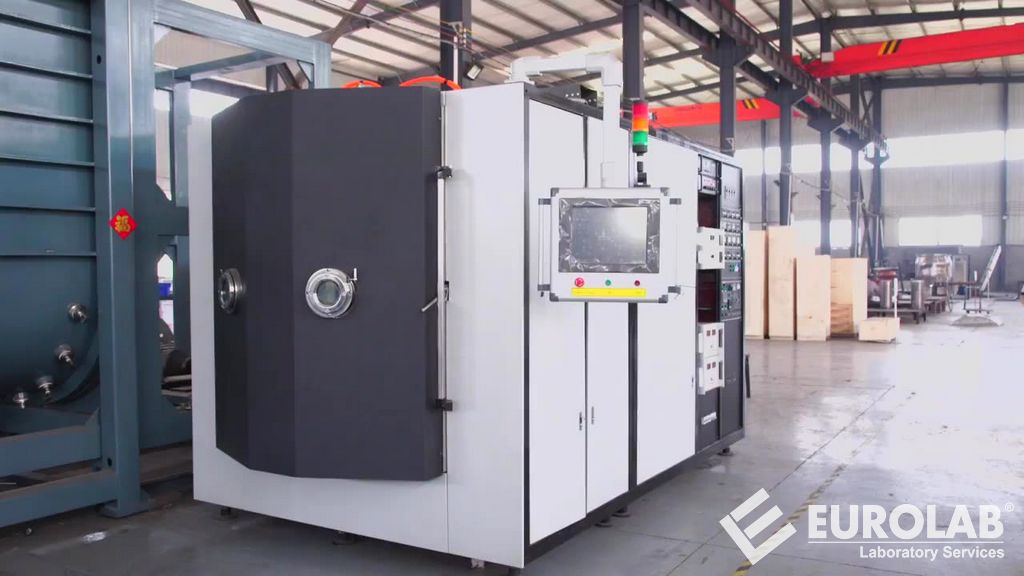
The sunlight carbon arc weather instrument is operated without water spray at an air temperature of 25 plus/minus 5 degrees, measured 60 plus/minus 2 mm outside the sample shelf and in the middle of the upper and lower surfaces. The temperature sensing element is protected from radiation. Additional information on the operation of this device is contained in the ASTN G53 standard.
When using a controlled irradiation water-cooled xenon-arc device, the SAE J1885 standard is complied with and the accelerated exposure of automotive interior trim components is tested.
In a fluorescent ultraviolet light and condensation device, samples are applied to 75x300 mm cold-rolled steel panels painted white. The panels are painted using production baking programs and production primers. Samples are bonded using either production adhesives, production fasteners, or enameled copper wires. Test samples are mounted to be 75x75 mm and to simulate production methods. All holes or edges in the panels are sealed to prevent contamination of the test samples. All test samples and test apparatus are inspected according to the ASTM G53 standard.
When using a twin carbon arc weatherproofing device, the arc current indicated on the control panel ammeter should be between 15-17 volts. Allow the device to run for 15-20 minutes before adjusting the amperage. Each arc is equipped with a voltmeter and ammeter to indicate the electrical status of the arc. When the ammeter reads 15 amps, the voltage across the arc should be between 140-145 volts and the power line voltage should be between 208-250 volts. Carbons are replaced after each daily cycle using the length specified on the carbon instruction plate.
Among the numerous test, measurement, analysis and evaluation studies it provides for businesses in various sectors, our organization also provides testing services for laboratory rapid exposure of automotive materials within the scope of the GM9125P standard, with its trained and expert staff and advanced technological equipment.
To get an appointment, to get more detailed information or to request an evaluation, you can ask us to fill in our form and reach you.

