

Developed by BMW, a multinational vehicle manufacturer, the “BMW AA 0412 Leather Abrasion Test by Ball Plate Method” standard specifically addresses abrasion resistance and focuses on how well interior or exterior automotive materials, coatings, textiles, leather, plastics, or painted surfaces withstand abrasive wear over time. It is typically applied during the quality assurance of supplier components to ensure long-term durability in real-world conditions such as repeated contact, usage-related friction (e.g., seats, door panels, armrests, upholstery), or environmental exposure in BMW vehicles.
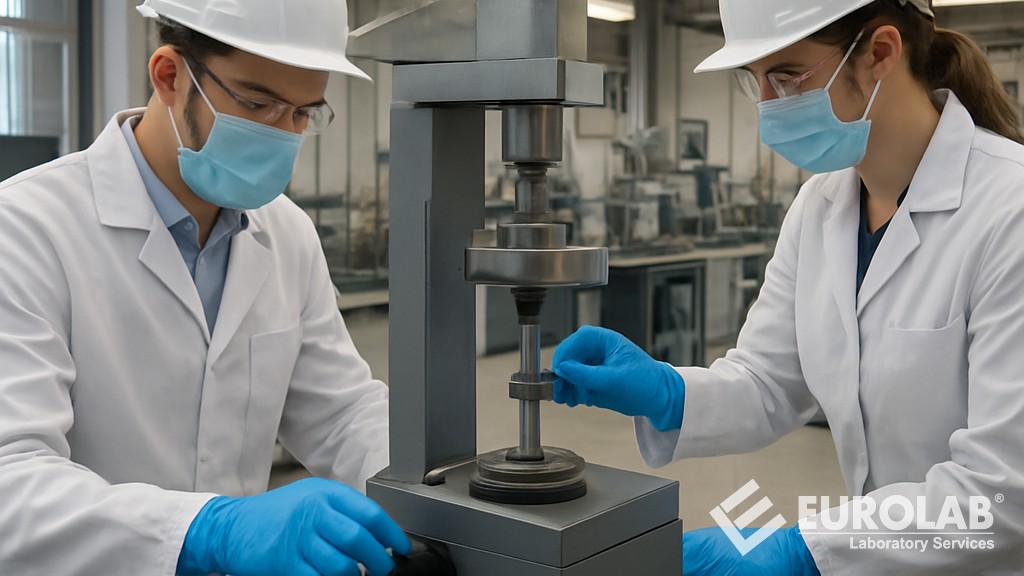
Testing typically involves methods similar to established wear protocols (e.g., Martindale, Taber abrasive devices, or variations of other cyclic friction/abrasion assemblies) where samples are subjected to controlled mechanical wear cycles. Performance is evaluated according to the following criteria:
The results help determine whether a material meets BMW's stringent requirements for superior feel, longevity, and resistance to daily wear and tear in luxury vehicles.
BMW maintains a comprehensive catalog of proprietary test methods (commonly referred to as the BMW AA series) for non-metallic materials, coatings, adhesives, and interior and exterior upholstery. The BMW AA 0412 standard is included alongside the following related standards:
These are frequently referenced by independent testing laboratories that conduct qualification and verification tests for BMW suppliers worldwide.
In the automotive industry, especially for a brand like BMW known for its high-quality interiors, wear resistance directly impacts customer satisfaction, warranty claims, and brand reputation. Materials that fail this standard level of inspection can lead to visible deterioration (scratches, shiny spots, or worn areas) much sooner than expected in premium vehicles.
Suppliers of seats, instrument panels, door panels, headliners or leather must demonstrate compliance with these and similar BMW standards before the parts are approved for production.
This standard reflects BMW’s continued commitment to durable, high-quality materials that maintain their appearance and functionality throughout their long service life.
The BMW AA 0412 standard is necessary because BMW is positioned as a premium luxury brand where long-term material durability and perceived quality are fundamental to customer satisfaction, brand reputation, and competitive differentiation in the high-end automotive market.
The main reasons why this standard is considered important are as follows:
This standard uses accelerated wear cycles (typically Martindale-style friction or similar) to simulate tens of thousands of these interactions in a short lab period, predicting the appearance after years of ownership.
In conclusion, the BMW AA 0412 standard is not merely a technical approval procedure, but a conscious engineering choice to protect BMW's premium position. This choice aims to ensure interiors age gracefully over time and reduce aftermarket dissatisfaction. Without such standards, even the best designs can encounter disappointing durability issues in the real world, damaging trust in the brand.
For many years, our organization, with its competent and experienced team, has been understanding the needs of its clients, providing the advanced testing services they require, and assisting them in the establishment, implementation, and improvement of management systems. Within this framework, we also provide testing services in accordance with the BMW AA 0412 standard.
To get an appointment, to get more detailed information or to request an evaluation, you can ask us to fill in our form and reach you.

