

The Volvo VCS 1027, 2739 standard designed by Volvo, a Swedish multinational luxury vehicle manufacturer headquartered in Gothenburg, describes the requirements for the determination of formaldehyde emission from vehicle interior components.
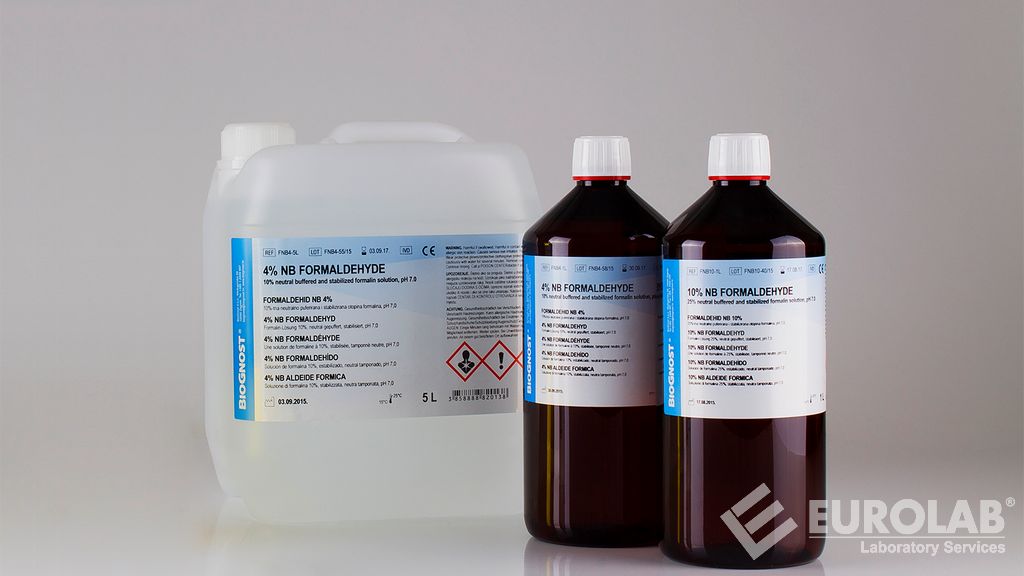
Formaldehyde is toxic and has been classified as a carcinogen since 2016. Plastic-based materials containing formaldehyde as a synthesis component can produce gas under certain conditions. Other carbonyl emissions, such as short-chain aldehydes and ketones, are also of potential concern. For this reason, various standards and test methods have been developed for their quantitative determination. To comply with occupational health and safety requirements, the automotive industry must have tests that include the analysis of these carbonyl compounds.
Essentially, in these tests, formaldehyde or other airborne carbonyl compounds are chemically absorbed using standard cartridges, and analyses are performed using high-performance liquid chromatography (HPLC) and ultraviolet (UV) detection methods.
Formaldehyde and benzene are released from various sources in vehicles. The presence of these compounds in vehicles is attributed to their widespread use in different vehicle parts. In general, formaldehyde is used in car carpets, leather and paints, causing outgassing and high concentrations in indoor air. In addition, formaldehyde is used as an adhesive and binder in the production of synthetic fiber, chipboard, plastic and textile finishing processes commonly found in vehicles.
It is known that the new car smell, which used to be very attractive, is now the result of chemicals emitted from the countless parts and components that make up a car's interior. From the instrument panel to interior panels and from seat covers to upholstery materials, most automotive interior components are composed of plastics and other materials that contain varying amounts of volatile organic compounds and other chemicals. Unfortunately, concentrations of chemicals emitted from these components within the confined space of a car's passenger compartment are now viewed as potentially harmful to occupants, and limits are being placed on acceptable chemical concentrations in automobiles.
Among the numerous test, measurement, analysis and evaluation studies it provides for businesses in various sectors, our organization also provides test services for the determination of formaldehyde emission from in-vehicle components, within the scope of Volvo VCS 1027, 2739 standard, with its trained and expert staff and advanced technological equipment.
To get an appointment, to get more detailed information or to request an evaluation, you can ask us to fill in our form and reach you.

