

Developed by BMW, a multinational vehicle manufacturer, the “BMW AA P 296 Abrex test device for abrasion resistance” standard is a technical specification designed to evaluate the abrasion resistance of materials used specifically in automotive interiors. This standard focuses on surfaces such as plastics, elastomers, foils, coatings, and other upholstery components that are subjected to repeated mechanical contact, such as from hands, clothing, cleaning, or environmental exposure.
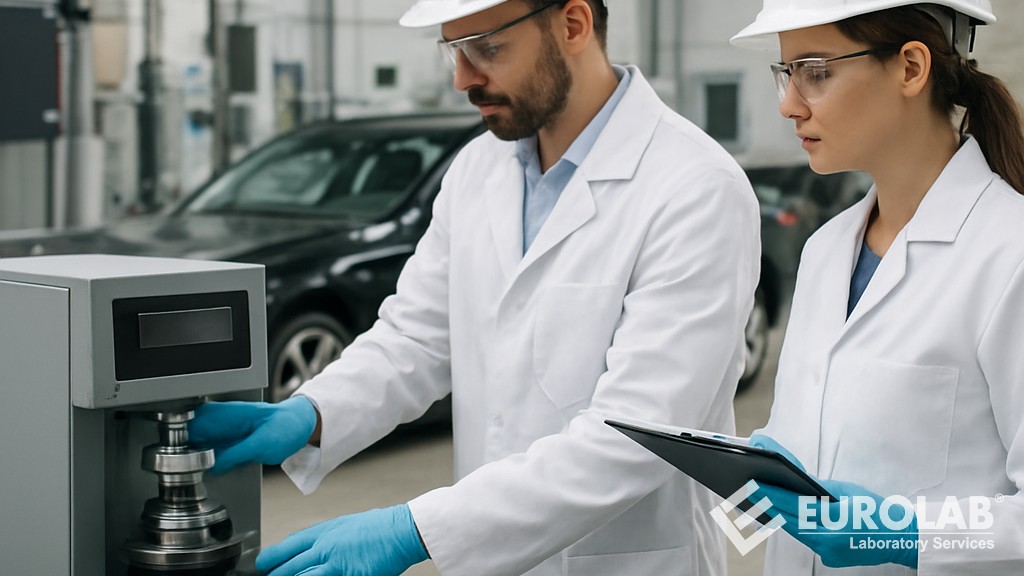
This standard ensures that interior materials maintain their appearance, functionality, and durability throughout the vehicle's lifespan. Wear can lead to visible abrasion, loss of gloss, discoloration, or surface damage. Therefore, the BMW AAP 296 standard helps suppliers and manufacturers qualify materials that meet BMW's quality requirements for premium interiors.
This standard is generally applied in the following areas:
The essence of the BMW AAP 296 standard is the Abrex test (a standardized chemical-mechanical wear simulator that mimics human hand/fingertip friction). The Abrex device applies controlled wear cycles using specific environments to simulate real-world wear. The key features of the test method described in this standard are:
This test is often listed alongside or as a replacement for older BMW specifications such as BMW PA P 315 (the previous Abrex-based etching method).
The BMW AAP 296 standard is part of BMW's broader portfolio of materials testing. Relevant BMW standards include:
Numerous independent testing laboratories are accredited to perform the BMW AAP 296 standard. This standard reflects BMW's commitment to long-term material durability in high-contact interiors and contributes to customer satisfaction and a reduction in warranty claims due to cosmetic wear.
Essentially, the Abrex test device uses a linear or oscillating abrasive motion with standardized pads or textiles. The abrasive medium is usually specialized fabrics (e.g., clothing or skin-mimicking) impregnated with test agents (oils, sweat simulators, sunscreen, or cleaning agents). Controlled force typically simulates finger pressure, with speed and cycle counts ranging from thousands of back-and-forth movements. Variants such as dry abrasion, wet/chemical abrasion, or combined chemical-mechanical abrasion (e.g., sweaty hands on a gear lever or doorknob) are used to simulate real-world usage conditions. Post-test visual changes (reduction in gloss, scratching, grayscale, or color change with Delta E), weight loss, or functional integrity are assessed.
This method has been standardized to produce repeatable and reproducible results, which are critical for supplier qualification and batch approval.
Typical applications of this standard in vehicles include:
This method helps prevent premature wear that could affect the overall feel, aesthetics, or safety (e.g., fading of markings on controls).
Traditional tests (Martindale, Taber) use harsh, homogeneous abrasion that doesn't simulate human interaction. Abrex's soft, variable pressure + chemical simulation allows for a better prediction of real-world durability. Therefore, it has been accepted as the world standard for dynamic scratch/abrasion resistance in automotive specifications. This method is referenced by companies such as Ford and Daimler, as well as the DIN EN 60068-2-70 standard.
BMW's rigorous standards minimize warranty claims due to surface degradation and meet luxury expectations. Suppliers must pass Abrex-based tests for part approval (typically according to BMW AA P 296 or BMW GS 97045 standards). Non-conformity may require material reformulation or coating changes.
In conclusion, the BMW AAP 296 standard is necessary for several reasons, including BMW's premium brand positioning, real-world vehicle use, economic considerations, and overall quality assurance. This standard is considered important for the following reasons:
For many years, our organization, with its competent and experienced team, has been understanding the needs of its clients, providing the advanced testing services they require, and assisting them in the establishment, implementation, and improvement of management systems. Within this framework, we also provide testing services in accordance with the BMW AAP 296 standard.
To get an appointment, to get more detailed information or to request an evaluation, you can ask us to fill in our form and reach you.

