

The VW PV 3925 standard, developed by the Volkswagen automobile company, describes the requirements for the measurement of formaldehyde emissions, which are among polymer materials.
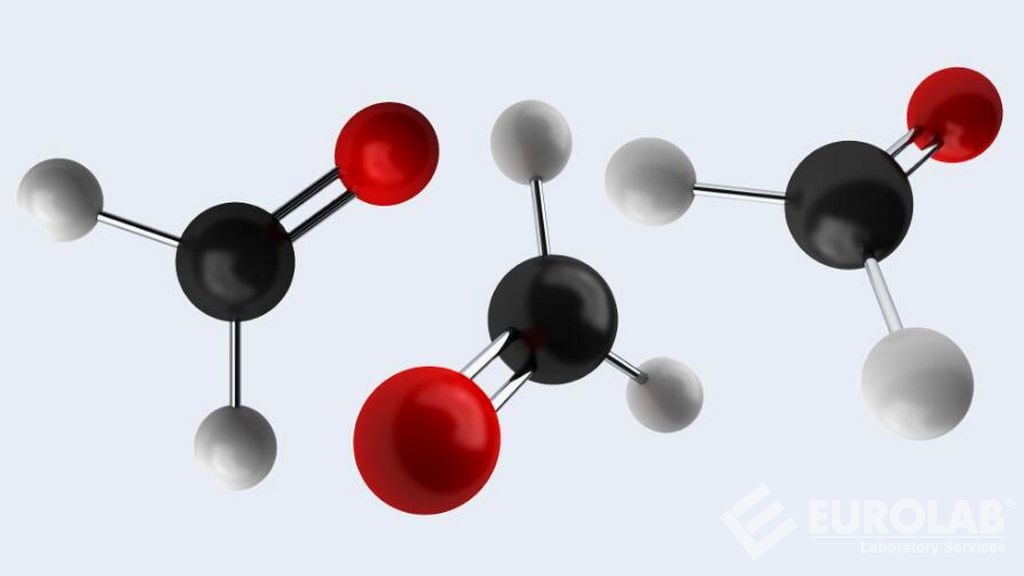
Exposure to formaldehyde is known to potentially seriously affect human health. With ubiquitous sources of formaldehyde indoors, formaldehyde concentrations in indoor air are generally higher than in outdoor air. As a result, industry and legal organizations are taking measures to minimize formaldehyde exposure in indoor environments. A critical step towards reducing formaldehyde exposure indoors is to assess the formaldehyde-emitting potential of building materials and indoor materials.
At this point, the materials used inside the vehicle are also considered a significant source of formaldehyde emissions. Formaldehyde, a colorless and strongly odorous gas, is a key component in the production of industrial resins. Phenol-formaldehyde resins were the first fully synthetic polymers to be commercialized. The resins are generally referred to as phenol-formaldehyde. Phenolic resin is a synthetic resin produced by reacting phenol with formaldehyde.
Formaldehyde is an important raw material in many industries, including the automotive industry, and is a versatile chemical. Formaldehyde, especially formaldehyde-based resins, is consumed after reacting with various chemicals. Especially formaldehyde-based resins have superior adhesive properties and have become an important input in materials used in the interior of vehicles. Formaldehyde-based thermosetting resins are widely used in the automobile and aircraft industries as a material with superior heat and chemical resistance. Formaldehyde is used from interior decorative surfaces to automobile engine filters and brake systems.
However, it has also been proven by the World Health Organization that formaldehyde causes blood cancer. Both the American Environmental Protection Agency (EPA) and the European Chemicals Agency (ECHA) have changed the formaldehyde classification from possible carcinogen to carcinogen for humans. Serious limitations have been imposed on the emissions of the finished products produced by the official institutions, both in the production facilities where formaldehyde is used and formaldehyde derivatives are used.
Among the numerous tests, measurements, analyses, and evaluations our organization provides for businesses in various sectors, we also offer services for measuring formaldehyde emissions from polymer materials under the VW PV 3925 standard, utilizing our trained and expert staff and advanced technological equipment.
To get an appointment, to get more detailed information or to request an evaluation, you can ask us to fill in our form and reach you.

