

The “Ford FLTM BI 161-01 Automotive Paint Scratch Resistance Determination” standard, developed by Ford Motor Company (Ford), describes a test method used to evaluate the scratch resistance of glossy automotive surfaces and coatings. This standard provides a controlled procedure to measure how well painted or coated surfaces resist minor surface damage resulting from daily contact, cleaning operations, and light abrasion. This method is widely applied to automotive exterior and interior components where maintaining appearance is critical.
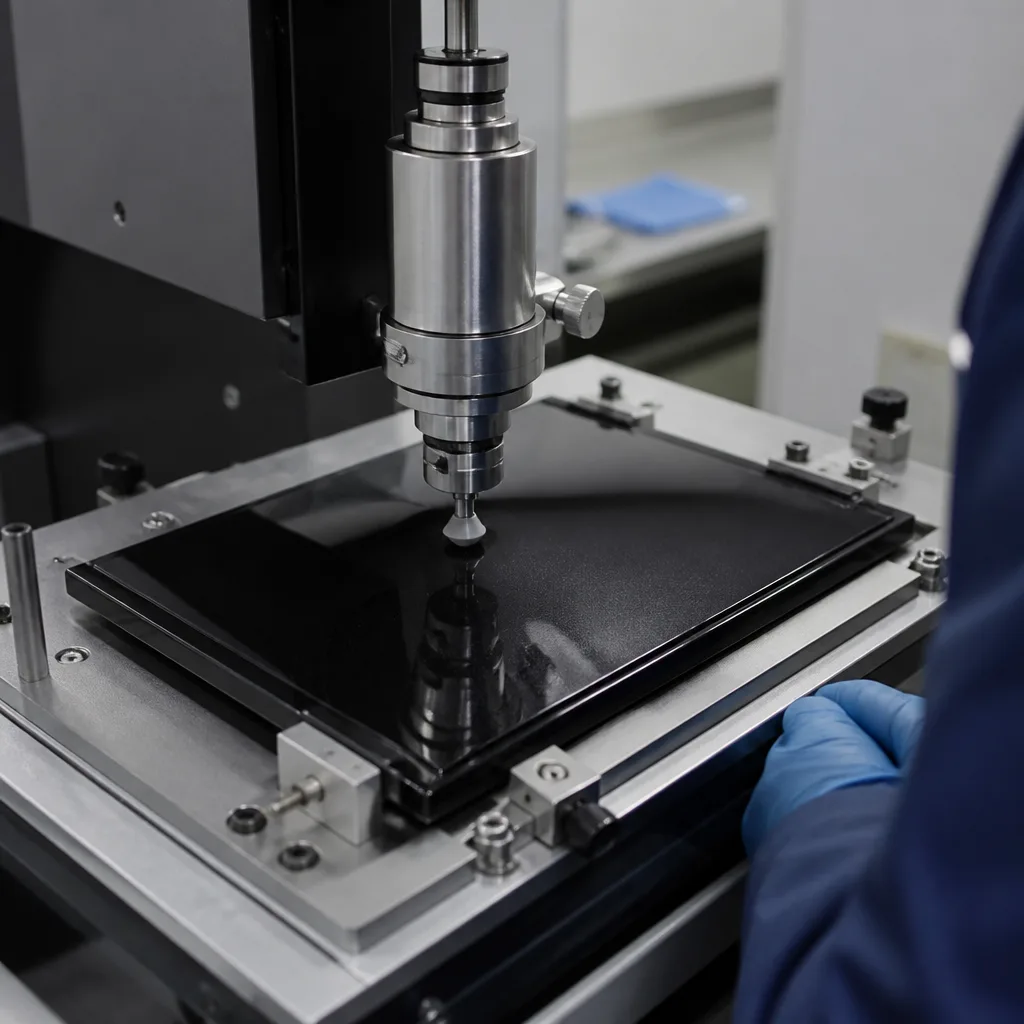
High-gloss coatings, increasingly used in modern vehicles, include the following:
Visible marks may form on these surfaces from fingernails, dust particles, cleaning cloths, car washes, or other light mechanical contact. The Ford FLTM BI 161-01 standard defines a repeatable method for evaluating resistance to such damage.
Scratch resistance refers to a coating's resistance to very shallow surface deformation and micro-scratches that affect appearance without penetrating deeply into the coating system. This standard distinguishes scratch damage from conventional scratching:
The described test method generally follows these steps:
This method is designed to provide reproducible results, allowing engineers to compare different coating formulations, clear coatings, and decorative surface systems.
The Ford FLTM BI 161-01 standard can be used for:
Several material properties affect test performance. For example,
Coatings with lower friction and improved elastic recovery generally exhibit better scratch resistance because they are less susceptible to permanent surface deformation.
This standard primarily helps identify the following types of malfunctions:
These defects may not compromise structural performance, but they can significantly reduce perceived vehicle quality.
The shift from automotive coatings to high-gloss surfaces reflects the increasing use of decorative glossy materials in modern vehicles.
Engineers use the Ford FLTM BI 161-01 standard in the following situations:
This method helps ensure that visible vehicle surfaces maintain their appearance throughout the vehicle's lifespan.
The Ford FLTM BI 161-01 standard is necessary because modern automotive surfaces are expected to maintain a superior appearance throughout the vehicle's lifespan. While many materials meet structural and functional requirements, visible cosmetic damage from daily use can also occur. This standard helps identify such weaknesses before a material is approved for production. Here are the main reasons why this standard is important:
Even minor imperfections can be quite visible on black or glossy surfaces. This standard ensures that these surfaces remain attractive even after repeated use and cleaning.
This standard provides a controlled method for reproducing this type of wear in a laboratory setting, allowing engineers to predict long-term outlook performance.
This standard provides objective data that helps engineers select materials with superior scratch resistance and appearance preservation.
It ensures consistent supplier quality: Different suppliers may provide materials that look the same when new but perform differently over time. This standard enables Ford to:
These materials offer a premium look but are particularly susceptible to visible scratches. The standard helps ensure that aesthetic improvements don't compromise durability.
In short, the components retain their original appearance for a longer portion of the vehicle's service life.
In conclusion, the Ford FLTM BI 161-01 standard is a significant durability and appearance performance standard that evaluates the resistance of high-gloss automotive surfaces to minor surface damage. This standard provides a repeatable assessment of scratch resistance, helping manufacturers select coatings and decorative materials that maintain gloss, minimize visible wear, and preserve customer-perceived quality throughout vehicle use.
For many years, our organization, with its competent and experienced staff, has been understanding the needs of its customers, providing the advanced testing services they require, and assisting them in the establishment, implementation, and improvement of management systems. Within this framework, we also provide testing services compliant with the Ford FLTM BI 161-01 standard.
To get an appointment, to get more detailed information or to request an evaluation, you can ask us to fill in our form and reach you.

